Glossary

What is Subluxation?

Subluxation is a partial dislocation of a joint, particularly in the spine, where vertebrae shift out of their normal position but don't fully dislocate. This misalignment can irritate nerves, disrupt communication between the brain and body. And contribute to pain, stiffness. Or reduced function. Chiropractors identify and correct subluxations to improve mobility and overall health.

Reviewed by ChiropractorNewnan.comSources reviewed: American Chiropractic Association, National Center for Biotechnology Information

Quick Facts About Subluxation

Category

Spinal joint misalignment

Used for

Identifying nerve interference and joint dysfunction

Common confusion

Often mistaken for a full dislocation or muscle strain

Also called

Vertebral subluxation, Joint misalignment

Often discussed with

Chiropractic Consultation and Diagnosis, Car Accident Injury Rehabilitation

Key Takeaways About Subluxation

Understanding Subluxation

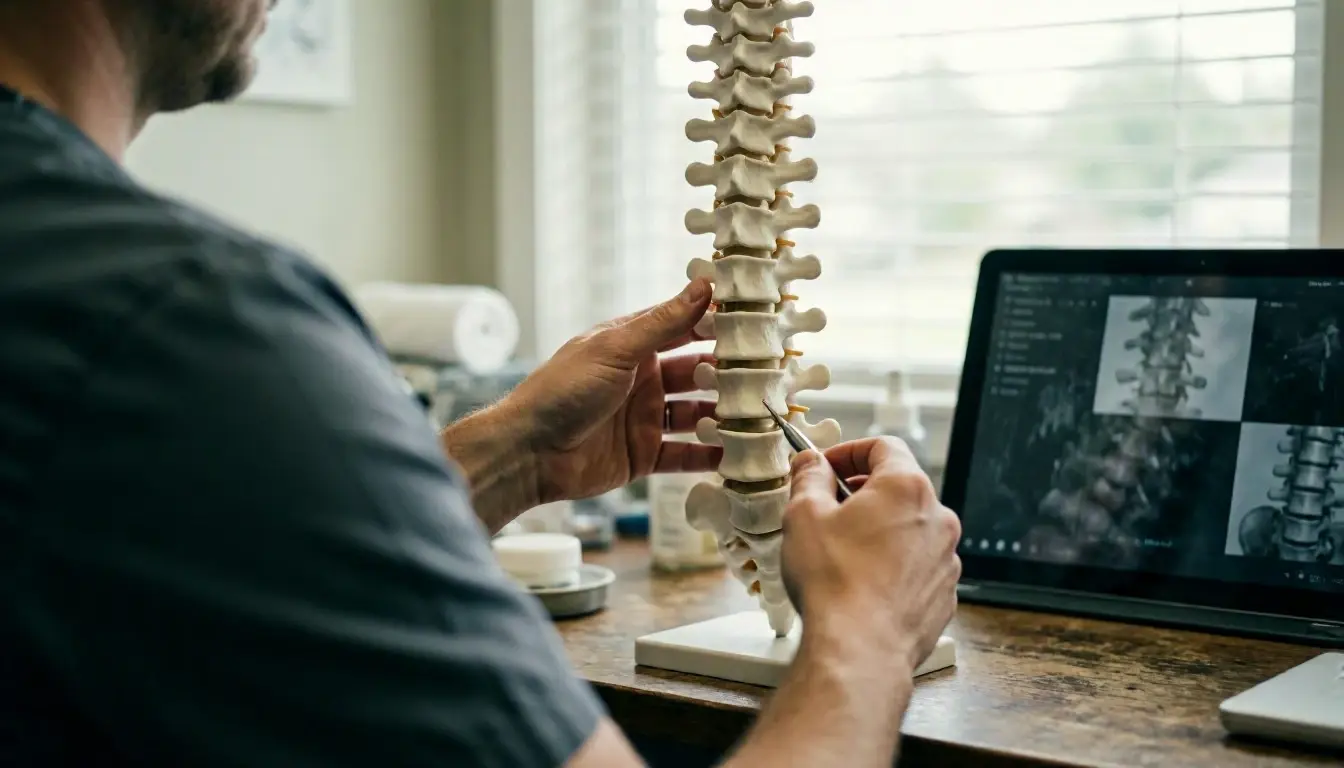
Subluxation in Chiropractor: Subluxation is a partial dislocation of a joint, particularly in the spine—visual guide

A subluxation is when a joint moves out of place. It doesn't fully dislocate (come apart). Most often, it happens in the spine.

Related glossary terms: Adjustment, Nerve Compression, Spinal Manipulation.

A subluxation is not a full dislocation. Bones don't separate all the way. But the joint shifts partly out of place.

This shift can press on nerves, muscles. And ligaments. That can cause pain, swelling. Or less movement. It can happen in any joint.

Chiropractors focus on spine subluxations. They can affect your nerves. That's why they matter so much.

Your nerves control everything in your body. They tell your muscles and organs what to do. If vertebrae (spine bones) shift, they can squeeze nerves.

This squeeze can block signals from your brain. That can cause pain, tingling. Or numbness. It might even cause stomach problems.

Subluxations can come from injuries or bad posture. They can also come from doing the same motion over and over. Or from wear and tear over time.

Some people don't feel pain right away. But they might still have less movement or feel tired.

How Subluxation Is Identified and Corrected?

Chiropractors check for subluxations. They look at your health history. They might use X-rays (pictures of bones).

They feel for sore spots and tight muscles. They check if you can move well. They look for uneven parts in your spine.

They test your nerves too. They check your reflexes (quick muscle reactions). They test your strength and feeling.

If they find a subluxation, they fix it. They use gentle pushes to move the bone back. This takes pressure off nerves.

It helps joints move better. It also helps your body heal itself.

Not all subluxations need treatment right away. But fixing them early can stop worse problems. A small neck shift might cause stiffness.

If you don't fix it, it could cause bad headaches. Or it might make your shoulders tight. Chiropractors often want to see you again.

They check your progress. They might adjust (fix) your spine again. They may also suggest stretches or exercises.

They might tell you how to sit or stand better. This helps keep your spine in place.

Why Subluxation Matters?

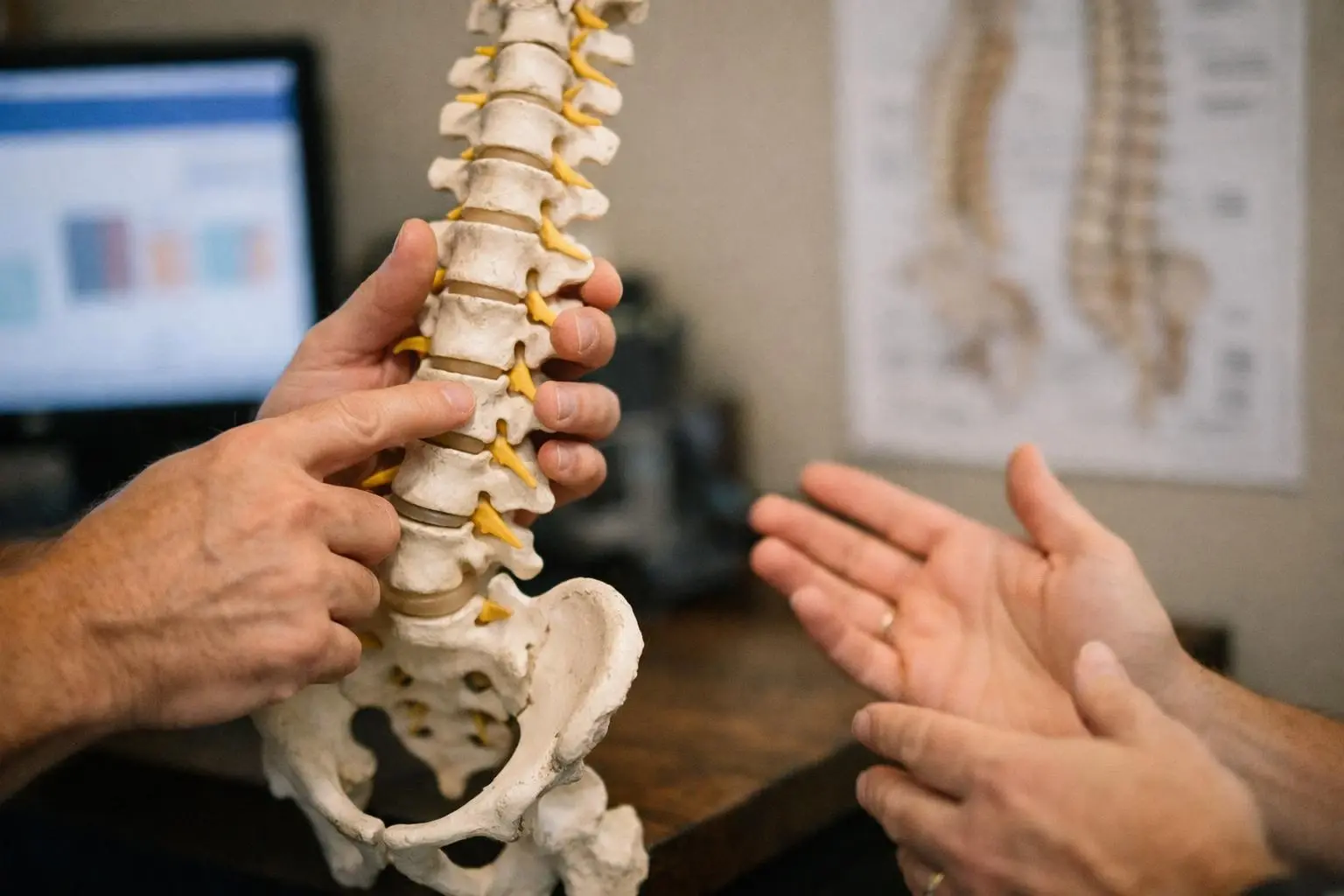
How Subluxation applies to Chiropractor services in Newnan, United States—practical illustration

Subluxations can hurt your body quietly. Even if you don't feel pain, nerves might not work right. That can cause tiredness or weak immunity (body defense).

Over time, untreated subluxations can cause joint damage. Muscles can get out of balance. You might get arthritis (joint pain).

Chiropractors fix subluxations. They help nerves send messages better. They improve movement. They help your body heal.

Athletes can get hurt by subluxations. A small back shift can make them less flexible. That makes sprains or strains more likely.

People who sit a lot can get subluxations too. Bad posture can cause tension headaches. It can also cause arm or wrist pain.

Fixing these shifts early can stop bigger problems. It helps keep you moving well.

When Subluxation Matters Most?

Subluxations matter after accidents. Car crashes or falls can jolt your spine. You might not feel pain right away.

But the force can move your vertebrae. That can cause problems later. If you feel stiff or can't move well, get checked.

If pain spreads, see a chiropractor. They can find subluxations. Fixing them early helps you heal faster.

People with arthritis or scoliosis (curved spine) need to watch for subluxations. Shifts can make symptoms worse. They can make joints wear out faster.

Chiropractic care can help. It keeps your spine aligned (in place). That takes stress off your body.

Kids and older adults should check for subluxations too. Their spines change as they grow or age. That makes shifts more likely.

In Newnan, GA, many people stay active. They work hard or play sports. That can cause subluxations.

Local chiropractors often treat car accident injuries. They also help with work injuries. Or problems from sitting too long.

Knowing about subluxations helps you know when to get help. Even small symptoms matter.

How to Evaluate Subluxation?

Related Concepts Compared

Subluxation vs. Dislocation

A dislocation involves a complete separation of joint surfaces. While a subluxation is only a partial shift that still allows some contact.

Subluxation vs. Sprain

A sprain affects ligaments around a joint, whereas a subluxation involves the joint itself moving out of position.

Subluxation vs. Herniated disc

A herniated disc involves damage to the cushion between vertebrae. While a subluxation refers to the vertebra shifting out of place.

Expert Note

Subluxations often develop gradually, making them easy to overlook until symptoms become persistent. Regular spinal checks can catch misalignments early, preventing minor issues from becoming chronic conditions.

Common Mistakes or Myths About Subluxation

  • Assuming subluxations always cause severe pain—many are subtle and go unnoticed.
  • Confusing subluxations with muscle strains, which involve soft tissue rather than joints.
  • Believing subluxations only occur after major injuries—poor posture can cause them too.
  • Thinking subluxations resolve on their own—some require chiropractic adjustment to correct.
  • Ignoring subluxations in children, who may develop them from falls or sports.

Subluxation in Practice: A Real-World Example

After a rear-end car accident, a driver in Newnan noticed stiffness in their neck but no severe pain. A chiropractor identified a subluxation in the upper spine, which was irritating nearby nerves. After a few adjustments, the stiffness improved. And the driver avoided long-term discomfort.

Sources & Further Reading on Subluxation

Related Services

Related Terms

Adjustment

Adjustment is a controlled, precise force applied by a chiropractor to a specific joint in the spine or other body part to restore proper movement, reduce pain. And improve function. Adjustments are often accompanied by a popping or cracking sound caused by gas releasing from the joint, which is normal and harmless.

Nerve Compression

Nerve Compression is a condition where a nerve is pressed, squeezed. Or pinched by surrounding tissues such as bones, muscles, tendons. Or discs. This pressure disrupts the nerve’s normal function, causing pain, numbness, tingling. Or weakness in the affected area. Nerve Compression often occurs in the spine, wrists. Or elbows and may result from injury, repetitive motion. Or poor posture.

Spinal Manipulation

Spinal Manipulation is a hands-on therapy technique used by chiropractors and other healthcare providers to apply controlled force to a joint in the spine. This force helps improve spinal motion, reduce pain. And restore function by relieving pressure on nerves, muscles. And discs. The procedure often produces a popping or cracking sound due to gas releasing from the joint.

Vertebra

Vertebra is one of the 33 individual bones that stack together to form the human spine. Each vertebra has a strong, bony body in front and a ring-like arch in back that protects the spinal cord. Vertebrae support body weight, allow movement. And shield nerves running through the spinal canal.

Manual Therapy

Manual Therapy is a hands-on treatment method used by healthcare providers, including chiropractors, to diagnose and treat musculoskeletal conditions. Manual Therapy involves skilled movements such as stretching, pressure. And joint mobilization to improve mobility, reduce pain. And restore function in muscles, joints. And soft tissues without surgery or medication.

ChiropractorNewnan.com

Have Questions About Subluxation?

Contact ChiropractorNewnan.com for practical guidance on Subluxation and related chiropractor work in Newnan.

+1 770-692-1041