
Prenatal Chiropractic Care: Questions, Safety, and Comfort Goals
Prenatal chiropractic care preparation starts with sharing pregnancy and health details, bringing questions, and defining comfort goals; Arrowhead Clinic Chiropractor Newnan uses that discussion to guide a careful appointment.
Book a Free Consultation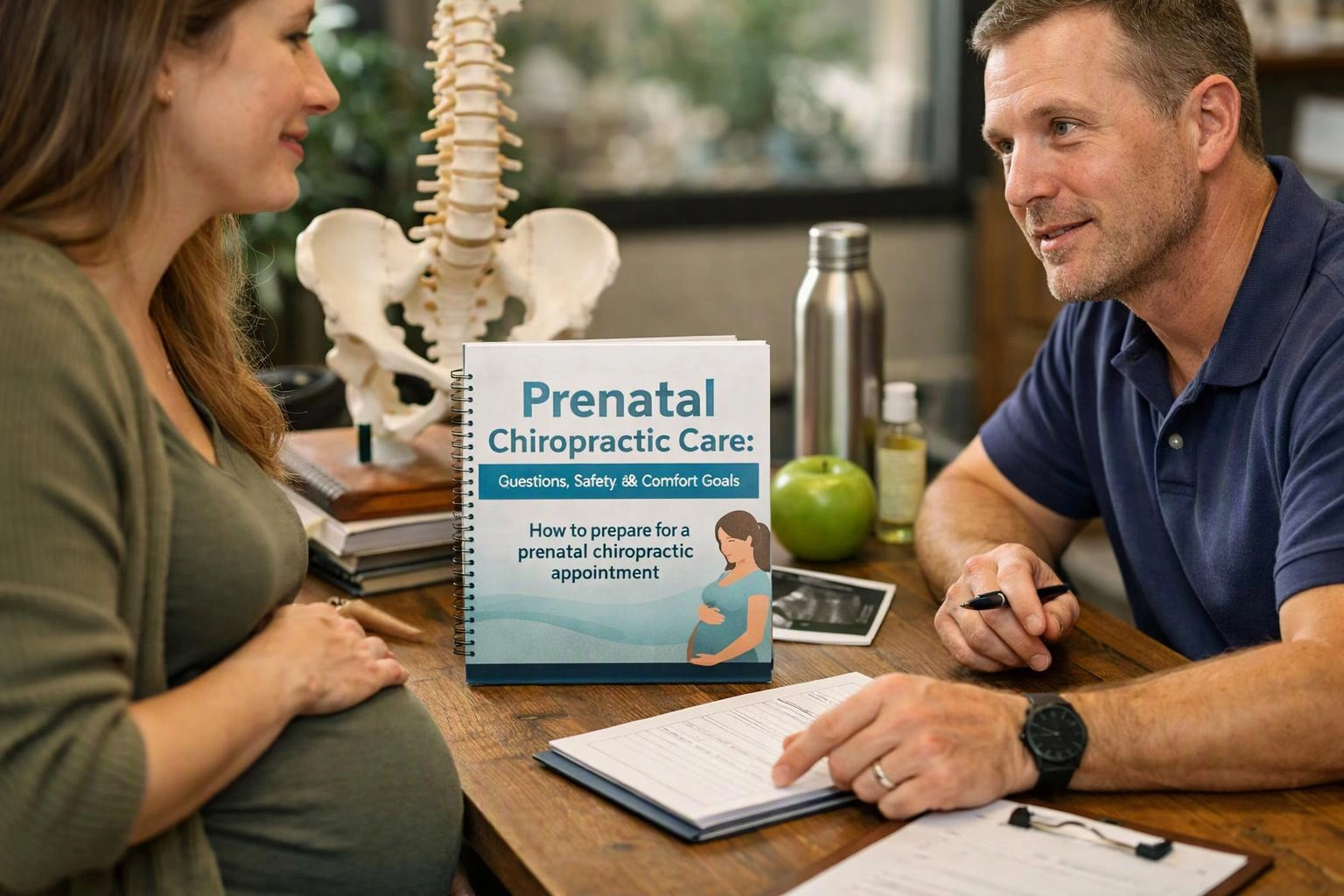
Prenatal chiropractic care supports preparation and comfort planning for pregnant patients seeking questions, safety guidance, and positioning considerations. Our team uses your health information and concerns to shape a thoughtful visit.
You can learn more about our Prenatal Chiropractic Care and use the appointment to discuss symptoms, movement tolerance, and safe positioning.
What Should You Prepare Before a Prenatal Chiropractic Appointment?
Preparing for a prenatal chiropractic appointment means gathering relevant health information, listing concerns, and identifying the movements or positions you want to discuss. Arrowhead Clinic Chiropractor Newnan uses that conversation to guide a careful, comfort-focused visit.
A short written note can help you remember details during the appointment. Bring questions about care, positioning, communication with your healthcare team, and what you want to feel more comfortable doing.
What Pregnancy Discomforts Should You Mention?
Pregnancy-related discomforts worth discussing include changes that affect movement, rest, posture, or daily activities. We use your description to understand what positions and movements require extra attention.
Clear symptom communication helps our team adjust the visit to your comfort and movement tolerance.
What Can Contribute to Pregnancy-Related Discomfort?
Pregnancy-related discomfort can develop as the body adapts to changes in posture, balance, joints, and daily movement demands. We consider these factors during the symptom review and positioning discussion.
Understanding possible contributors does not replace medical evaluation. New, severe, or concerning symptoms should be discussed with your prenatal care team.
How Do You Set Safe Comfort Goals for the Visit?
Prenatal chiropractic comfort goals should describe the activities, positions, or symptoms the patient wants to address without promising a particular treatment result. We use those goals to plan care around your needs and preferences.
Comfort goals may include turning in bed more comfortably, tolerating a work position, walking with less irritation, or discussing pelvic and back symptoms. Specific examples help us understand your movement tolerance.
Tell us when a position, contact, or movement feels uncomfortable. We respect treatment boundaries and use informed consent before care, so you can ask questions or pause the visit at any point.
What Safety Questions Should You Discuss Before Care?
Safety questions should cover pregnancy history, current medical concerns, medications, symptoms that need medical attention, and whether coordination with the prenatal care team is appropriate. We review this information before planning positioning or manual care.
Prenatal safety considerations can change with pregnancy stage, medical conditions, symptoms, and care instructions from your obstetric care team. Share warning signs or new concerns with the appropriate medical team before beginning chiropractic care.
Ask how the visit will be adapted, what communication you should use during care, and when referral coordination may be needed. Our team keeps the discussion focused on safe positioning, patient comfort, and informed consent.
How Should You Discuss Chiropractic Care With Your Prenatal Care Team?
Discussing chiropractic care with your obstetric care team, midwife, or obstetrician helps keep your care coordinated. Tell them why you are considering care and ask whether they have specific precautions for your pregnancy.
Your prenatal records and current medical information can help clarify relevant conditions, medications, and symptoms. Bring patient questions to both care settings so each team understands your goals and concerns.
Which Prevention Steps Can Support Pregnancy Comfort?
Pregnancy comfort prevention steps focus on manageable movement habits, supportive positions, and noticing symptom changes early. We can discuss how your daily activities relate to the concerns you bring to the visit.
These steps should remain comfortable and should not replace guidance from your prenatal care team.
How Is Prenatal Chiropractic Care Different From Prenatal Physical Therapy?
Prenatal chiropractic care and prenatal physical therapy can address overlapping comfort concerns, but chiropractic care commonly centers on manual assessment and treatment while physical therapy emphasizes movement training and therapeutic exercise.
The right approach depends on your goals, symptoms, medical needs, and care coordination. We can discuss how our approach fits with your broader prenatal plan.
| Care approach | Common focus | How it may support planning |
|---|---|---|
| Prenatal chiropractic care | Manual care and musculoskeletal assessment | Discusses comfort goals, positioning considerations, and symptom communication. |
| Prenatal physical therapy | Movement assessment and therapeutic exercise | Builds movement skills and exercise strategies that support daily function. |
| Coordinated care | Communication across the prenatal care team | Keeps questions, precautions, and treatment boundaries aligned with medical guidance. |
How We Plan a Comfortable Prenatal Chiropractic Visit
Arrowhead Clinic Chiropractor Newnan begins prenatal care planning by reviewing relevant health information, discussing comfort goals, and adapting positioning to the patient's needs. We keep patient communication central throughout the visit.
Our team considers pregnancy stage, symptoms, medical history, and care-team guidance before discussing manual care. We explain the plan, answer questions, and seek informed consent before proceeding.
Free Consultations give you an opportunity to discuss your concerns and determine whether the planned visit matches your comfort goals. Contact us to begin that conversation.
Questions About Preparing for Prenatal Chiropractic Care
What should I bring to a prenatal chiropractic appointment?
Arrowhead Clinic Chiropractor Newnan recommends bringing your pregnancy history, medical history, current medication information, symptom notes, and questions about comfort goals or positioning. Include relevant guidance from your prenatal care team.
Can I receive prenatal chiropractic care if I have a high-risk pregnancy?
Prenatal chiropractic care with a high-risk pregnancy requires discussion with your obstetric care team before care is planned. Share your pregnancy history, medical conditions, medications, and any precautions so treatment decisions can be coordinated appropriately.
Should I tell my obstetrician or midwife about chiropractic care?
Yes, tell your obstetrician or midwife about prenatal chiropractic care so your prenatal care team can consider your symptoms, medical history, and positioning needs. Care coordination supports clear communication across your health plan.
What should I do if I feel uncomfortable during a prenatal chiropractic visit?
Tell our team immediately if you feel uncomfortable during a prenatal chiropractic visit. We can pause, review your symptoms, change the positioning, or discuss whether referral coordination with your prenatal care team is appropriate.
Arrowhead Clinic Chiropractor Newnan is ready to discuss your pregnancy history, symptoms, comfort goals, and positioning considerations before care begins. Contact us to request a Free Consultation and plan a visit around clear communication and informed consent.
Get a Free Estimate