What should I expect after a chiropractic adjustment?
Improved mobility is a possible goal after an adjustment, but individual response differs. Mild muscle soreness or temporary fatigue can occur as your body responds. Follow the home exercises and guidance we provide, then report symptoms that worsen or concern you. Severe weakness, sudden numbness, or loss of bladder or bowel control needs urgent medical attention.
What does the provider look at first during an adjustment visit?
The health history and exam come first during an adjustment visit. We review symptoms, prior injuries, daily activity, movement, and warning signs. That information helps us decide whether an adjustment fits and whether X-rays are clinically indicated. Your findings guide the treatment plan.
What should be checked before an adjustment is scheduled?
The patient’s symptoms, injury history, health history, and exam findings should be checked first. We also look for signs that need medical evaluation outside chiropractic care. A clear review helps us select suitable care, explain possible limits, and set expectations for follow-up.
Who is a good fit for chiropractic adjustment care?
Patients with selected back, neck, joint, or movement concerns may fit adjustment care. The service may also support people recovering from auto accidents, work injuries, or everyday activity. Patients with urgent warning signs or conditions needing another type of medical evaluation need a different service first.
How do home exercises support adjustment care?
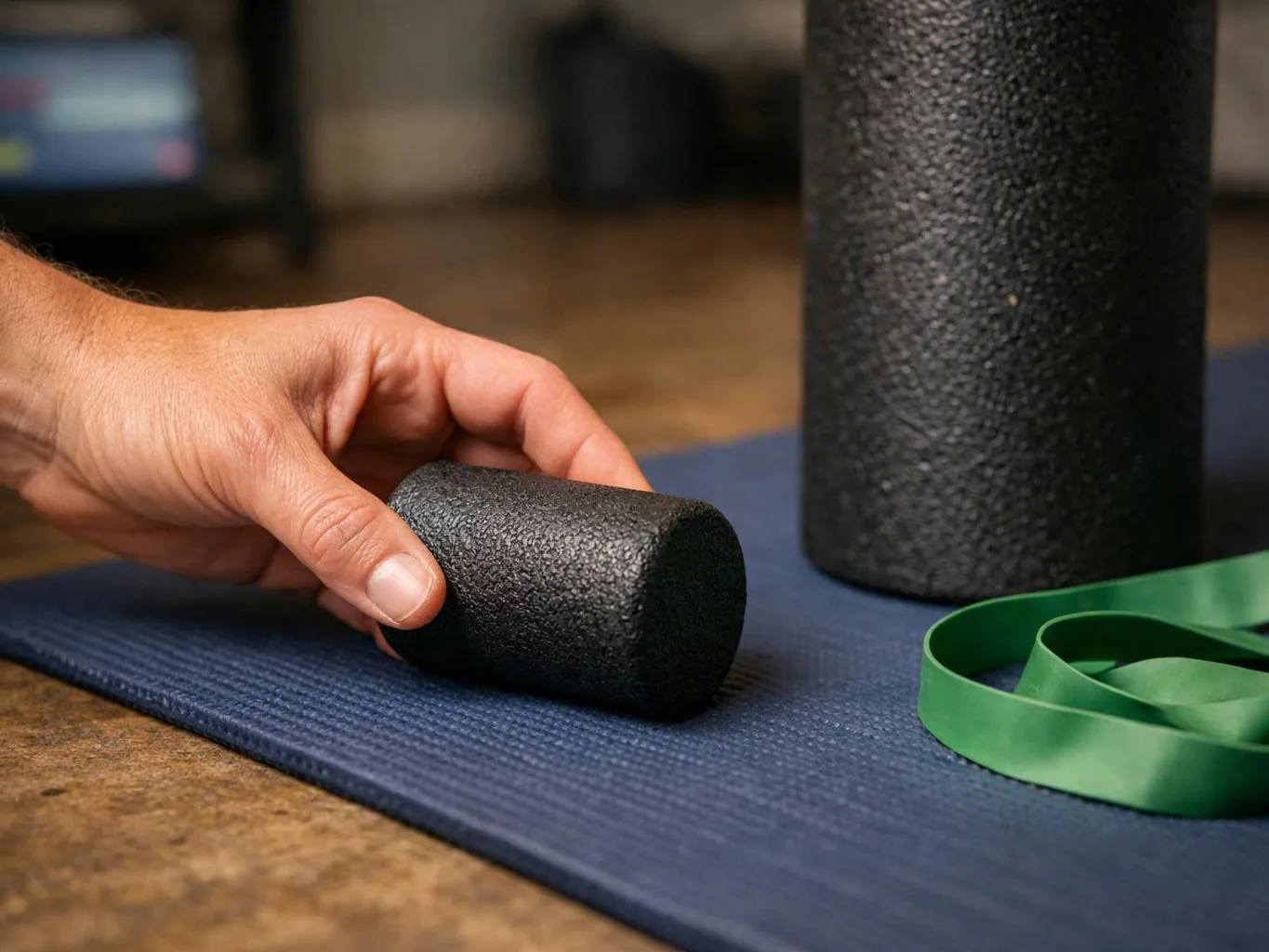
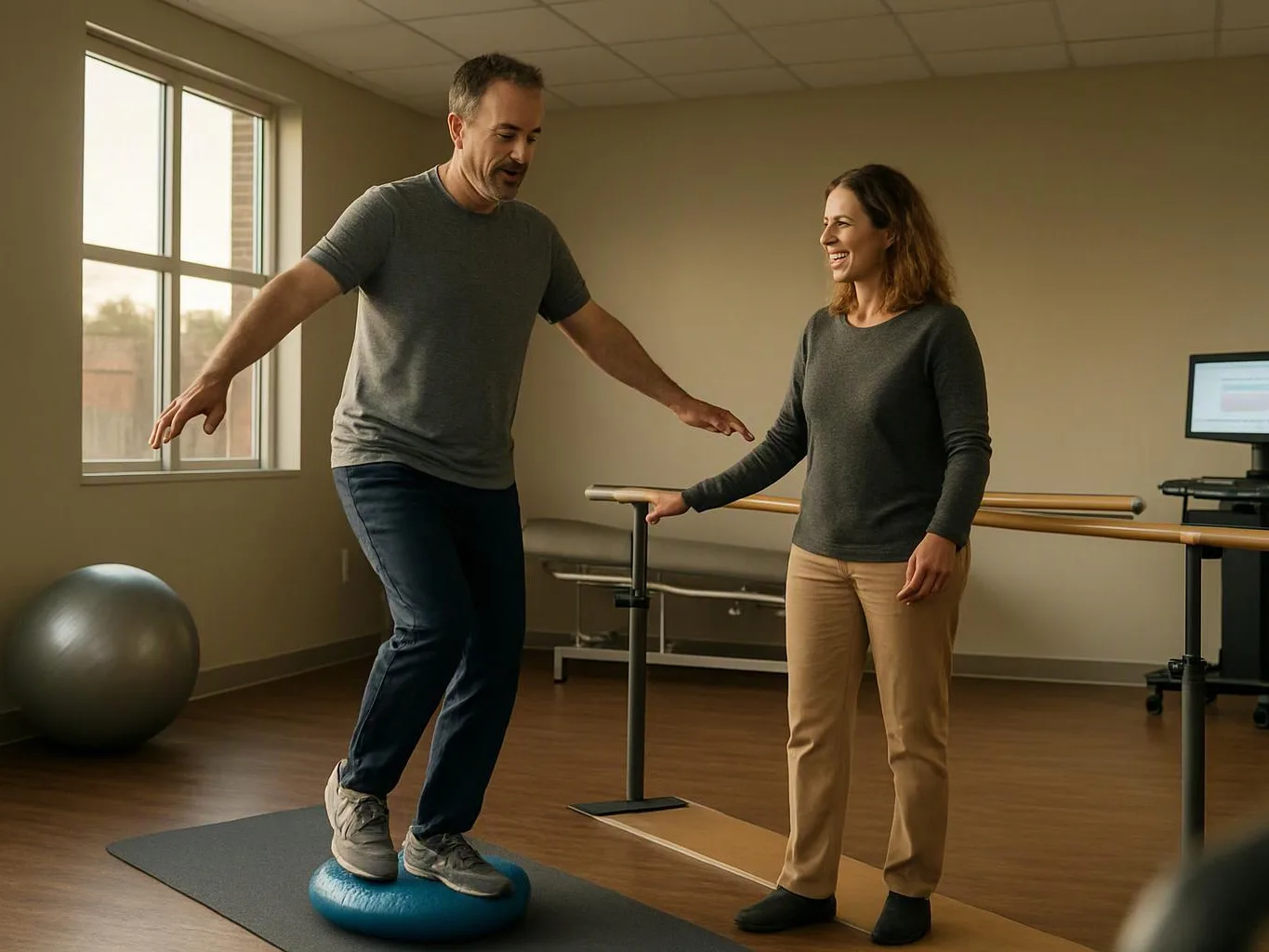
Home exercises support adjustment care by helping you practice the movement goals discussed during treatment. We may recommend simple exercises based on your symptoms, exam, and plan. The exercises should match your ability, and you should stop and report any activity that increases concerning symptoms.
Which care options may be discussed with an adjustment?
Spinal decompression, physical rehabilitation, corrective care, and wellness guidance may be discussed with an adjustment. The suitable option depends on your health history, exam findings, symptoms, and goals. We explain each option before adding it to a treatment plan.
Why might back pain return after treatment?
Back pain may return when muscle tension, daily movement, injury history, or other factors continue to affect the area. A progress re-examination helps us review your response and decide whether the plan needs changes. Home exercises and regular maintenance care may support the goals of your plan.