Skip to content

TMJ Disorder Treatment in Grantville, Georgia

Because teeth grinding can strain jaw joints, we assess jaw movement carefully for patients in Grantville. Our plan considers symptoms, muscle tension, and your daily goals.

Licensed & InsuredFree ConsultationsSame-Day ServiceUpfront, Transparent Pricing

Quick Summary: TMJ disorder care in Grantville, Georgia

TMJ Disorder Treatment in Grantville is provided by Arrowhead Clinic Chiropractor Newnan for jaw pain, TMJ dysfunction, muscle tension, and related headaches. Care includes a personalized evaluation and treatment plan based on each patient’s needs and goals.

  • What we do: Arrowhead Clinic Chiropractor Newnan provides TMJ Disorder Treatment for patients in Grantville, Georgia, with personalized evaluation and care planning.
  • What is included: Jaw assessment, chiropractic adjustments, soft tissue therapy, spinal care, and individualized treatment planning.
  • What you get: TMJ Disorder Treatment supports better jaw function, easier movement, and a care plan that matches the patient’s goals.

Why does jaw pain keep returning after teeth grinding?

Teeth grinding can keep jaw muscles tense and place repeated stress on the temporomandibular joints. TMJ disorder symptoms can also relate to joint inflammation, muscle imbalance, neck tension, or daily movement habits. A focused assessment helps identify the main contributors and guides the next treatment step.

TMJ Disorder Treatment for Jaw Pain in Grantville

TMJ disorder treatment suits people with jaw pain, limited opening, facial tension, clicking, or headaches linked to jaw movement. The work begins with a health history and exam, then considers how the jaw, neck, spine, and soft tissues move together.

This page addresses a focused buyer decision: whether jaw symptoms fit chiropractic care or need another type of evaluation. We explain what we assess, what care may include, and when dental or medical input matters. Results vary, so a treatment plan should match the cause and the patient’s goals.

  • Jaw opening, closing, and side-to-side movement are assessed.
  • The health history includes headaches, neck pain, injury, and daily jaw habits.
  • Muscle tension and joint motion are considered together.
  • The treatment plan is explained before care begins.
  • Dental or medical evaluation may be appropriate when symptoms fall outside chiropractic care.
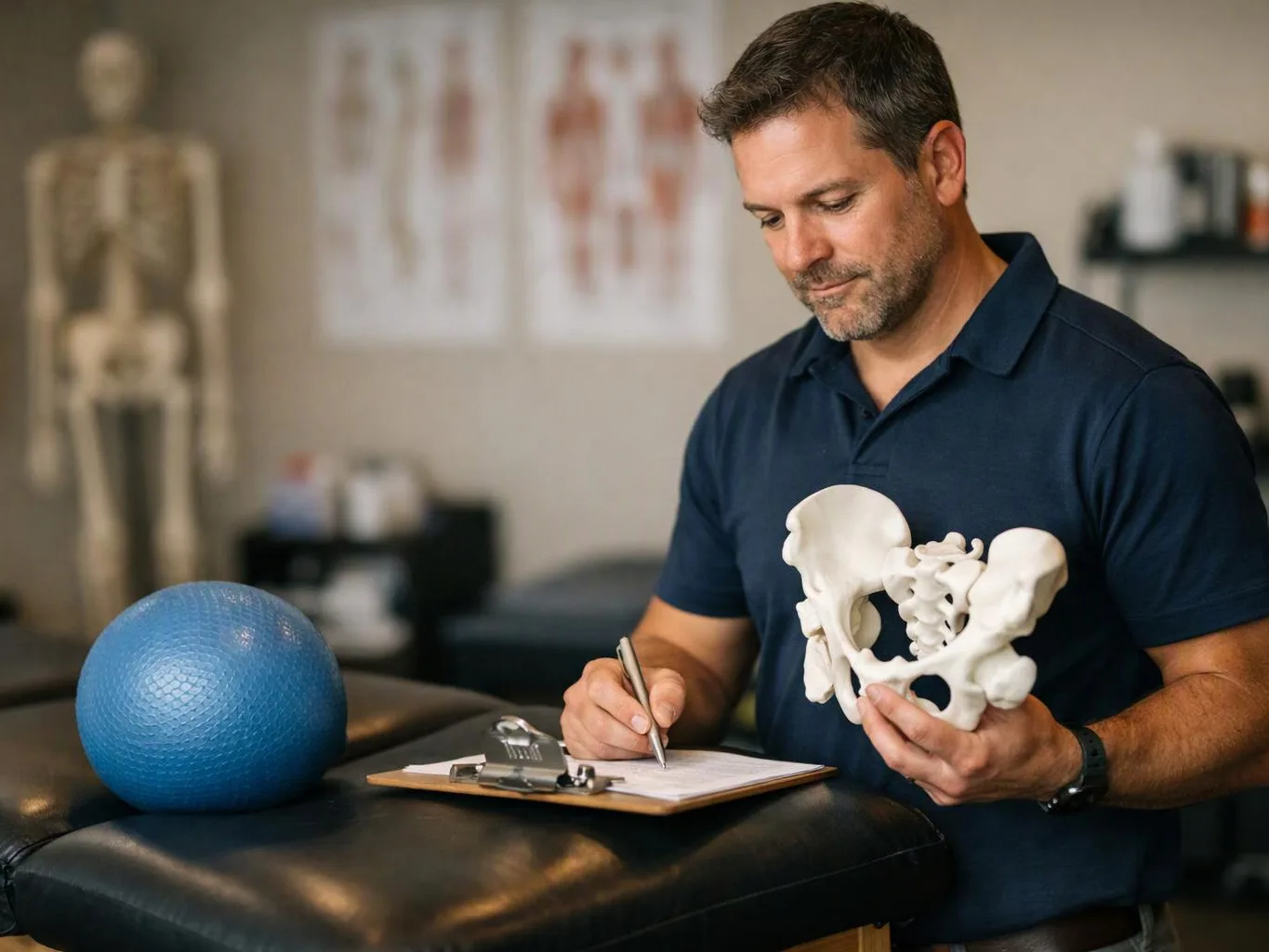
A man in a navy polo studies a pelvis model and writes on a clipboard in a clinic room

Service Overview

TMJ Disorder Treatment is a personalized care approach that addresses jaw joint strain, muscle tension, and related movement problems.

  • Chiropractic care focuses on joint motion, soft tissue tension, and connected neck mechanics, while dental care focuses on teeth, bite surfaces, and oral structures.
  • We provide TMJ Disorder Treatment for patients in Grantville through individualized evaluations and treatment plans.

What Jaw and TMJ Care Includes

Arrowhead Clinic Chiropractor Newnan provides comprehensive TMJ Disorder Treatment in Grantville. Here's what you get:

  • A personalized evaluation reviews jaw movement, neck function, symptoms, and relevant health history.
  • A treatment plan connects the assessment findings with your care goals.
  • Chiropractic adjustments may address related spinal or joint movement concerns.
  • Soft tissue therapy may help address tight muscles around the jaw, neck, and shoulders.
  • Spinal decompression or physical rehabilitation may be considered when the wider pattern includes related spine or movement concerns.
  • Wellness guidance supports daily movement and regular maintenance when it fits the patient’s needs.

A situation this service fits

A person in Grantville may notice jaw soreness after waking, tight facial muscles during work, or headaches after a stressful day. We assess jaw motion, neck movement, and muscle tension, then explain whether chiropractic care fits the concern or whether dental or medical input should come first.

How We Approach Jaw Joint and Muscle Concerns

Assessment before treatment

Jaw pain can come from several sources, so we review movement and health history before selecting care. TMJ symptoms that suggest a dental, medical, or urgent issue need the right outside evaluation.

Plain treatment explanations

We explain what we find and why a method may fit. Patients can ask questions before a personalized treatment plan is set.

Care linked to your goals

Jaw motion, neck function, muscle tension, and daily habits can interact. Our plan considers that wider pattern instead of treating one symptom in isolation.

Experienced licensed chiropractor

Our care is provided by an experienced, licensed chiropractor who uses patient history, examination findings, and clear progress discussions.

Process

How We Plan Care for Jaw Symptoms

1

Review symptoms and health history

We discuss jaw pain, clicking, headaches, neck symptoms, injuries, daily habits, and your goals for care.

2

Examine jaw and connected movement

The assessment checks jaw opening, side-to-side motion, neck movement, posture, and soft tissue tension.

3

Explain the report of findings

We explain what the examination suggests and answer questions about suitable chiropractic methods.

4

Build a personalized treatment plan

The plan may include adjustments, soft tissue therapy, physical rehabilitation, or wellness guidance based on your needs.

5

Review progress and next steps

Follow-up discussions help us assess changes in movement and symptoms and decide whether care should continue, change, or involve another service.

What TMJ Care Can Change for Daily Life

Better jaw movement may make eating and speaking more comfortable.

Addressing neck and jaw tension may support easier head and shoulder movement.

A clear care plan helps you understand which symptoms are being addressed.

Personalized treatment keeps care focused on your goals and individual response.

Regular maintenance may support lasting mobility when ongoing care fits your situation.

Choosing Care for Different Jaw Concerns

This comparison shows which type of care may fit different jaw-related concerns.

Jaw concernCare that may fitReason to seek another evaluation
Jaw and neck movement concernsChiropractic assessment and personalized careThe examination supports movement-focused treatment
Tooth damage or bite concernsDental evaluationThe concern centers on teeth or bite surfaces
Severe injury or serious unexplained symptomsMedical evaluationThe symptoms may fall outside chiropractic care

The Arrowhead Clinic Chiropractor Newnan Standard

  • Thorough Consultations
  • Personalized Care Plans
  • Clear Explanations
  • Professional Setting

Questions About Jaw Pain and TMJ Care

What causes jaw pain and TMJ disorder symptoms?

Teeth grinding can cause repeated jaw strain and TMJ disorder symptoms. Jaw tension, joint inflammation, muscle imbalance, neck problems, and injury can also contribute. Arrowhead Clinic Chiropractor Newnan reviews these factors during a health history and examination. The findings guide care or show when dental or medical evaluation is more appropriate.

What should be checked before jaw treatment is scheduled?

The jaw, neck, health history, symptom pattern, and daily habits should be checked before treatment is scheduled. We assess jaw motion, muscle tension, related headaches, prior injury, and neck function. A dental or medical referral may be more suitable when symptoms point beyond chiropractic care.

Who is a good fit for TMJ disorder treatment, and who needs a different service?

People with jaw discomfort, restricted movement, muscle tension, or related neck symptoms may fit chiropractic care. Dental care may be needed for tooth damage, bite concerns, or problems centered on the teeth. Medical evaluation may be needed for serious or unexplained symptoms. We discuss fit after the assessment.

What happens at each stage of jaw and TMJ care?

Jaw and TMJ care moves from assessment to explanation, treatment planning, and progress review.

  1. We review symptoms and health history.
  2. We examine jaw, neck, and soft tissue movement.
  3. We explain the findings and suitable methods.
  4. We create a personalized plan.
  5. We review progress and next steps.

Which daily habits can keep jaw tension going?

Jaw clenching, teeth grinding, poor head posture, and repeated strain can keep muscles tense. We discuss habits that appear relevant during the assessment and give practical guidance for daily movement. The right advice depends on the symptom pattern, so patients should not force jaw exercises that increase pain.

When should jaw symptoms receive dental or medical evaluation?

Jaw symptoms need dental or medical evaluation when they involve tooth damage, major swelling, severe injury, infection signs, or unexplained changes. Chiropractic care addresses movement and muscle concerns within its scope. We discuss outside evaluation when the examination shows that another service should lead care.

How does the assessment affect the cost of jaw treatment?

The assessment findings affect cost because they help determine which care methods and follow-up services fit the case. A plan involving adjustments may differ from one involving soft tissue therapy, physical rehabilitation, or related spinal care. We explain the recommended scope and how to request pricing information during the consultation.
Contact

Discuss Jaw Pain and TMJ Care in Grantville

We begin with a personalized jaw and neck assessment, then explain the treatment options that fit your symptoms and goals. Book a Free Consultation with Arrowhead Clinic Chiropractor Newnan to discuss your next step.

A yoga mat, strap, cork block, folded cloth, and coffee cup rest on a wooden table

ZIP Codes We Serve in Grantville, Georgia

30220

The health and wellness information on this website is for general informational purposes only and is not medical advice. It does not create a provider-patient relationship. Always consult a qualified licensed provider in Newnan, Georgia, United States about your specific condition before making care decisions. Individual results vary.

(770) 692-1041