Understanding Graston Technique
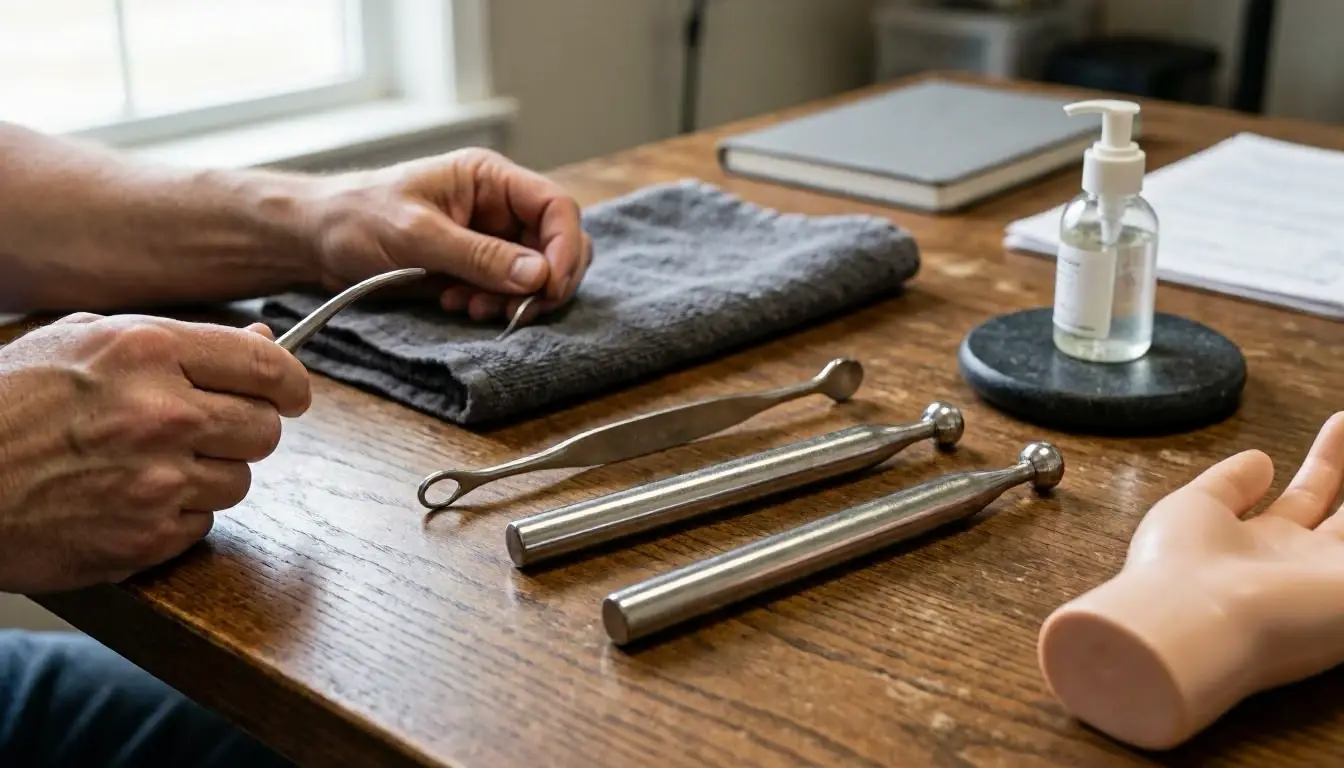
Graston Technique is a type of instrument-assisted soft tissue mobilization (IASTM) developed to help clinicians identify and treat areas of soft-tissue dysfunction. The technique involves using specially designed stainless-steel tools that glide over the skin to detect restrictions, adhesions. Or scar tissue in muscles, tendons. And ligaments. Unlike traditional massage or manual therapy, Graston Technique provides a more targeted approach by allowing clinicians to apply precise pressure to affected areas, which can help break down fascial adhesions and stimulate the body’s natural healing response.
The tools used in Graston Technique are shaped to fit different parts of the body, such as the arms, legs, back. Or neck. They're not sharp or invasive but are designed to amplify the clinician’s ability to feel tissue restrictions. This makes it easier to locate problem areas that might not be detectable through touch alone. The technique is often used in combination with other therapies, such as stretching, strengthening exercises. Or chiropractic adjustments, to boost overall recovery and restore function.
How Graston Technique Works?
Graston Technique works by applying controlled microtrauma to the affected soft tissues. When the stainless-steel instruments are used to scrape or stroke the skin, they create a mild inflammatory response in the injured area. This inflammation triggers the body’s natural healing process, increasing blood flow, breaking down scar tissue. And promoting the regeneration of healthy tissue. The technique is particularly effective for treating chronic injuries, such as tendonitis, plantar fasciitis. Or muscle strains, where scar tissue or adhesions have formed over time.
Many projects start with The process typically begins with a warm-up, such as light exercise or heat therapy, to prepare the tissues for treatment. The clinician then uses the Graston tools to scan the area, identifying spots where the tissue feels gritty, stiff. Or restricted. Once these areas are located, the clinician applies gentle to moderate pressure with the tools, using specific strokes to break up adhesions. Patients may experience temporary redness, bruising. Or mild discomfort during or after the session. But these effects are usually short-lived and indicate that the technique is working.
Treatment sessions are often brief, lasting between 5 to 15 minutes, depending on the size and severity of the injured area. Most patients require multiple sessions, spaced a few days apart, to achieve optimal results. Clinicians may also recommend specific stretches or exercises to perform at home to support the healing process and prevent re-injury.
Why Graston Technique Matters?
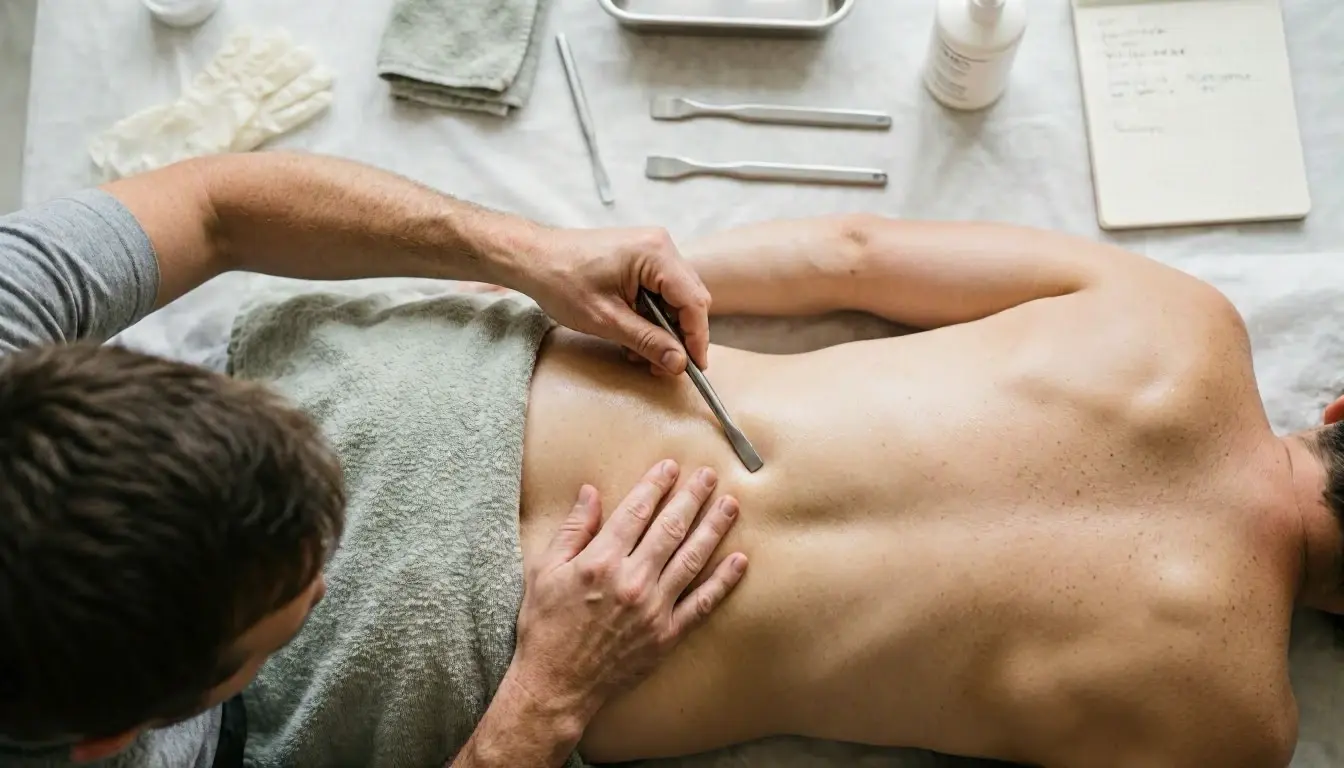
Graston Technique matters because it offers a non-invasive, drug-free way to address soft-tissue injuries that can limit movement, cause pain. And reduce quality of life. Many people develop scar tissue or adhesions after an injury, surgery. Or repetitive strain, which can lead to chronic pain, stiffness. Or reduced range of motion. Traditional treatments, such as rest, ice. Or medication, may provide temporary relief but often fail to address the underlying tissue restrictions. Graston Technique helps break down these restrictions, allowing the body to heal more effectively and restoring function to the affected area.
The technique is also valuable for athletes, laborers. Or individuals with physically demanding lifestyles who are prone to overuse injuries. By addressing soft-tissue dysfunction early, Graston Technique can help prevent minor issues from becoming chronic problems. And because the technique stimulates the body’s natural healing mechanisms, it can reduce the need for more invasive treatments, such as surgery or long-term medication use.
When Graston Technique Matters Most?
Graston Technique is most beneficial in situations where soft-tissue injuries have not responded to conventional treatments, such as rest, ice. Or physical therapy. It's particularly useful for conditions like tendonitis (e.g., tennis elbow or Achilles tendonitis), plantar fasciitis, muscle strains. Or post-surgical scar tissue. Patients who experience stiffness, pain. Or limited range of motion due to repetitive strain, overuse. Or trauma may also find relief with Graston Technique. The technique is often recommended for individuals recovering from sports injuries, workplace injuries. Or car accidents, as it can help speed up recovery and improve overall mobility.
Graston Technique is also valuable for patients who want to avoid more invasive treatments, such as cortisone injections or surgery. Because it is a manual therapy, it carries fewer risks than surgical procedures and doesn't involve medication. But Graston Technique is not suitable for everyone. Patients with certain conditions, such as open wounds, infections. Or blood clotting disorders, should avoid the technique. Clinicians will typically conduct a thorough evaluation before recommending Graston Technique to ensure it is safe and appropriate for the patient’s specific needs.