Understanding Myofascial Release
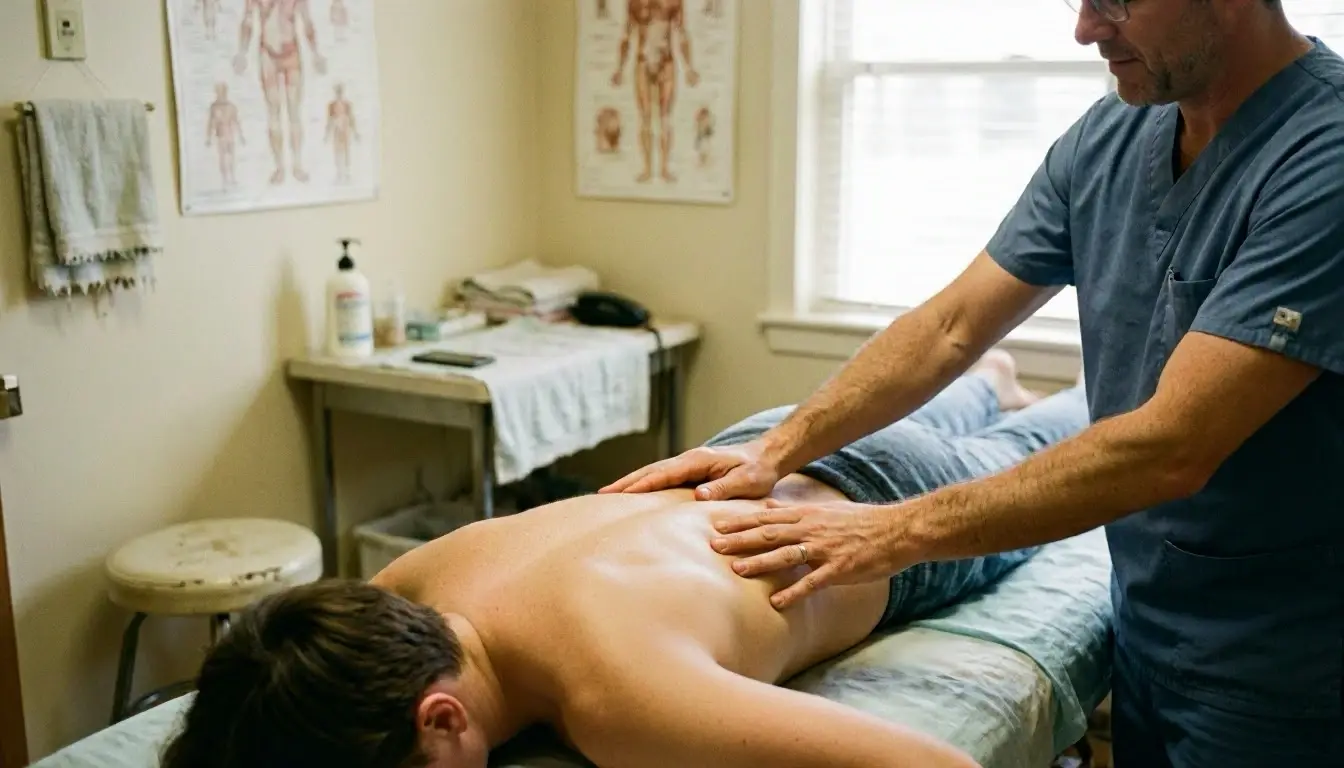
Myofascial Release is a type of hands-on therapy. It treats tightness in the fascia. Fascia is a thin tissue. It wraps around muscles, bones. And organs.
Fascia can get tight or stiff. This happens from injury, overuse. Or bad posture. Tight fascia causes pain. It can also limit how you move.
This therapy uses gentle pressure. The pressure lasts a while. It helps fascia relax. Then it can stretch again.
Other therapies work on muscles or joints. Myofascial Release works on the body's connective tissue. This tissue supports your whole body.
That makes it good for many problems. It helps with back pain and neck stiffness. It can ease headaches. It may help with long-term issues like fibromyalgia (a condition that causes pain all over).
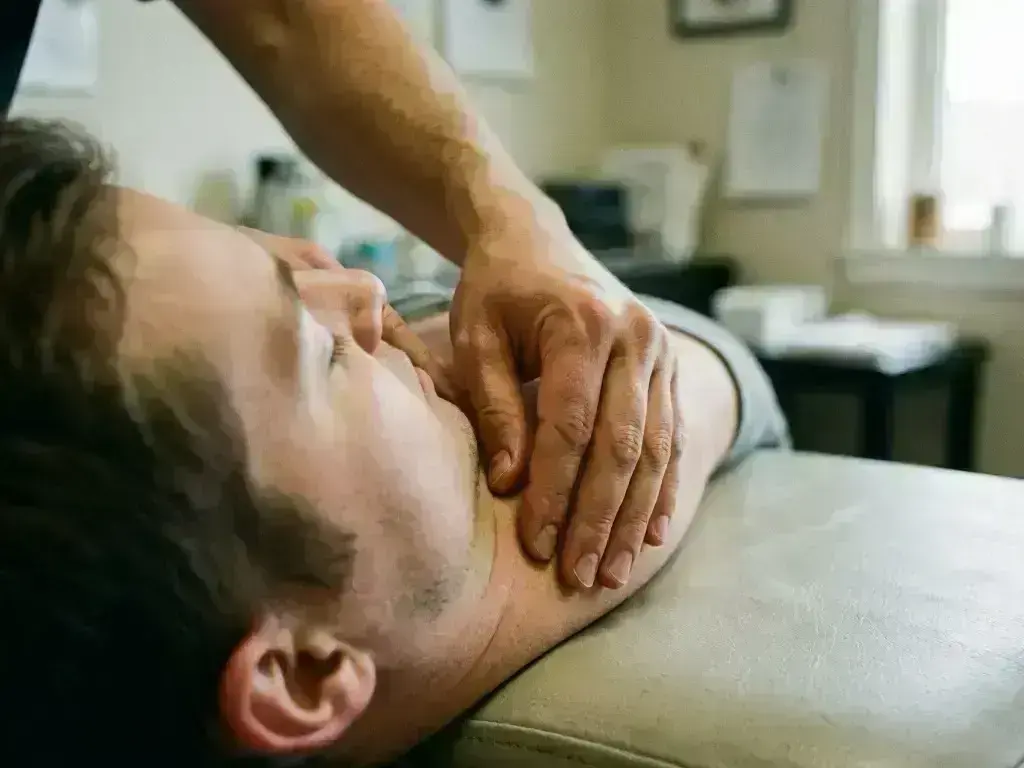
A trained therapist does this work. They use their hands, elbows. Or tools. They stretch and loosen the fascia. Patients often say it feels like slow, steady pressure.
How Myofascial Release Works?
First, the therapist finds tight spots in the fascia. They press gently on those spots. The pressure lasts a long time.
The therapist checks your body for stiff areas. These spots may feel like knots. They can also feel like tight bands or sore places.
Once they find them, they press slowly. They use their hands or tools. The pressure goes in the direction of the tightness.
This helps the fascia let go. Then it can go back to its normal, stretchy state.
People say it feels like a talk. The therapist listens to your body. They change the pressure as needed.
This is not like deep tissue massage. That uses strong, rhythmic pressure. Myofascial Release is slower. It works on connective tissue, not muscles.
The goal is to balance the fascia. This can help you move better. It can also cut pain and help your body work right.
Studies show it can help blood flow. It can lower swelling. It may help hurt or overworked tissues heal.
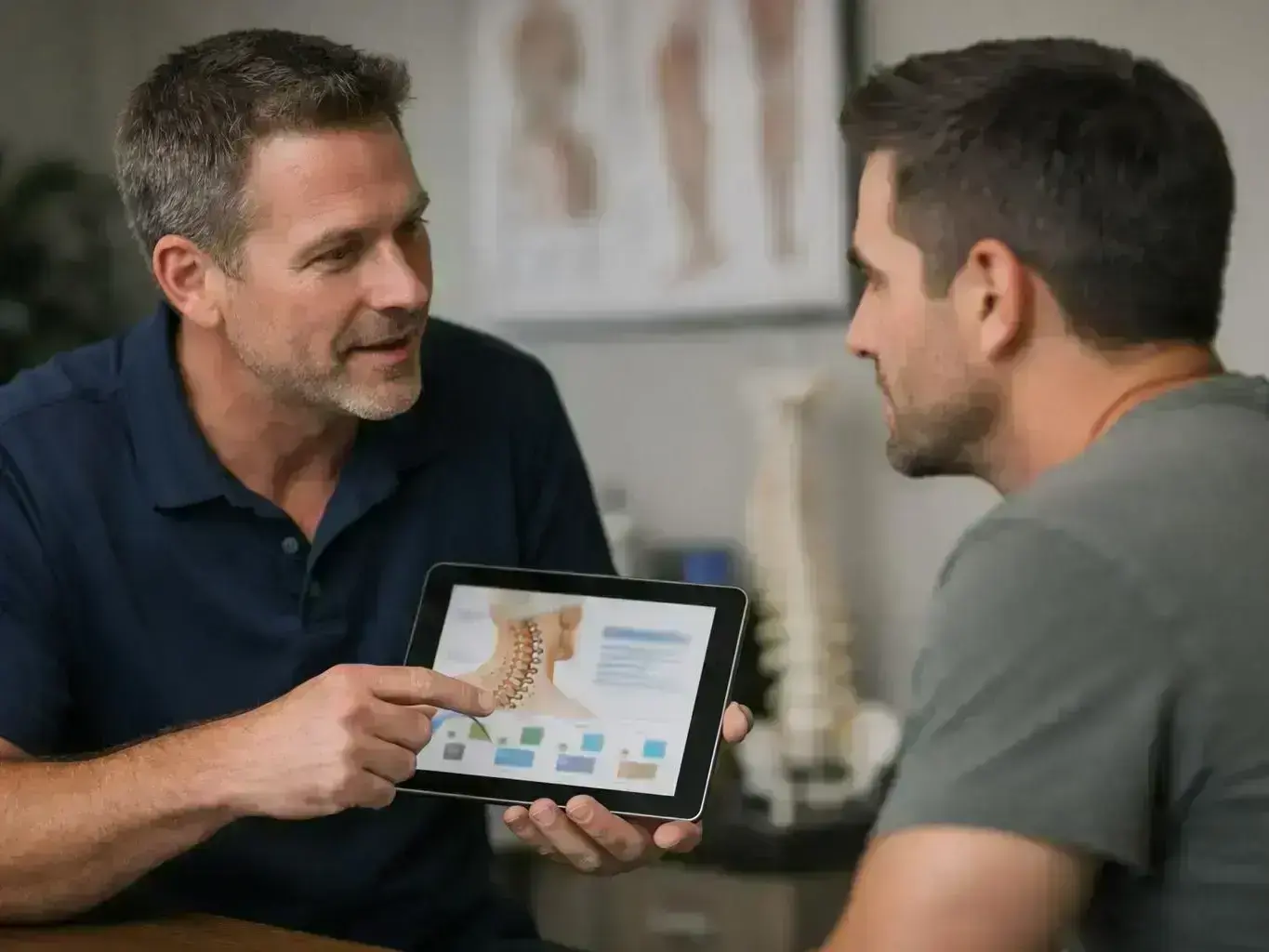
It's often used with other treatments. These include chiropractic (spine) care or physical therapy. It also works with exercise.
Fascia links different body parts. So, loosening one area can help another. For example, tight hips may cause back pain. Fixing the hips may help the back.
Why Myofascial Release Matters?
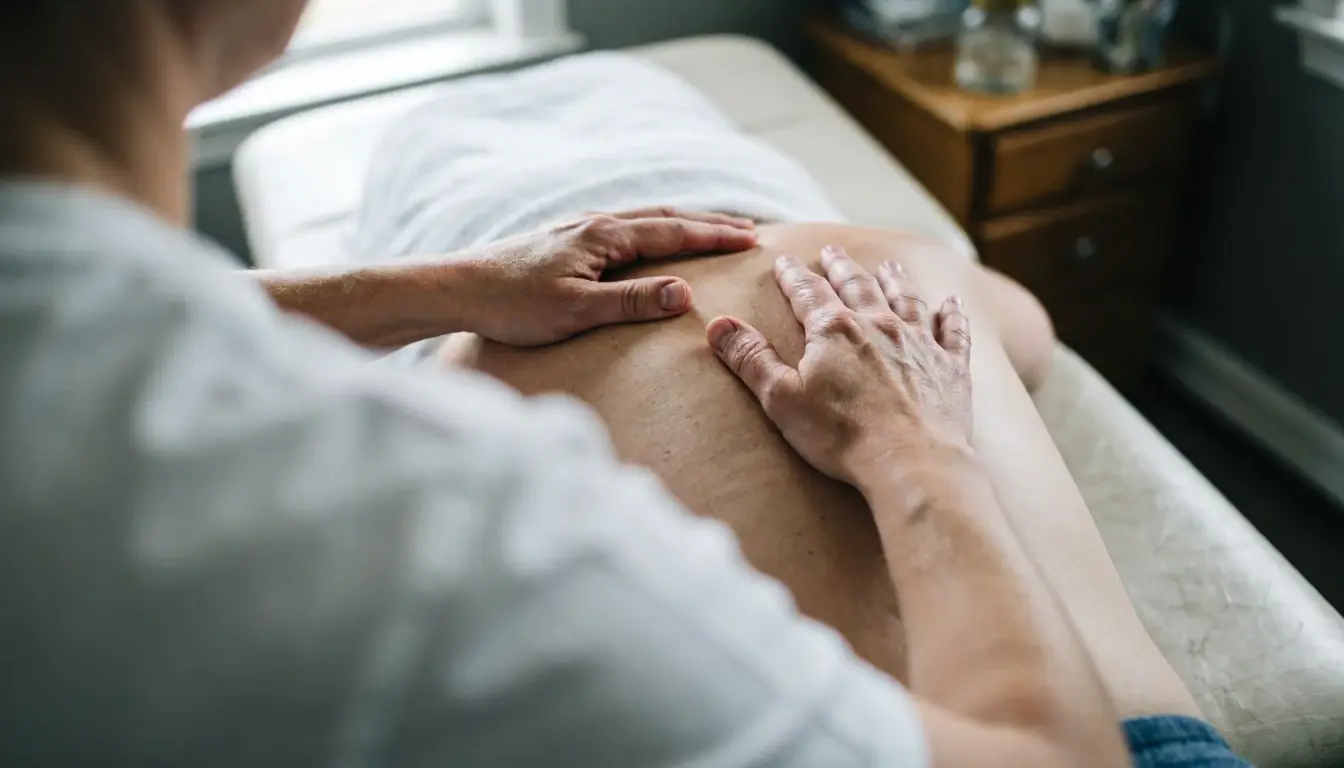
Myofascial Release matters because it works on a key body part. Fascia is often missed. It helps you move and stand tall.
But fascia can get tight. You may not notice it. Tight fascia pulls on muscles and nerves. This can cause pain or stiffness.
This therapy can fix that. It helps you move naturally again. You won't need pills or surgery.
It also works well with other treatments. Chiropractic care (spine fixes) helps joints. But if fascia is tight, the fixes may not last.
Myofascial Release can loosen the fascia first. Then the spine fixes work better. They also last longer.
Athletes and hurt people may heal faster. It helps them get flexible again. This lowers the chance of getting hurt again.
When Myofascial Release Matters Most?
This therapy helps when pain won't go away. Other treatments may only help for a while. The pain comes back because fascia is still tight.
Myofascial Release can give longer relief. It fixes the real cause of the pain.
It also helps after injuries or surgeries. Scar tissue can form. This tissue can get tight and limit movement.
People with repetitive strain injuries get help too. These include carpal tunnel (wrist pain) or plantar fasciitis (foot pain). Overuse causes tightness in certain spots.
Athletes, office workers. And laborers get these injuries. They do the same motions over and over. This therapy can break the cycle of tightness and pain.
It helps people with fibromyalgia (widespread pain) too. They often have tight muscles all over. Myofascial Release can ease that tension.
In Newnan, GA, chiropractors and therapists use this a lot. They help people with everyday aches. It also helps with sports injuries or work strain.
Many people here are active. They play sports or do physical jobs. Others sit at desks all day. All of these can cause tight fascia.
Fixing it early stops small pains from becoming big ones. This therapy helps keep you healthy and moving well.