Understanding Posture Correction
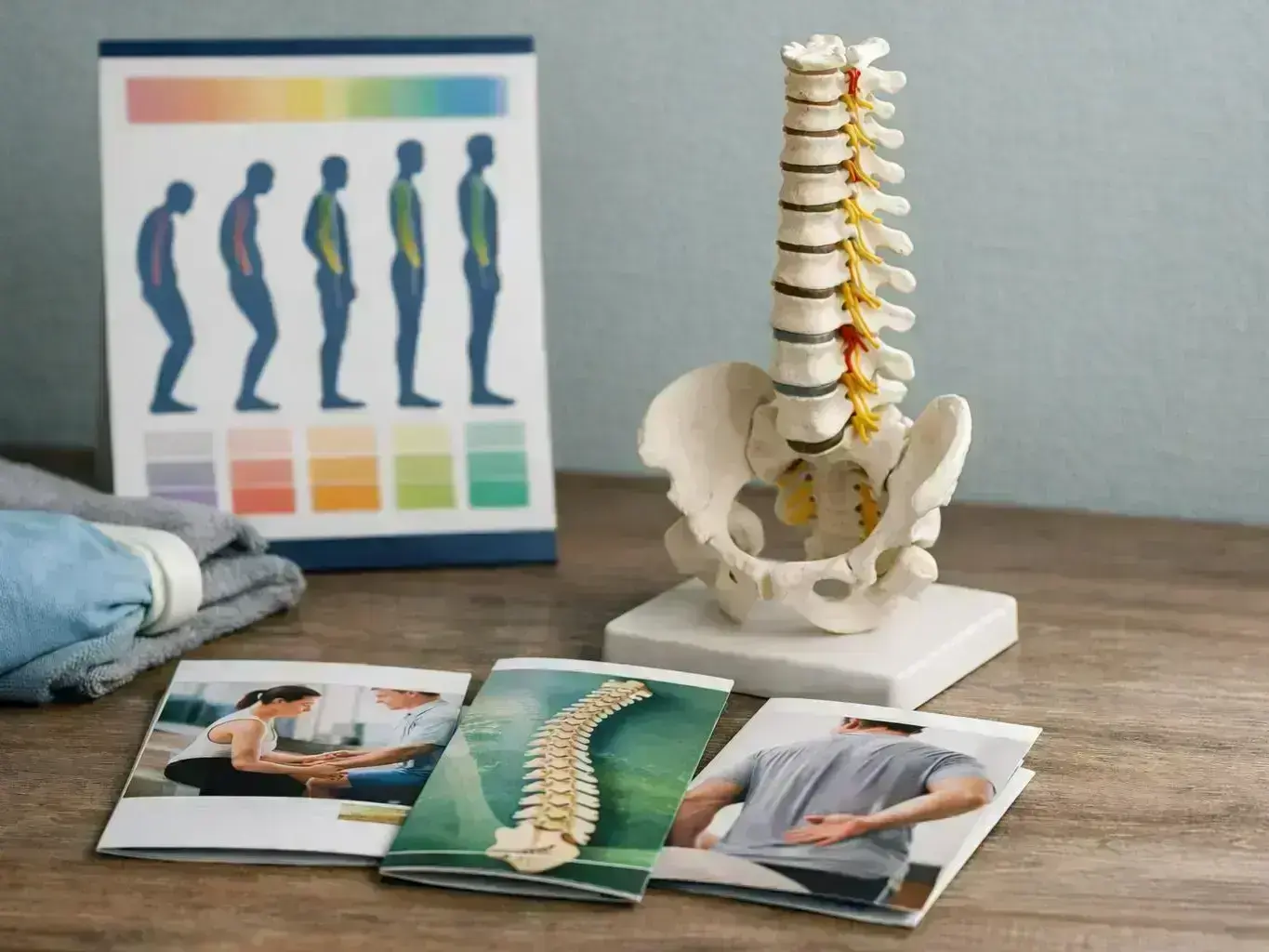
Posture Correction focuses on improving how the body holds itself during sitting, standing. And moving. Poor posture, such as slouching or hunching, shifts the spine out of its natural curves, causing muscles to work harder and joints to wear unevenly. Over time, this can lead to chronic pain, reduced mobility. And even nerve irritation. Posture Correction aims to restore balance by addressing muscle imbalances, joint restrictions. And movement habits that contribute to misalignment.
While many people associate posture with sitting at a desk, it affects all daily activities, including walking, lifting. And sleeping. For example, looking down at a phone for long periods can strain the neck. While standing with uneven weight distribution can stress the hips and lower back. Posture Correction works to identify these patterns and replace them with healthier alternatives, often through targeted exercises, ergonomic tools. And manual therapy.
How Posture Correction Works?
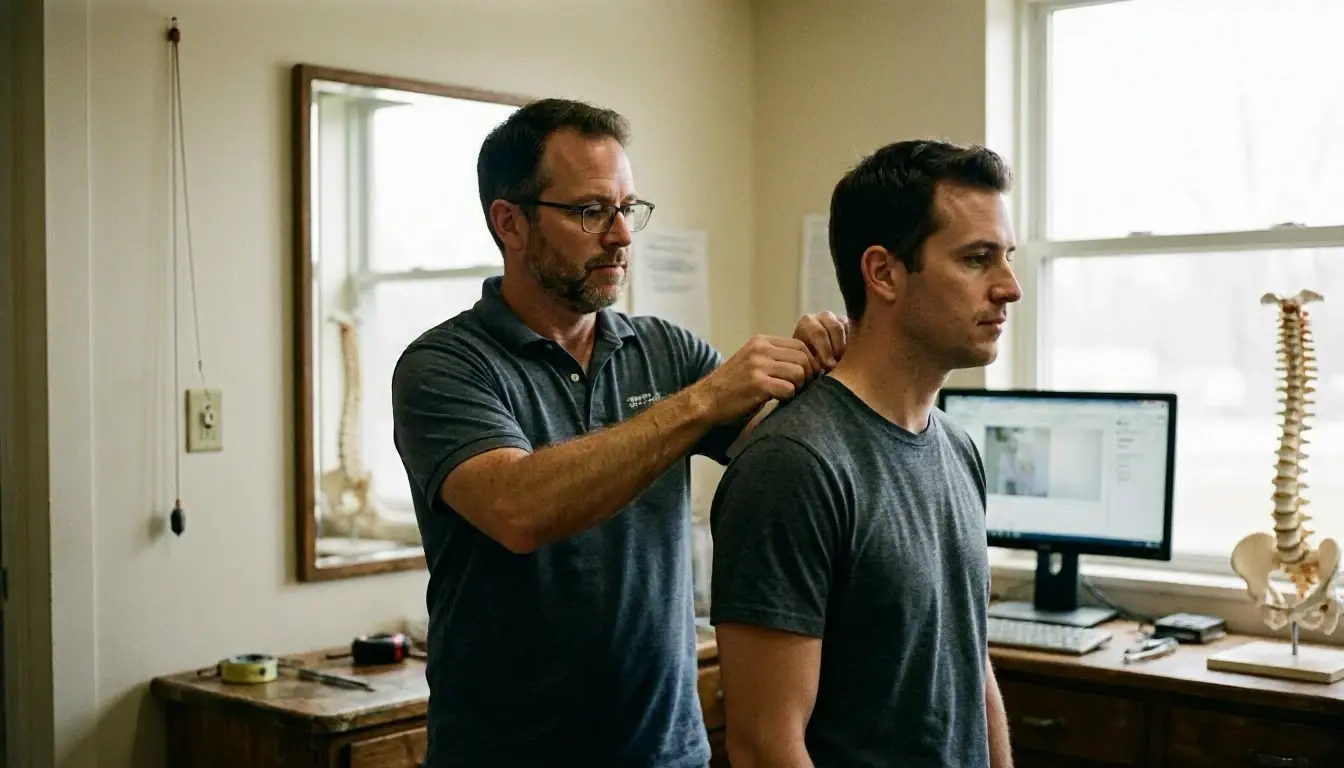
The process typically begins with an assessment to evaluate alignment, muscle strength. And flexibility. A chiropractor or posture specialist may observe how a person stands, sits. And moves, looking for imbalances like rounded shoulders, a forward head position. Or an arched lower back. X-rays or posture analysis tools may also be used to measure spinal curves and joint positioning. Based on these findings, a personalized plan is created, which may include:
- Stretching and strengthening exercises to address tight or weak muscles.
- Ergonomic adjustments, such as modifying a workstation or chair to support better alignment.
- Manual therapy, like chiropractic adjustments or myofascial release, to improve joint mobility and reduce tension.
- Posture training, such as using mirrors or wearable devices to reinforce proper positioning.
Posture Correction is not a one-time fix but an ongoing practice. Just as poor posture develops over time, improving it requires consistent effort. Small changes, like setting reminders to stand up straight or using a lumbar roll while sitting, can make a significant difference over weeks or months. The goal is to retrain the body to maintain alignment naturally, reducing strain and preventing future discomfort.
Why Posture Correction Matters?

Good posture is more than just an aesthetic concern—it directly impacts physical health. When the body is aligned correctly, muscles and joints work efficiently, reducing unnecessary strain. This can alleviate common issues like back pain, neck stiffness. And headaches, which are often linked to poor posture. And proper alignment supports breathing, digestion. And circulation, as organs have more space to function optimally.
Beyond physical comfort, Posture Correction can also improve energy levels and confidence. Slouching compresses the chest and restricts breathing, which can lead to fatigue. While standing tall opens the airways and promotes better oxygen flow. Over time, maintaining good posture can also prevent degenerative conditions like osteoarthritis, as joints are less likely to wear unevenly. For those recovering from injuries or surgeries, Posture Correction can speed up healing by reducing stress on affected areas.
When Posture Correction Matters Most?
Posture Correction becomes especially important in situations where the body is under prolonged stress or misalignment. For example, people who sit at desks for long hours are at higher risk for developing poor posture due to slouching or leaning forward. Similarly, those who perform repetitive tasks, like lifting, typing. Or driving, may develop muscle imbalances that pull the spine out of alignment. Athletes and active individuals may also benefit from Posture Correction to prevent overuse injuries and improve performance.
Other key times to focus on posture include:
- After an injury, such as a sprain, strain. Or fracture, to prevent compensatory movement patterns.
- During pregnancy, when the body’s center of gravity shifts, leading to lower back strain.
- As part of rehabilitation for conditions like scoliosis or herniated discs, where alignment is critical for recovery.
- For older adults, to reduce the risk of falls and maintain mobility as muscle strength declines.
Even for those without pain, Posture Correction can be a proactive way to maintain long-term health. Just as regular exercise and a balanced diet support overall well-being, paying attention to posture can help prevent future problems and improve quality of life.