Understanding Soft Tissue Therapy
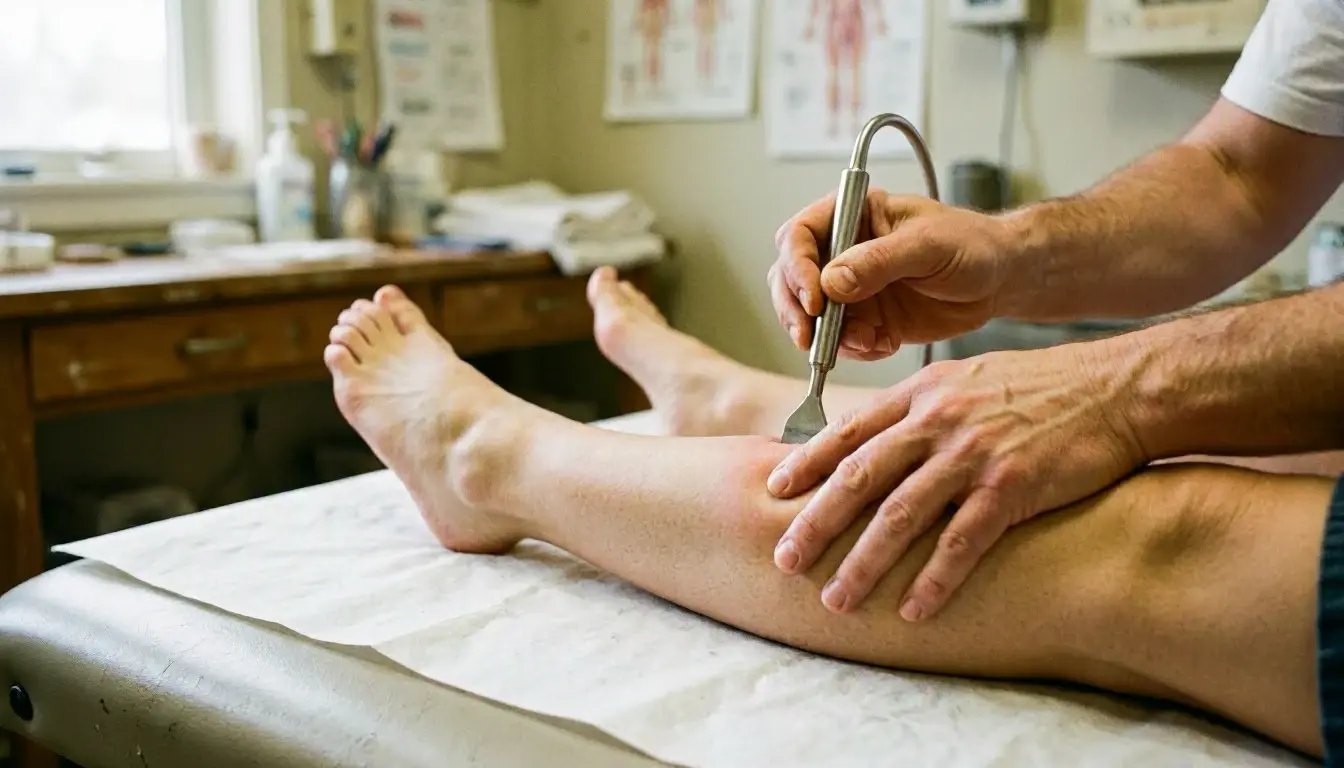
Soft Tissue Therapy is a type of manual treatment that focuses on the body’s soft tissues—muscles, tendons, ligaments. And fascia. Unlike chiropractic adjustments, which target the spine and joints, Soft Tissue Therapy works to release tightness, reduce inflammation. And repair damage in the muscles and connective tissues. These tissues can become stiff or injured from everyday activities, sports, poor posture. Or accidents. The goal is to restore normal movement, reduce pain. And help the body heal naturally.
Soft Tissue Therapy is not the same as a relaxing massage. While massage may feel good, Soft Tissue Therapy is more clinical and results-driven. Therapists use specific techniques to locate problem areas, such as knots, adhesions. Or scar tissue. And apply controlled pressure to break them down. This process helps improve blood flow, reduce swelling. And restore flexibility. Many people find relief from conditions like muscle strains, tendonitis. And even chronic pain after receiving Soft Tissue Therapy.
How Soft Tissue Therapy Works?
Soft Tissue Therapy works by applying direct pressure and movement to affected areas. A therapist may use their hands, fingers, elbows. Or specialized tools to identify tight spots and adhesions in the soft tissues. Once located, they apply steady pressure or perform stretching techniques to release tension. This process helps break up scar tissue, which can form after injuries and limit movement. Improved blood flow to the area also speeds up healing by delivering oxygen and nutrients to damaged tissues.
For local customers, Common techniques include myofascial release, trigger point therapy. And deep tissue work. Myofascial release focuses on the fascia, a thin layer of connective tissue that surrounds muscles and organs. Trigger point therapy targets tight knots in muscles that can cause referred pain in other areas of the body. That matters. Deep tissue work applies firm pressure to reach deeper layers of muscle and connective tissue. Each technique is chosen based on the patient’s specific condition and pain level.
Soft Tissue Therapy is often used alongside other treatments, such as chiropractic adjustments or physical therapy. For example, a chiropractor might adjust the spine to improve alignment, then use Soft Tissue Therapy to relax tight muscles that could pull the spine out of place again. This combination helps patients recover faster and maintain their progress between visits.
Why Soft Tissue Therapy Matters?
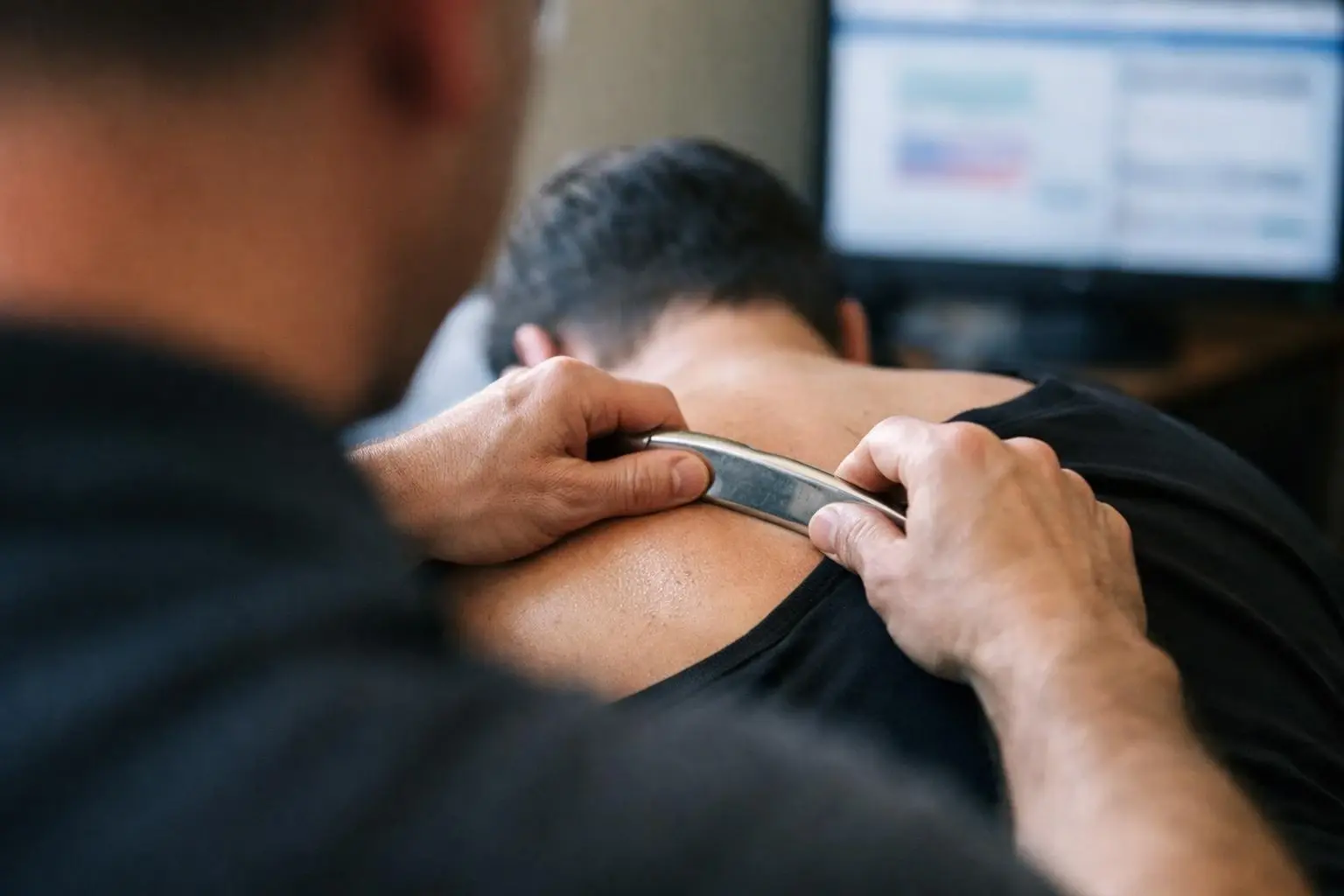
Soft Tissue Therapy matters because it addresses the root causes of pain and dysfunction, not just the symptoms. Many people take pain medication to mask discomfort. But this doesn’t fix the underlying issue. Soft Tissue Therapy helps the body heal itself by improving circulation, reducing inflammation. And restoring normal tissue function. This can lead to long-term relief, especially for conditions like back pain, neck pain. And repetitive strain injuries.
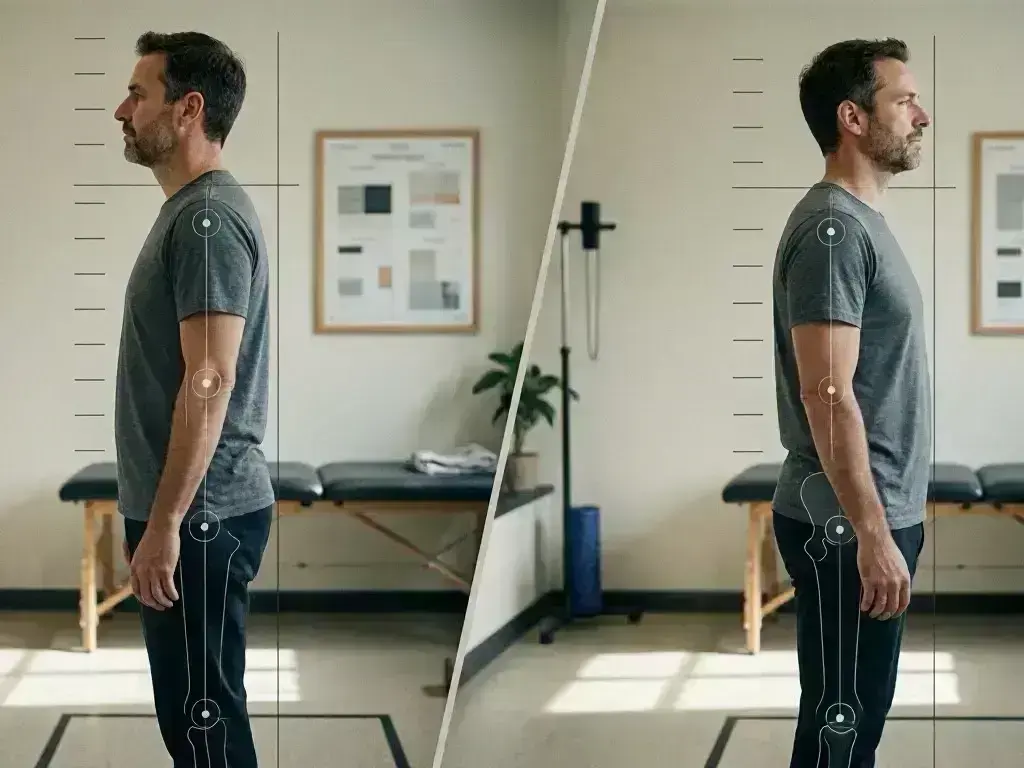
Another reason Soft Tissue Therapy is valuable is its ability to prevent future injuries. Tight or damaged soft tissues are more likely to tear or strain during physical activity. By keeping these tissues healthy, athletes and active individuals can perform better and reduce their risk of injury. Even office workers who sit for long hours can benefit, as Soft Tissue Therapy helps counteract the stiffness and poor posture that come from desk jobs.
When Soft Tissue Therapy Matters Most?
Soft Tissue Therapy is most helpful after injuries, surgeries. Or when dealing with chronic pain. For example, someone recovering from a car accident may have muscle tension and scar tissue that limits their range of motion. Soft Tissue Therapy can help break up this scar tissue and restore flexibility. Athletes often use it to recover from sprains, strains. Or overuse injuries, allowing them to return to their sport faster and with less pain.
People with chronic conditions, such as fibromyalgia, arthritis. Or repetitive strain injuries, also benefit from Soft Tissue Therapy. These conditions often involve ongoing pain and stiffness in the muscles and connective tissues. Regular sessions can help manage symptoms and improve quality of life. And Soft Tissue Therapy is useful for anyone experiencing muscle tightness, headaches. Or joint pain due to stress, poor posture. Or daily wear and tear.
In Newnan, GA, Soft Tissue Therapy is commonly used in chiropractic clinics to support patients recovering from work injuries, sports injuries. Or auto accidents. Many local workers, athletes. And active adults rely on it to stay mobile and pain-free, especially in physically demanding jobs or hobbies.