Back Pain Treatment and Posture Correction: Can Better Alignment Reduce Recurring Pain?
Back pain treatment and posture correction can reduce recurring pain when poor alignment contributes to symptoms, and Arrowhead Clinic Chiropractor Newnan checks movement, spinal mechanics, and daily habits to guide care.
Book a Free ConsultationCan Better Posture Reduce Recurring Back Pain?
Yes, better posture can reduce recurring back pain when sustained alignment problems increase strain during movement or rest. Posture correction can support more comfortable spinal mechanics when poor posture affects the spine, pelvis, shoulders, hips, or core muscles.
Arrowhead Clinic Chiropractor Newnan looks at how your body moves, not only how you sit or stand. Our team connects posture with movement patterns, muscle tension, mobility, and daily activities to determine whether alignment is contributing to recurring pain.
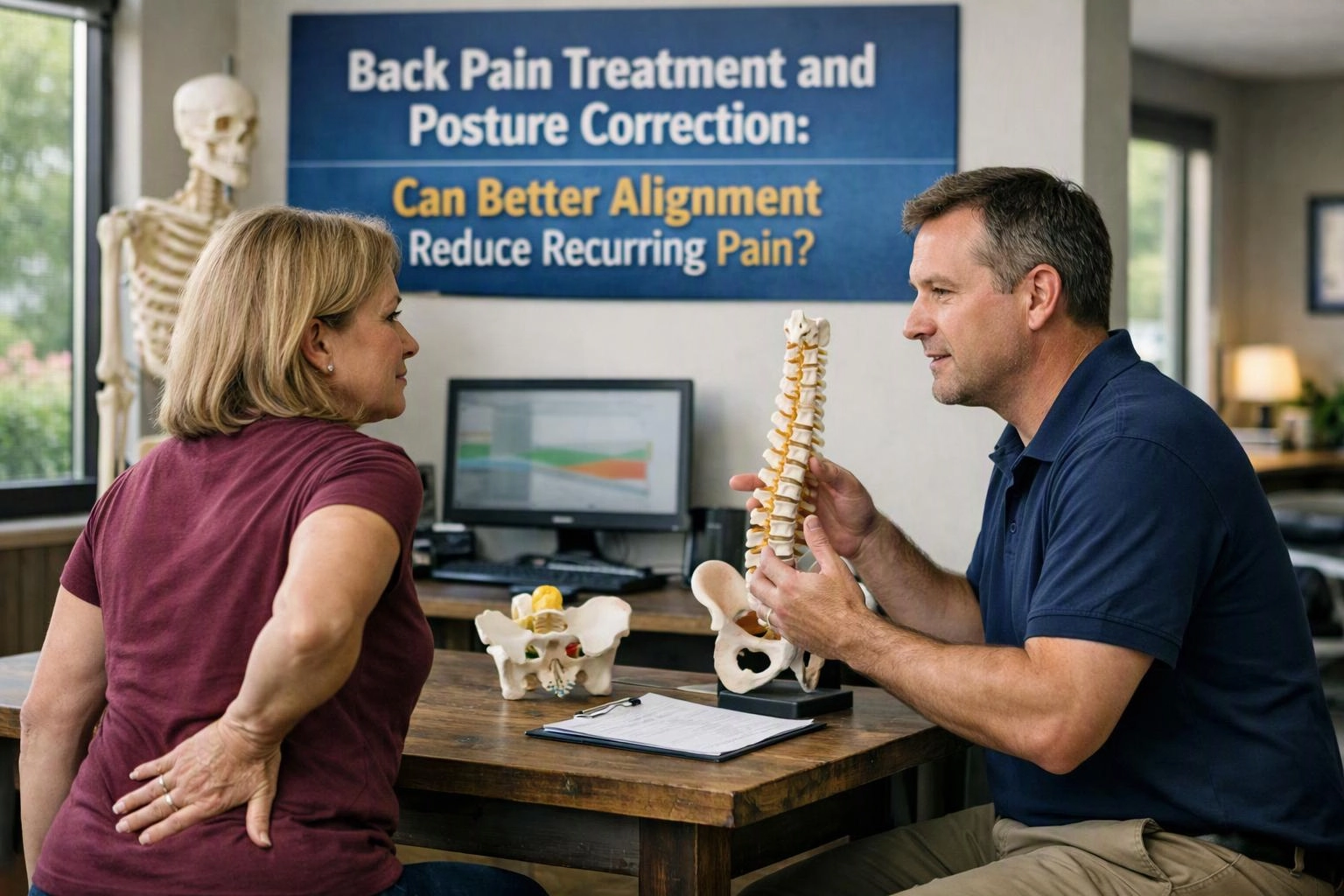
When Do Back Pain Treatment and Posture Correction Work Best Together?
Back pain treatment and posture correction work best together when daily movement or sustained positions continue to place strain on the back. We use the findings from your assessment to shape care around the causes that may be keeping symptoms active.
These services may be connected in the following situations:
What We Check Before Recommending Posture Correction
We check posture, spinal movement, mobility, muscle tension, and daily activities to determine whether alignment contributes to back pain. Our posture assessment helps us connect your symptoms with the way your body moves and rests.
We review range of motion in the spine, hips, and related areas. We also ask about pain patterns, work demands, sleep position, lifting, and other activities that may affect symptoms. These details help us decide whether posture correction belongs in your care plan.
How Back Pain Treatment and Posture Correction Work Together
Back pain treatment and posture correction work together by combining assessment, targeted care, and practical changes that support comfortable movement. We adjust the plan to your symptoms, mobility, and care goals.
Our approach may connect the following parts of care:
What Does a Posture-Focused Back Pain Plan Include?
A posture-focused back pain plan includes a review of symptoms, an evaluation of movement, and guidance matched to your daily activities. We use each step to decide how posture correction can support your back pain treatment.
Which Daily Habits Can Support Better Spinal Alignment?
Daily habits support spinal alignment when they reduce sustained strain and help you use the spine comfortably during ordinary activities. Ergonomics can make desk work, standing, and lifting easier on the back when the setup supports natural movement.
Sitting posture improves when you change positions and avoid holding one position for too long. Standing posture is easier to maintain when your weight is balanced and your shoulders, hips, and feet stay comfortable.
Sleep-position guidance can help you choose a position that does not increase symptoms. Careful lifting technique and regular movement breaks can also reduce repeated strain during work and home tasks.
We connect these habits to your assessment so the advice fits your body and routine. You can use home exercises and gradual movement practice to build better control without forcing painful positions.
When Should Back Pain Be Evaluated Before Posture Exercises?
Back pain should be evaluated before posture exercises when symptoms persist, radiate, follow an injury, or involve numbness or weakness. These signs may require a clinical evaluation before you begin a new exercise routine.
Radiating pain can travel from the back into the hip, leg, or another area. Numbness or weakness may affect how safely you move. An injury history can also change which exercises and positions are appropriate.
We review these concerns before recommending posture correction. Stop an exercise that increases symptoms and contact our team so we can discuss the next appropriate step.
How Can You Start a Posture-Focused Back Pain Consultation?
Arrowhead Clinic Chiropractor Newnan offers Free Consultations to discuss your back pain, posture concerns, and appropriate next steps. We listen to your care goals and explain how an assessment may guide back pain treatment and posture correction.
Use Back Pain Treatment as the starting point for a conversation about recurring pain, movement patterns, and daily habits. Our team can explain what the consultation includes and what factors guide the care plan.
Free Consultations
Questions About Back Pain and Posture Correction
Can bad posture cause lower back pain?
Yes, bad posture can contribute to lower back pain when sustained alignment changes increase strain during sitting, standing, or movement. Arrowhead Clinic Chiropractor Newnan checks posture, spinal mechanics, and movement patterns to determine whether alignment is part of the problem.
Can posture correction help back pain caused by sitting?
Yes, posture correction can help sitting-related back pain when desk posture, limited mobility, or repeated strain contributes to symptoms. We assess your sitting habits and recommend changes that support comfortable movement throughout the day.
Should I correct my posture while my back hurts?
You should use comfortable posture changes while your back hurts, but you should avoid forcing a rigid position or exercise that increases symptoms. A clinical evaluation can help identify safe movement options when pain persists or includes radiating pain, numbness, or weakness.
What type of posture assessment is used for recurring back pain?
A posture assessment for recurring back pain reviews standing and sitting posture, spinal movement, range of motion, muscle tension, daily activities, and pain patterns. We use these findings to guide a posture-focused treatment plan.
Related Resources
How to Compare Chiropractic Care With Other Treatment Options
What's RequiredAuto Accident Injury Treatment: What to Do Before Your Evaluation
What's RequiredWorkers' Compensation Injury Treatment: Preparing for Care and Work Discussions
What's RequiredYour First Chiropractic Appointment: How to Prepare and What to Expect