Chiropractic Care for Scoliosis and Disc-Related Concerns
Chiropractic care for scoliosis and disc-related concerns involves reviewing spinal alignment, symptoms, movement, posture, and medical history to determine whether conservative care is appropriate; Arrowhead Clinic Chiropractor Newnan uses this discussion to plan scoliosis, herniated disc, sciatica, and posture-focused care.
Book a Free ConsultationWhat Should You Discuss About Chiropractic Care and Scoliosis?
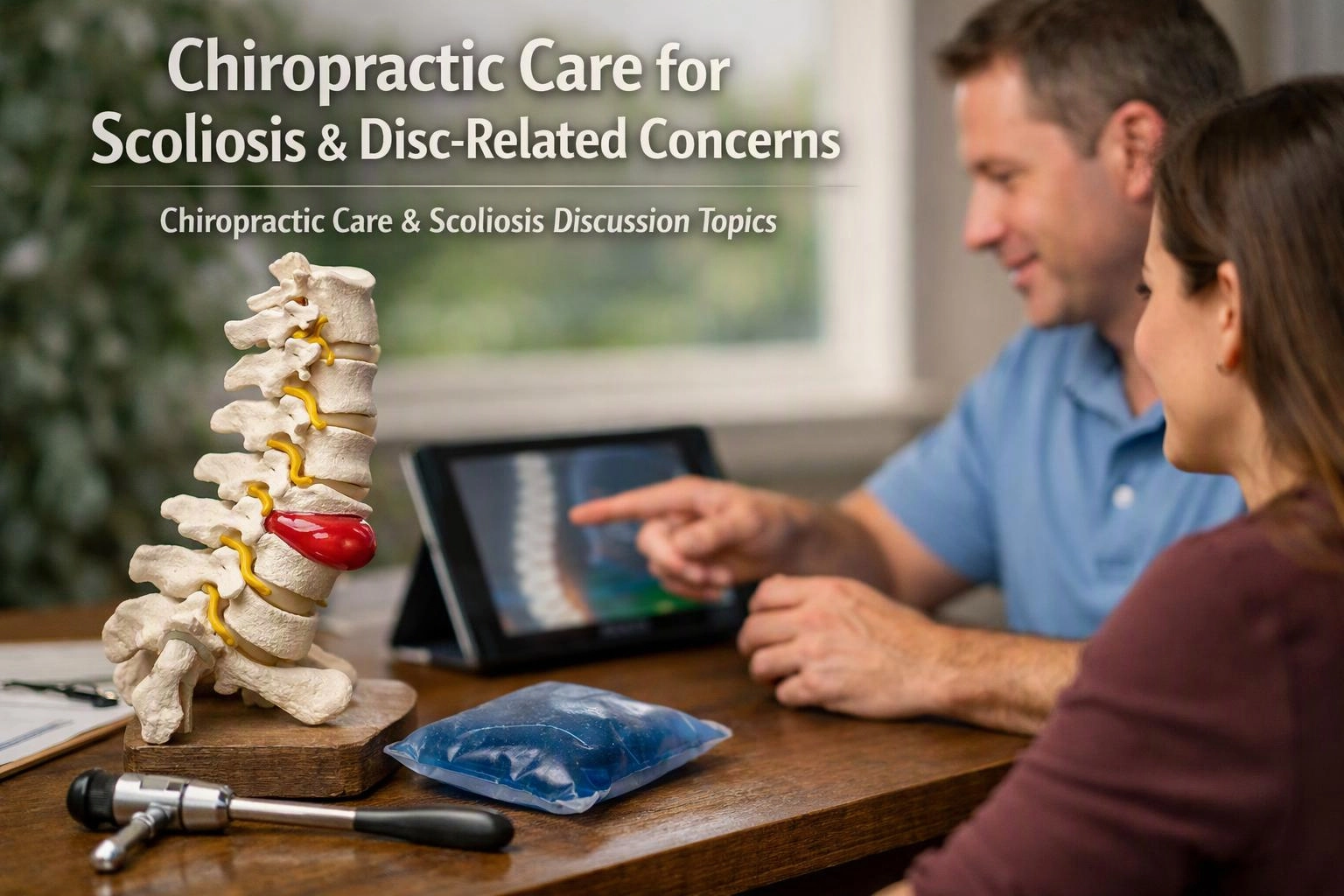
Chiropractic care for scoliosis should begin with a discussion of spinal curves, symptoms, movement limitations, prior evaluations, and whether additional medical assessment is needed. Arrowhead Clinic Chiropractor Newnan uses the consultation to understand how the spinal curve affects movement and daily comfort.
Scoliosis involves a change in spinal curvature that can affect the spine, pelvis, muscles, and surrounding joints. We review your symptom history and medical history before discussing whether conservative care fits your needs.
Important discussion topics include the location of discomfort, changes in posture, activities that increase symptoms, and any previous imaging or medical evaluation. We also consider whether a referral or additional evaluation would help guide safe care.
What Signs and Symptoms Can Accompany Scoliosis or Disc Concerns?
Back and neck symptoms can accompany scoliosis or disc concerns, but the pattern and severity help determine the next step. We ask how symptoms began, how they change with movement, and whether neurological symptoms are present.
Common signs and symptoms include:
We use these details to decide whether the symptoms fit a conservative musculoskeletal approach or call for medical referral.
How We Evaluate Scoliosis, Disc Symptoms, and Posture
Our team evaluates posture, movement, spinal alignment, and symptom patterns to decide whether chiropractic care fits the person’s needs and whether referral or additional evaluation should be considered.
A physical examination may include a posture assessment, range of motion testing, and observation of movement patterns. We look at how the spine, pelvis, and supporting muscles work together during simple movements.
We also ask about neurological symptoms, including numbness, tingling, radiating pain, and muscle weakness. These findings help us determine whether conservative care is appropriate and whether medical referral should be part of the plan.
When posture concerns are part of the problem, our approach may include movement guidance and posture correction strategies that support more comfortable daily activity.
What Causes or Contributes to Scoliosis and Disc-Related Symptoms?
Spinal curvature and disc-related symptoms can have different contributing factors, so we connect the reported symptoms with the examination findings. Our team uses that context to shape appropriate conservative care.
Common contributors include:
These factors do not identify the cause by themselves. We consider the full symptom history and movement assessment before recommending care.
How Can You Support Spinal Health and Posture?
Spinal health and posture can be supported by reducing avoidable strain and keeping movement comfortable and consistent. We help you connect daily habits with the symptoms found during your assessment.
Useful strategies include:
We adjust guidance to your symptoms, mobility, and goals. Stop an activity that causes increasing radiating pain, numbness, tingling, or weakness and contact us for direction.
How Can Chiropractic Care Relate to Herniated Discs and Sciatica?
Chiropractic care for herniated disc symptoms or sciatica focuses on the relationship between spinal movement, irritation, and radiating symptoms while screening for signs that require medical referral.
A herniated disc can irritate nearby tissues or a nerve root. Sciatica describes nerve-related symptoms that may travel from the lower back into the buttock or leg, including radiating leg pain.
We assess spinal mobility, movement patterns, and the way symptoms respond to position or activity. Our team may discuss conservative care when the findings support it, while watching for neurological changes that require medical evaluation.
Our Herniated Disc Treatment discussions focus on the person’s symptoms and examination findings. Care is not based on the label alone.
What Can You Expect When We Plan Care?
Arrowhead Clinic Chiropractor Newnan uses the consultation and assessment to explain relevant findings, discuss care options, and establish a plan that matches the person’s symptoms and goals; Free Consultations are available.
Our care-planning process generally includes:
We explain what we find in clear language and update the plan when your symptoms or goals change.
When Should Scoliosis or Disc Symptoms Receive Medical Attention?
Scoliosis or disc-related symptoms that include significant weakness, changing sensation, bowel or bladder changes, or severe worsening pain require prompt medical attention.
Progressive weakness or loss of sensation can signal a change that needs medical evaluation. Bowel or bladder changes with back symptoms also require urgent attention.
We screen for these warning signs during discussion and examination. When symptoms fall outside the scope of conservative care, we recommend medical referral and appropriate follow-up.
Common Questions About Chiropractic Care and Scoliosis
Scoliosis, disc-related concerns, sciatica, and posture problems can overlap, but each person needs an individual assessment. The questions below address common concerns about symptoms and next steps.
Questions About Scoliosis and Disc-Related Care
Can chiropractic care help with scoliosis-related discomfort?
Yes, chiropractic care may help manage scoliosis-related discomfort when assessment findings support conservative care. Arrowhead Clinic Chiropractor Newnan reviews spinal alignment, movement, posture, and symptom patterns before discussing appropriate options.
Can scoliosis cause sciatica symptoms?
Scoliosis can contribute to movement changes that are associated with sciatica-like symptoms, but radiating leg pain can have several causes. We assess the symptom pattern and neurological findings before deciding whether conservative care or medical evaluation is appropriate.
Can a herniated disc affect posture?
Yes, a herniated disc can affect posture when pain, stiffness, or nerve irritation changes how a person sits, stands, or walks. Our team evaluates movement patterns and spinal mobility to guide the next step.
What should I bring to a chiropractic discussion about scoliosis?
Bring a clear symptom history, a list of relevant medical conditions, information about prior evaluations, and any available imaging reports. Tell us about activities that increase symptoms and any numbness, tingling, or weakness.
When should back pain with numbness be medically evaluated?
Back pain with changing sensation, progressive weakness, bowel or bladder changes, or severe worsening pain should receive prompt medical evaluation. We can screen symptoms during a consultation and explain when medical referral is appropriate.
Contact us to discuss your symptoms, posture concerns, or questions about conservative care.
Get a Free Estimate