Glossary

What is Personal Injury Protection?

Personal Injury Protection is a type of car insurance coverage that pays for medical expenses, lost wages. And other related costs after a vehicle accident, regardless of who caused the crash. Personal Injury Protection is often called 'no-fault' insurance because it covers the policyholder and passengers without needing to determine fault first.

Reviewed by ChiropractorNewnan.comSources reviewed: Insurance Information Institute, Georgia Office of Insurance and Safety Fire Commissioner

Quick Facts About Personal Injury Protection

Category

Auto insurance coverage

Used for

Medical bills, lost wages. And accident-related expenses

Common confusion

Often mistaken for liability insurance, which covers other people’s injuries

Also called

PIP, No-Fault Insurance

Often discussed with

Personal Injury Chiropractic Care, Car Accident Injury Rehabilitation

Key Takeaways About Personal Injury Protection

Understanding Personal Injury Protection

Personal Injury Protection in Chiropractor: Personal Injury Protection is a type of car insurance coverage that pays—visua...

PIP is short for Personal Injury Protection. It is part of auto insurance. PIP helps pay for costs after a car crash.

Related glossary terms: Workers Compensation, Chiropractic, Acute Pain.

Liability insurance covers others if you cause a crash. PIP covers you and your passengers. It does not matter who caused the crash.

PIP is called "no-fault" coverage. You get benefits without proving who was at fault.

In some states, PIP covers medical costs. This includes hospital visits and doctor appointments. It also covers rehab services.

PIP may pay for lost wages. This happens if you can't work after an accident. Some policies cover childcare or cleaning too.

Benefits and limits depend on your policy. They also depend on state laws.

How Personal Injury Protection Works?

After an accident, you file a PIP claim. You file it with your own insurance company. They review the claim.

They pay for covered costs. They pay up to your policy’s limit. For example, a ,000 limit means they pay that much.

They cover medical bills and lost wages. They cover other costs too. After the limit, you may need other insurance.

Health insurance may help. The at-fault driver’s insurance may help too.

PIP is not required in every state. Some states, like Florida and New York, require it. They have no-fault insurance laws.

Other states, like Georgia, don’t require PIP. But insurance companies can offer it. You can choose to add it to your policy.

The cost varies. It depends on coverage limits. It also depends on the insurance company.

Why Personal Injury Protection Matters?
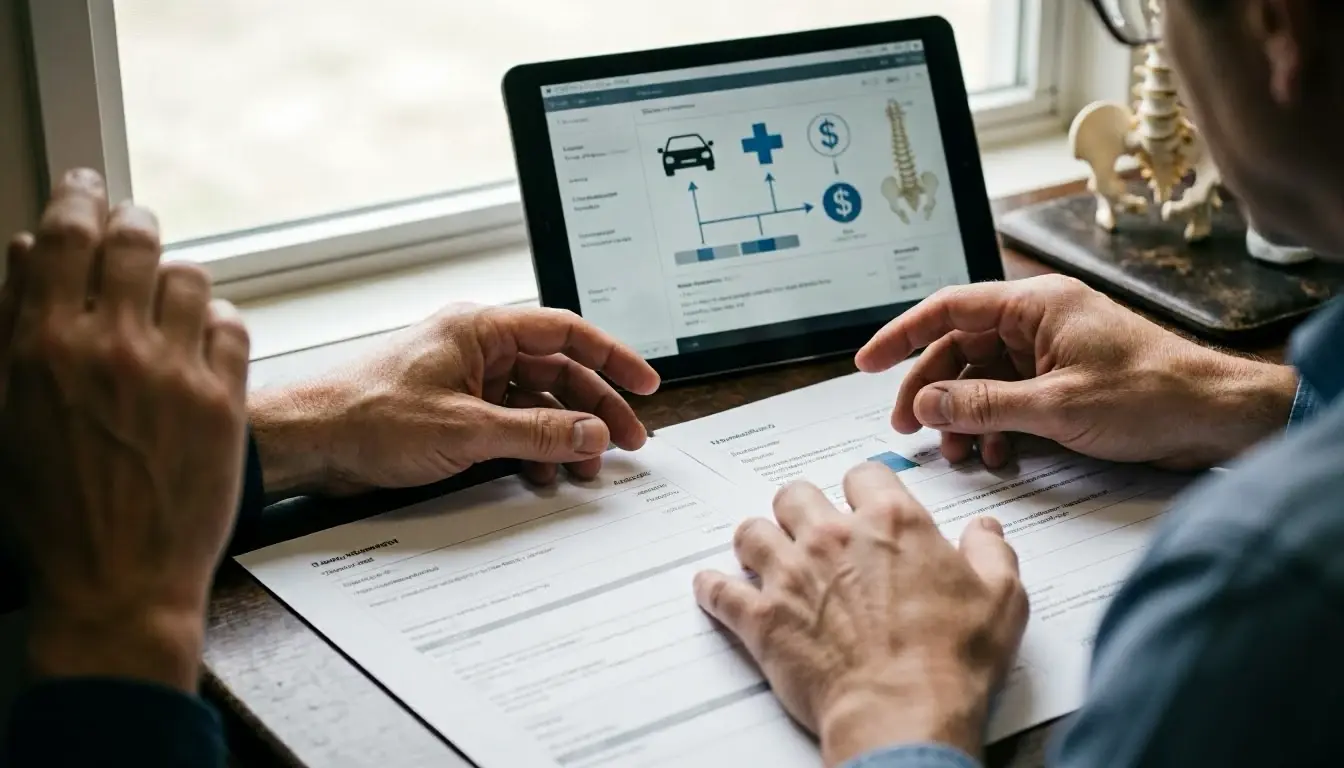
How Personal Injury Protection applies to Chiropractor services in Newnan, United States—practical illustration

PIP helps after a car accident. It covers medical bills fast. It also covers other costs.

Without PIP, you may wait for fault to be decided. This can delay medical care. PIP helps you get care right away.

This is important for serious injuries. Chiropractors and therapists may treat you. Emergency rooms may treat you too.

PIP can cover lost wages. This helps if you can’t work. It’s good for those who need their paycheck.

PIP can cover rides to doctor visits. It can cover help at home. These things help you recover.

When Personal Injury Protection Matters Most?

PIP is very important after a crash. It helps if injuries need ongoing care. It covers treatment costs.

Whiplash and back pain may need care. PIP can pay for chiropractic visits. It can pay for physical therapy too.

PIP helps if you can’t work. It can replace lost income. This helps for a short time.

PIP is optional in some states. You must decide if you want it. Think about your needs.

PIP is useful if you lack health insurance. It helps if your health plan has high costs. It covers medical bills without extra pay.

PIP helps if the other driver has no insurance. It gives you extra protection. This keeps you safe from big costs.
How to Evaluate Personal Injury Protection?

Related Concepts Compared

Personal Injury Protection vs. Liability Insurance

Liability insurance covers injuries to other people when the policyholder is at fault. While Personal Injury Protection covers the policyholder and passengers regardless of fault.

Personal Injury Protection vs. Medical Payments Coverage (MedPay)

Medical Payments Coverage only pays for medical expenses. While Personal Injury Protection also covers lost wages and other costs like childcare or household services.

Personal Injury Protection vs. Health Insurance

Health insurance covers medical expenses for illnesses and injuries. But it may not cover car accident-related costs as quickly or comprehensively as Personal Injury Protection.

Expert Note

Personal Injury Protection can be a valuable addition to auto insurance, especially for those without robust health coverage. However, policyholders should review their state laws and policy details to understand what is covered and whether PIP is the best option for their needs.

Common Mistakes or Myths About Personal Injury Protection

  • Assuming Personal Injury Protection is required in all states—it is only mandatory in some no-fault states.
  • Confusing PIP with liability insurance, which covers other people’s injuries, not your own.
  • Believing PIP covers property damage—it only covers medical expenses and related costs.
  • Not checking whether PIP covers chiropractic care or other specific treatments.

Personal Injury Protection in Practice: A Real-World Example

After a rear-end collision, Sarah suffered from neck pain and was unable to work for two weeks. Her Personal Injury Protection coverage paid for her chiropractic visits and replaced 80% of her lost wages, helping her focus on recovery without financial stress.

Related Services

Related Terms

Workers Compensation

Workers Compensation is a state-mandated insurance program that provides medical benefits, wage replacement. And rehabilitation services to employees who suffer job-related injuries or illnesses. Workers Compensation ensures injured workers receive prompt care without proving employer fault. While employers gain protection from lawsuits related to workplace injuries.

Chiropractic

Chiropractic is a healthcare profession focused on diagnosing and treating musculoskeletal disorders, particularly those related to the spine. Chiropractors use hands-on spinal manipulation and other alternative treatments to align the body’s musculoskeletal structure, aiming to enable the body to heal itself without surgery or medication. The practice emphasizes the relationship between the spine and nervous system and its impact on overall health.

Acute Pain

Acute Pain is sudden, sharp. Or intense discomfort that lasts for a short period, typically less than three to six months. Acute Pain serves as a warning signal from the body that injury, illness. Or tissue damage has occurred or may be occurring. It usually resolves once the underlying cause is treated or healed.

ChiropractorNewnan.com

Have Questions About Personal Injury Protection?

Contact ChiropractorNewnan.com for practical guidance on Personal Injury Protection and related chiropractor work in Newnan.

+1 770-692-1041