Glossary

What is Acute Pain?

Acute Pain is sudden, sharp. Or intense discomfort that lasts for a short period, typically less than three to six months. Acute Pain serves as a warning signal from the body that injury, illness. Or tissue damage has occurred or may be occurring. It usually resolves once the underlying cause is treated or healed.

Reviewed by ChiropractorNewnan.comSources reviewed: National Institute of Neurological Disorders and Stroke, American Chiropractic Association

Quick Facts About Acute Pain

Category

Short-term pain

Used for

Body’s warning signal

Common confusion

Mistaken for chronic pain, which lasts longer

Also called

Sudden Pain, Short-term Pain

Often discussed with

Chiropractic Consultation and Diagnosis, Work Injury Treatment

Key Takeaways About Acute Pain

Understanding Acute Pain
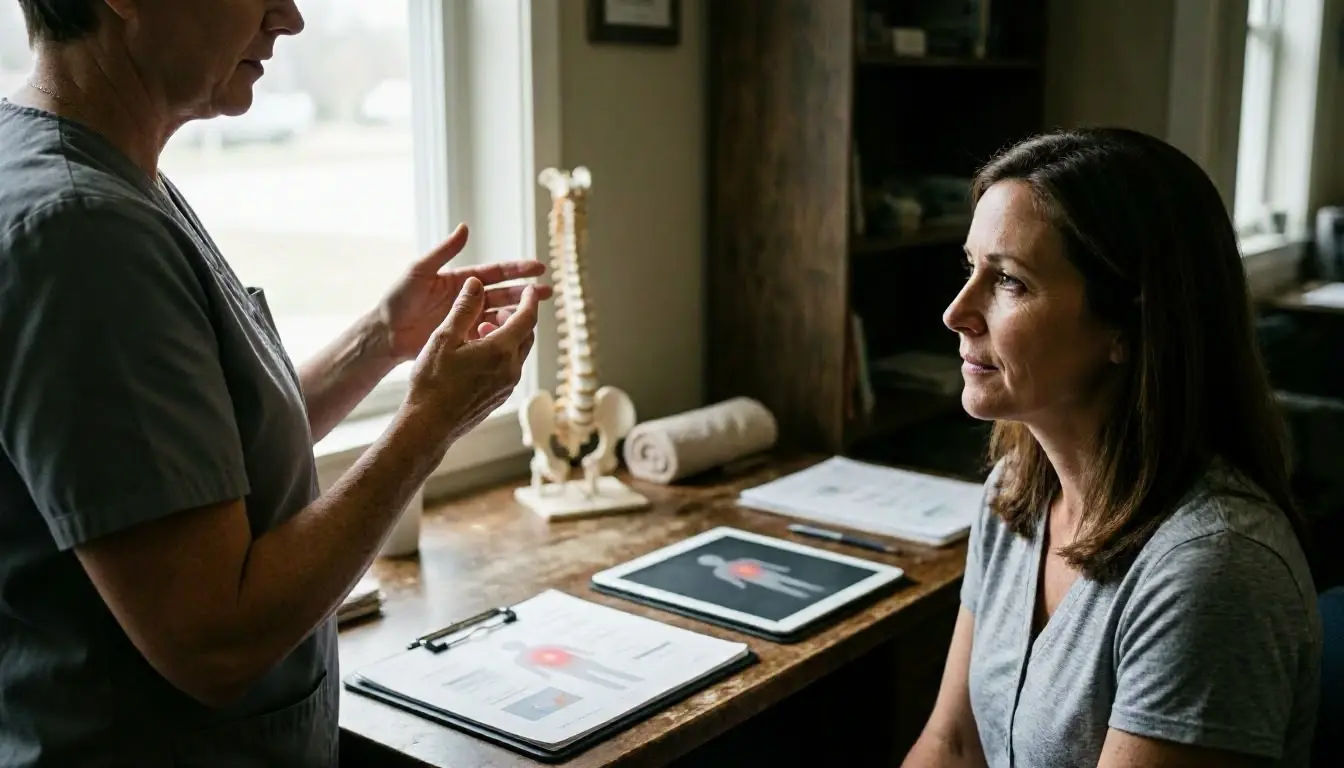
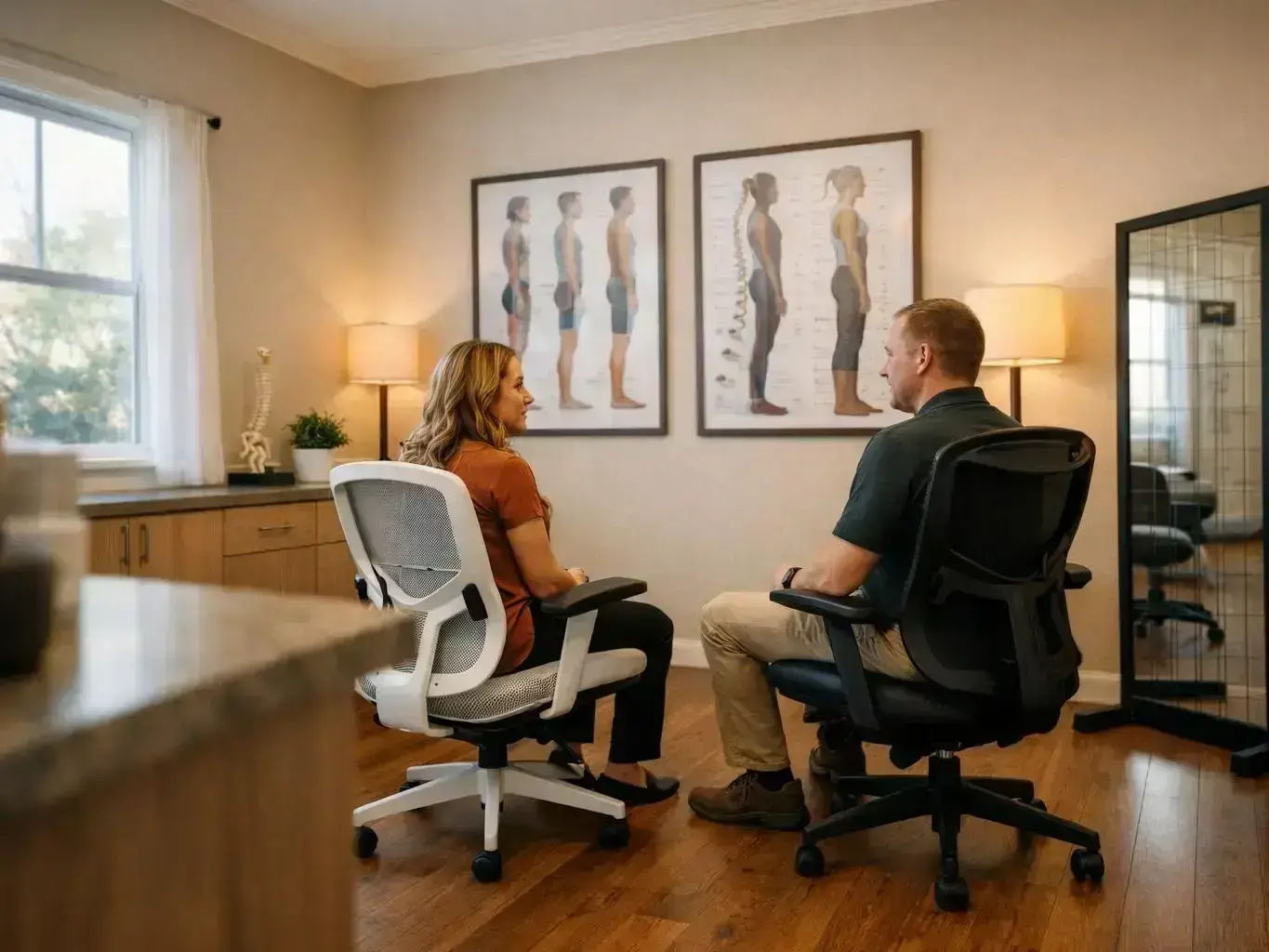
Acute Pain in Chiropractor: Acute Pain is sudden, sharp, Or intense discomfort that lasts for a—visual guide

Acute pain is your body's quick warning. It tells you something is wrong. This pain does not last forever.

Related glossary terms: Chronic Pain, Nerve Compression, Soft Tissue Therapy.

Chronic pain lasts for months or years. Acute pain is different. It comes from a clear cause, like a burn or a sprain.

Touch a hot stove. You feel sharp pain right away. That's acute pain telling your brain to move your hand.

A sprained ankle or broken bone hurts too. The pain says, "Stop! Let me heal." It fades as you get better.

How long it lasts depends on how bad the injury is. It also depends on how fast your body heals.

Acute pain can be mild or very strong. It may feel sharp, throb. Or burn. It often comes with other signs.

You might see swelling or redness. You may not be able to move well. This is common with injuries.

Acute pain is not fun. But it keeps you safe. Without it, you might not know you're hurt or sick.

For example, appendicitis starts with mild pain. Acute pain makes you go to the doctor. That can save your life.

How Acute Pain Works?

Special nerves feel harm. They are called nociceptors (pain sensors). They notice heat, pressure. Or chemicals.

These sensors send signals to your brain. The brain says, "Ouch!" You feel pain right away.

How strong the pain is depends on a few things. It depends on the injury and where it is. It also depends on you.

A small cut hurts a little for a short time. A broken bone hurts a lot longer. Swelling makes pain worse.

When you're hurt, your body sends chemicals. These cause swelling. They also make pain feel stronger.

Pain is worse in the first few days. It gets better as swelling goes down.

Doctors ask about your pain. They use a scale from 0 to 10. Zero means no pain. Ten means the worst pain ever.

You pick the number that matches your pain. This helps doctors know how bad it is. They can track if it's getting better.

Another tool uses faces. Each face shows a different pain level. This helps kids or people who can't talk well.

These tools help doctors decide what to do. You might need medicine or rest. Or you might need other help.

Why Acute Pain Matters?
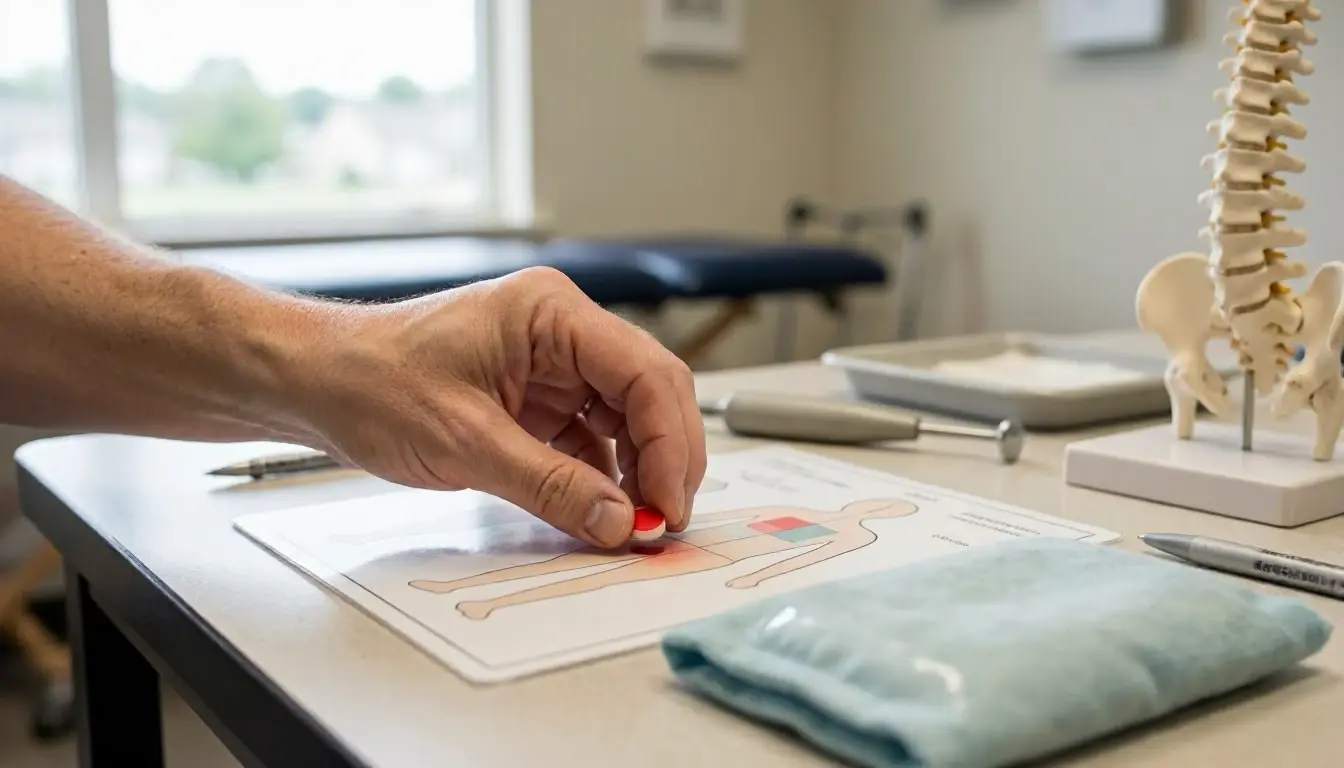
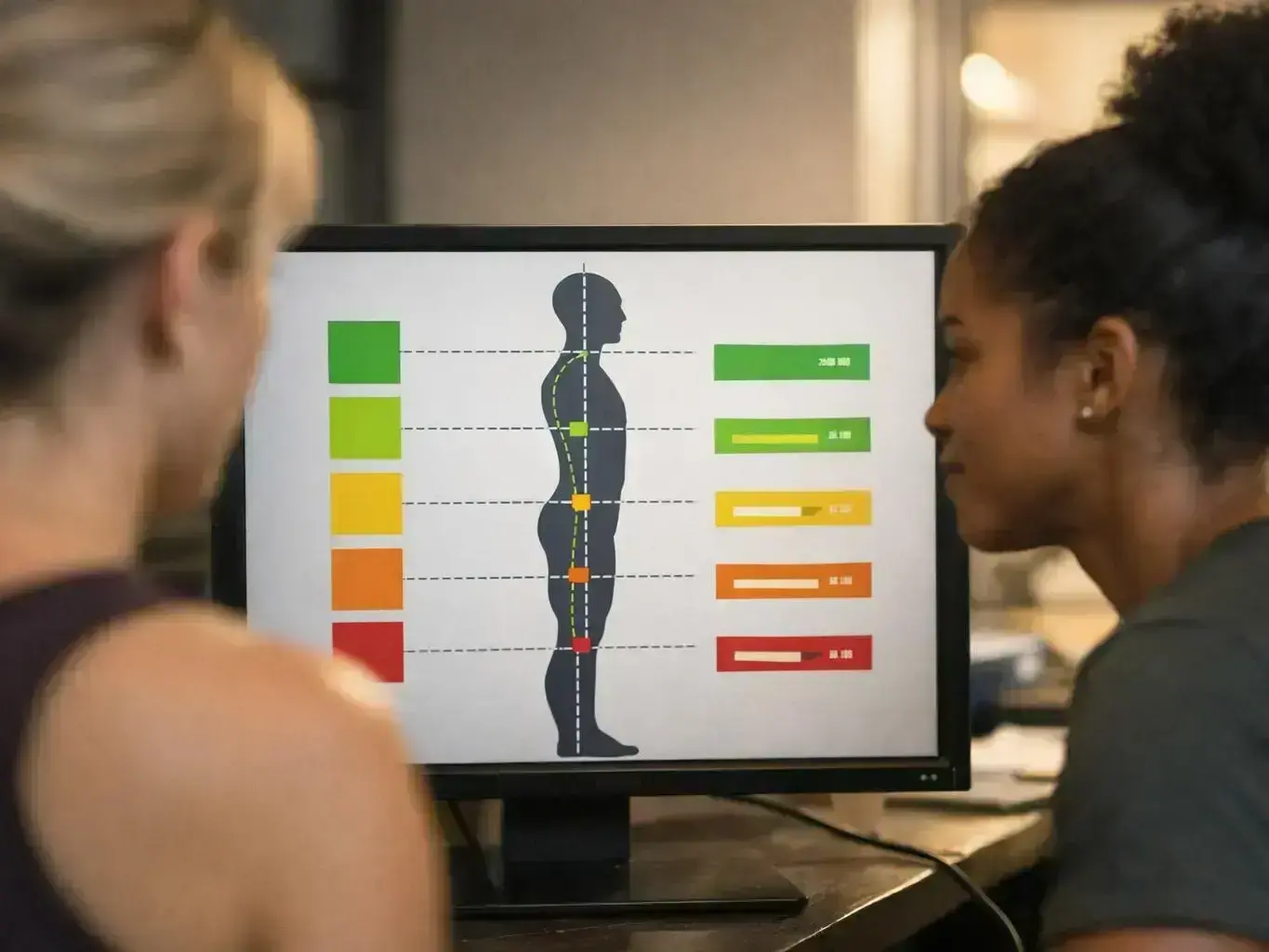
How Acute Pain applies to Chiropractor services in Newnan, United States—practical illustration

Acute pain does more than hurt. It keeps you from getting hurt worse. It tells you to stop what you're doing.

Walk on a sprained ankle. The pain says, "Stop!" That keeps you from hurting it more.

Lift something heavy with a bad back. The pain says, "Put it down!" This helps you heal.

If you ignore acute pain, bad things can happen. A small problem can turn into a big one. You might end up with chronic pain.

Pain can make it hard to work or sleep. That's not good for your health. Getting help early makes things better.

Rest, medicine. Or therapy can help. Chiropractic care is one kind of therapy. It can help your pain go away.

Knowing about acute pain helps you talk to doctors. You can get the right treatment. That helps you heal faster.

When Acute Pain Matters Most?

Acute pain is important after accidents. It tells you if something is badly hurt. You need to see a doctor fast.

A car crash or fall can cause broken bones. Pain tells you to get help. Waiting can make things worse.

Pain from infections is serious too. Appendicitis or a bad toothache needs quick care. That keeps you safe.

Pain matters after surgery too. Good pain control helps you heal. It lets you move and breathe better.

Bad pain can cause problems. It can lead to blood clots or pneumonia. That slows down healing.

Doctors make pain plans for you. They want you comfortable but safe. This helps you get better faster.

People in Newnan, GA should know when to get help. Chiropractors, therapists. Or doctors can help. That keeps you healthy.

Acute pain can remind you to move right. Sit with good posture. Lift things the right way.

Take breaks if you do the same task over and over. Wear shoes that support your feet. These things stop pain.

Know what causes your pain. Fix it early. That keeps you active and feeling good.

How to Evaluate Acute Pain?

Related Concepts Compared

Acute Pain vs. Chronic Pain

Chronic Pain lasts longer than three to six months and often persists even after the initial injury or illness heals. While Acute Pain is temporary and tied to a specific cause.

Acute Pain vs. Inflammation

Inflammation is the body’s response to injury or infection, often causing redness, swelling. And warmth. While Acute Pain is the sensation triggered by that inflammation.

Expert Note

Acute Pain is the body’s alarm system. But it doesn’t always mean serious damage. Mild Acute Pain, like a minor muscle strain, often resolves with rest and self-care. However, severe or worsening pain, especially with numbness or weakness, requires prompt evaluation to rule out serious conditions.

Common Mistakes or Myths About Acute Pain

  • Assuming all pain is chronic if it lasts more than a few days.
  • Ignoring Acute Pain, thinking it will go away on its own without addressing the cause.
  • Confusing Acute Pain with soreness from exercise, which usually resolves within 48 hours.
  • Overusing pain medication without seeking treatment for the underlying injury.

Acute Pain in Practice: A Real-World Example

After lifting a heavy box, a person feels a sharp pain in their lower back. The pain worsens with movement but improves after a few days of rest, ice. And over-the-counter pain relievers. This is Acute Pain signaling a muscle strain, which heals within weeks without further complications.

Related Services

Related Terms

Chronic Pain

Chronic Pain is persistent discomfort lasting three months or longer, often continuing even after the initial injury or illness has healed. Unlike short-term pain, chronic pain can affect daily activities, mood. And overall quality of life, requiring ongoing management rather than a quick cure.

Nerve Compression

Nerve Compression is a condition where a nerve is pressed, squeezed. Or pinched by surrounding tissues such as bones, muscles, tendons. Or discs. This pressure disrupts the nerve’s normal function, causing pain, numbness, tingling. Or weakness in the affected area. Nerve Compression often occurs in the spine, wrists. Or elbows and may result from injury, repetitive motion. Or poor posture.

Soft Tissue Therapy

Soft Tissue Therapy is a hands-on treatment method that targets muscles, tendons, ligaments. And fascia to reduce pain, improve mobility. And speed recovery. Soft Tissue Therapy uses manual pressure, stretching. And specialized techniques to break up scar tissue, ease tension. And restore normal function after injuries, overuse.

Spinal Manipulation

Spinal Manipulation is a hands-on therapy technique used by chiropractors and other healthcare providers to apply controlled force to a joint in the spine. This force helps improve spinal motion, reduce pain. And restore function by relieving pressure on nerves, muscles. And discs. The procedure often produces a popping or cracking sound due to gas releasing from the joint.

Herniated Disc

Herniated Disc is a spinal condition where the soft inner gel of a spinal disc leaks through a tear in its tough outer layer. This can press on nearby nerves, causing pain, numbness. Or weakness in the back, arms. Or legs. Herniated discs often occur in the lower back or neck and are sometimes called slipped or ruptured discs.

ChiropractorNewnan.com

Have Questions About Acute Pain?

Contact ChiropractorNewnan.com for practical guidance on Acute Pain and related chiropractor work in Newnan.

+1 770-692-1041