Adjustment is a controlled, precise force applied by a chiropractor to a specific joint in the spine or other body part to restore proper movement, reduce pain. And improve function. Adjustments are often accompanied by a popping or cracking sound caused by gas releasing from the joint, which is normal and harmless.
Category
Chiropractic technique
Used for
Joint pain, stiffness. And nerve irritation
Common confusion
Adjustments vs. Massage or bone-setting
Also called
Spinal adjustment, Chiropractic manipulation
Often discussed with
Chiropractic Consultation and Diagnosis, Personal Injury Chiropractic Care

An adjustment is a key chiropractic (back and joint) procedure. It's also called spinal manipulation. Chiropractors train for years to do it right.
Related glossary terms: Spinal Manipulation, Subluxation, Manual Therapy.
They learn the exact force, angle. And speed. They use these to move a joint safely. The goal isn't to crack bones.
The goal is to fix joint play. Joint play may be restricted. This can happen from injury, overuse. Or bad posture.
When a joint can't move right, muscles get upset. Nerves can get upset too. This can cause pain, stiffness. Or numbness.
Adjustments work on the spine most often. They can also work on shoulders, hips, knees. And more. The procedure usually doesn't hurt.
Some patients feel light pressure. Some hear a popping sound. This sound is called cavitation.
It happens when gas bubbles pop in the joint. It's like cracking your knuckles. It doesn't mean harm or damage.
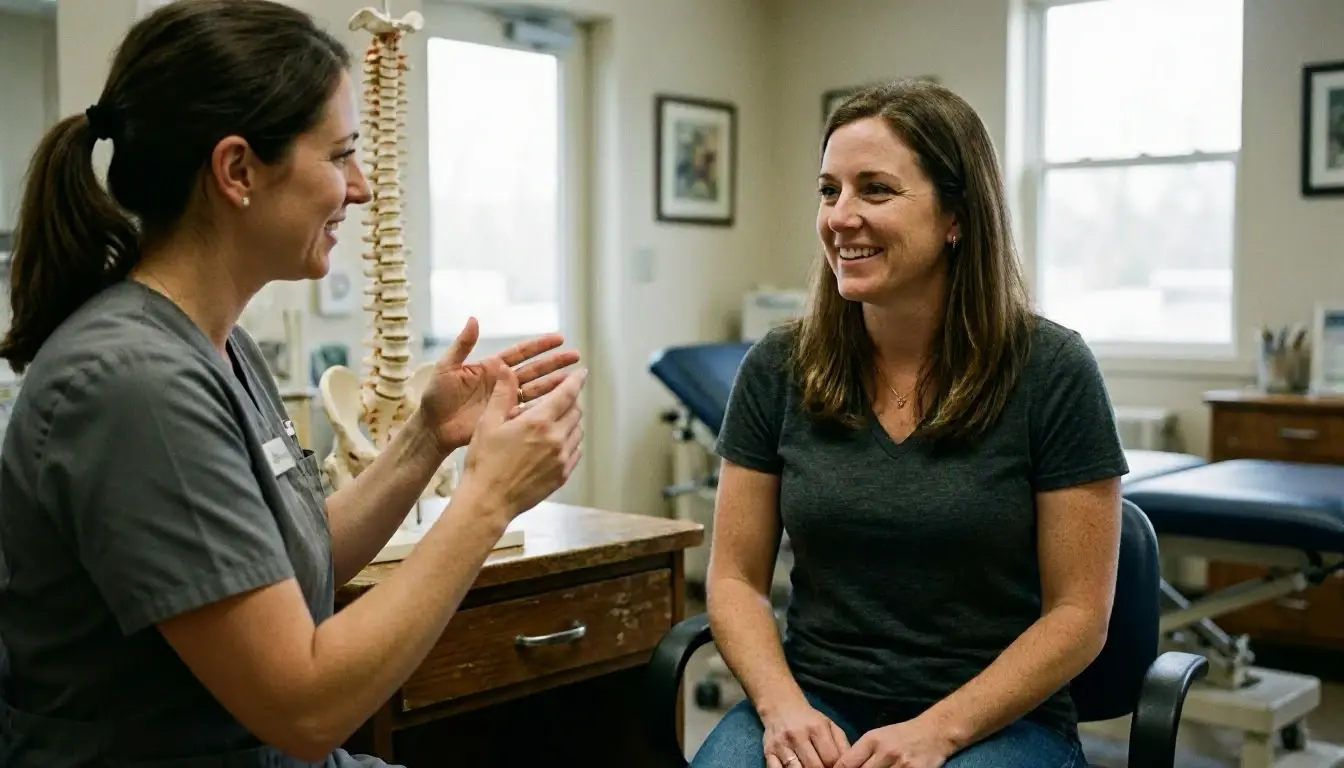
First, the chiropractor checks the joint. They see how well it moves. They find any problems.
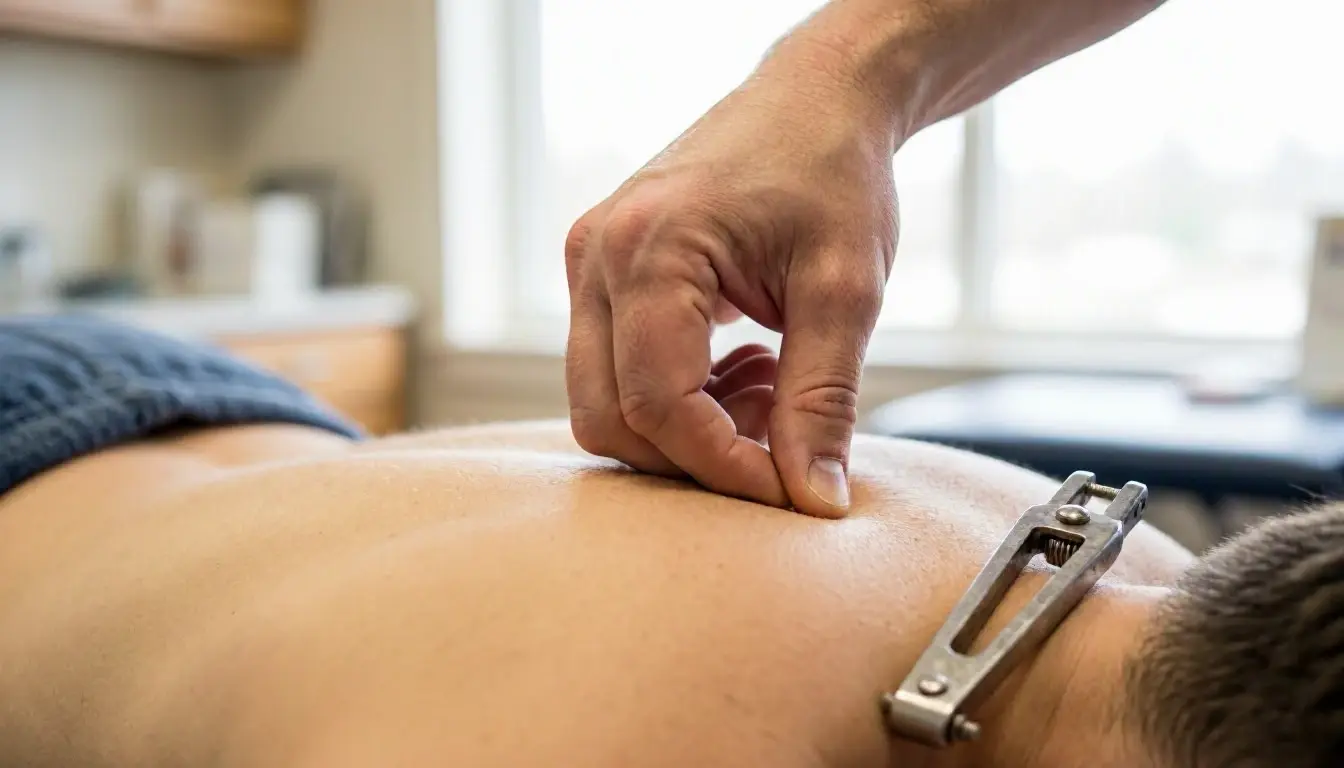
The patient lies on a soft table. The chiropractor gets ready. They use their hands or a small tool.
They give a quick, controlled push. This moves the joint a little. It stays within safe limits.
The push is just right. It restores movement. It won't cause injury.
Some adjustments use gentle methods. These use light pressure or stretching. They work well for some people.
They're good for kids or people with weak bones. They're also good for those who like soft touches.
No matter the method, the goal stays the same. It improves joint function. It helps the body heal.
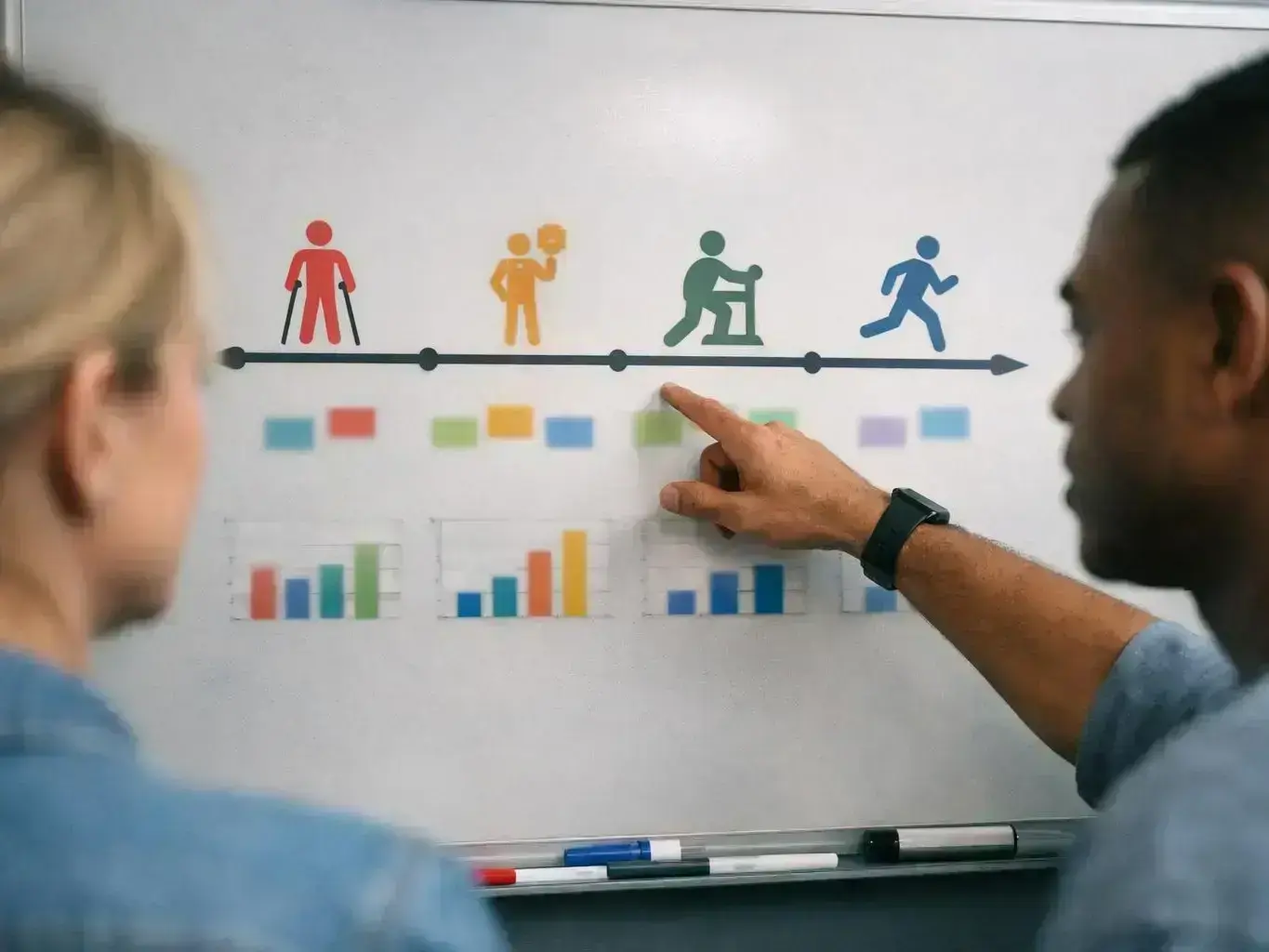
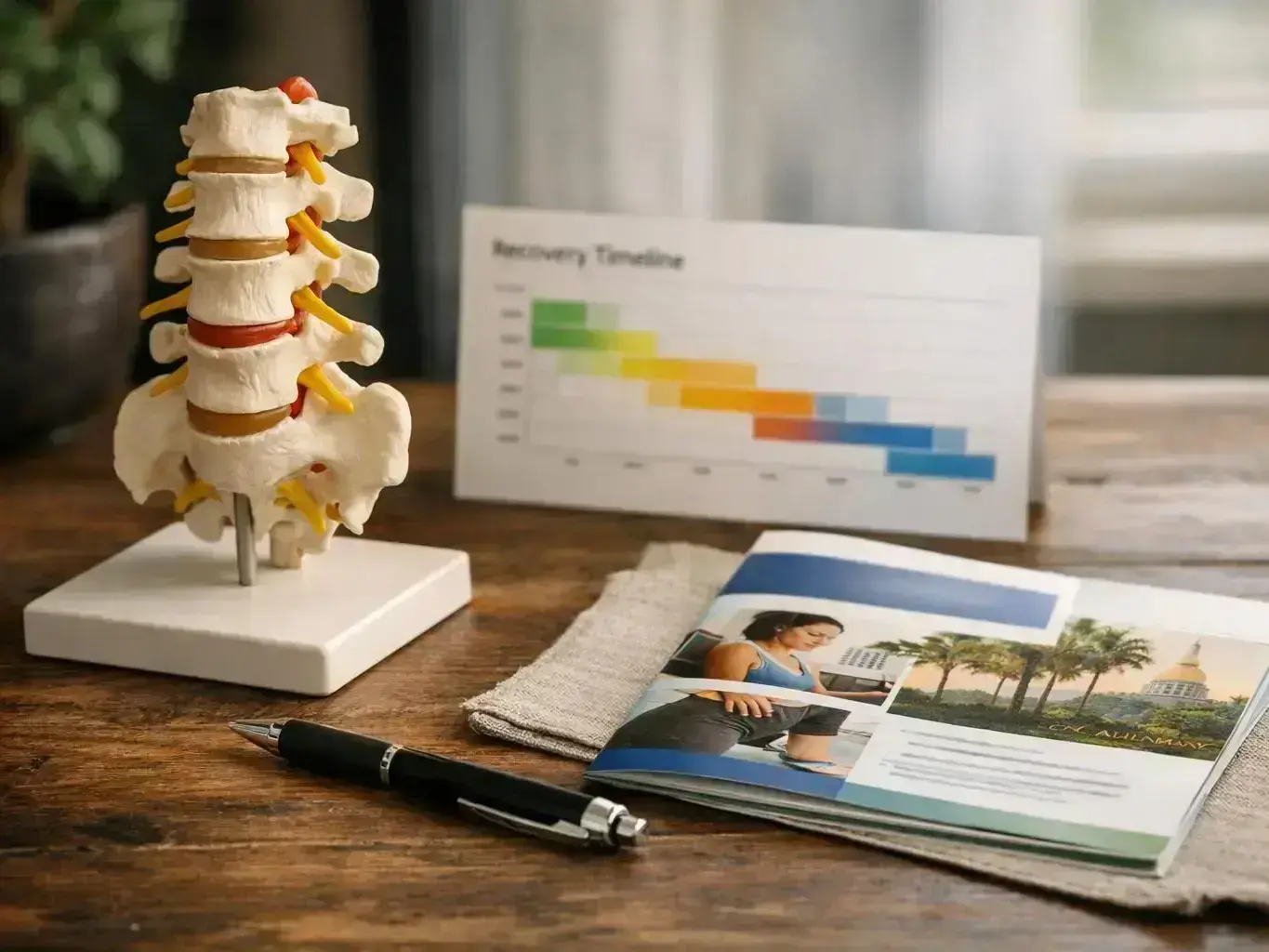
Many feel better right away. Some need more visits for lasting help.

Joints need to move right. This keeps you healthy. Bad movement can hurt your nerves.
Nerves control everything in your body. A stiff neck joint can cause headaches. A stiff back joint can cause sciatica.
Adjustments remove these blocks. This helps your body work better.
Studies show adjustments help with pain. They help with low back pain and neck pain. They can help with some headaches too.
The American College of Physicians says to try them first. They say this for sudden back pain.
Adjustments do more than stop pain. They help you bend and move easier. They help you stand straighter.
They can even help athletes. Free joints and strong muscles help them play better.
Adjustments help when joints cause trouble. Trouble can be pain or stiffness. It can be not moving enough.
They help after a car crash. They help after a sports injury. They help from daily work or strain.
People with arthritis may feel better too. Adjustments can ease joint stress.
Adjustments aren't just for pain. Athletes use them to stay in top shape. Office workers use them for sitting too long.
They work best with other treatments. These can be exercises or work changes. They can be other therapies too.
Always talk to a licensed chiropractor. They'll see if adjustments can help you.
Spinal manipulation is a broader term that includes adjustments but may also refer to techniques used by physical therapists or osteopaths. While adjustments specifically describe chiropractic techniques.
Massage targets muscles and soft tissues to relieve tension. While adjustments focus on joints to restore movement and reduce nerve irritation.
A subluxation is a partial dislocation or misalignment of a joint, often corrected by an adjustment. While the adjustment is the procedure used to fix it.
Adjustments are highly individualized. What works for one patient may not suit another. So chiropractors often combine techniques based on age, health. And specific joint issues. Always communicate discomfort or concerns during treatment.
After a long day of gardening, Sarah noticed stiffness and pain in her lower back. Her chiropractor performed an adjustment, applying a quick thrust to the restricted joint. Sarah heard a pop and immediately felt relief. Over the next few days, her pain decreased. And she could bend and move more easily.
Spinal Manipulation is a hands-on therapy technique used by chiropractors and other healthcare providers to apply controlled force to a joint in the spine. This force helps improve spinal motion, reduce pain. And restore function by relieving pressure on nerves, muscles. And discs. The procedure often produces a popping or cracking sound due to gas releasing from the joint.
Subluxation is a partial dislocation of a joint, particularly in the spine, where vertebrae shift out of their normal position but don't fully dislocate. This misalignment can irritate nerves, disrupt communication between the brain and body. And contribute to pain, stiffness. Or reduced function. Chiropractors identify and correct subluxations to improve mobility and overall health.
Manual Therapy is a hands-on treatment method used by healthcare providers, including chiropractors, to diagnose and treat musculoskeletal conditions. Manual Therapy involves skilled movements such as stretching, pressure. And joint mobilization to improve mobility, reduce pain. And restore function in muscles, joints. And soft tissues without surgery or medication.
Diversified Technique is the most widely used chiropractic adjustment method. It involves precise manual thrusts to restore joint motion, reduce pain. And improve spinal function. Chiropractors use their hands to apply controlled force to misaligned vertebrae or joints, often producing a popping sound called cavitation.
Thompson Drop Technique is a chiropractic adjustment method that uses a specialized table with padded sections that drop slightly when the chiropractor applies a quick thrust to the spine or joints. This gentle drop helps reduce the force needed while improving the effectiveness of the adjustment, making it comfortable for patients of all ages.
ChiropractorNewnan.com
Contact ChiropractorNewnan.com for practical guidance on Adjustment and related chiropractor work in Newnan.