Glossary

What is Manual Therapy?

Manual Therapy is a hands-on treatment method used by healthcare providers, including chiropractors, to diagnose and treat musculoskeletal conditions. Manual Therapy involves skilled movements such as stretching, pressure. And joint mobilization to improve mobility, reduce pain. And restore function in muscles, joints. And soft tissues without surgery or medication.

Reviewed by ChiropractorNewnan.comSources reviewed: American Chiropractic Association, National Institutes of Health - Manual Therapy for Pain

Quick Facts About Manual Therapy

Category

Physical rehabilitation technique

Used for

Pain relief, mobility improvement, injury recovery

Common confusion

Often mistaken for massage. But focuses on joints and nerves too

Also called

Hands-on Therapy, Manual Manipulation

Often discussed with

Chiropractic Consultation and Diagnosis, Sports Injury Chiropractic Care

Key Takeaways About Manual Therapy

Understanding Manual Therapy
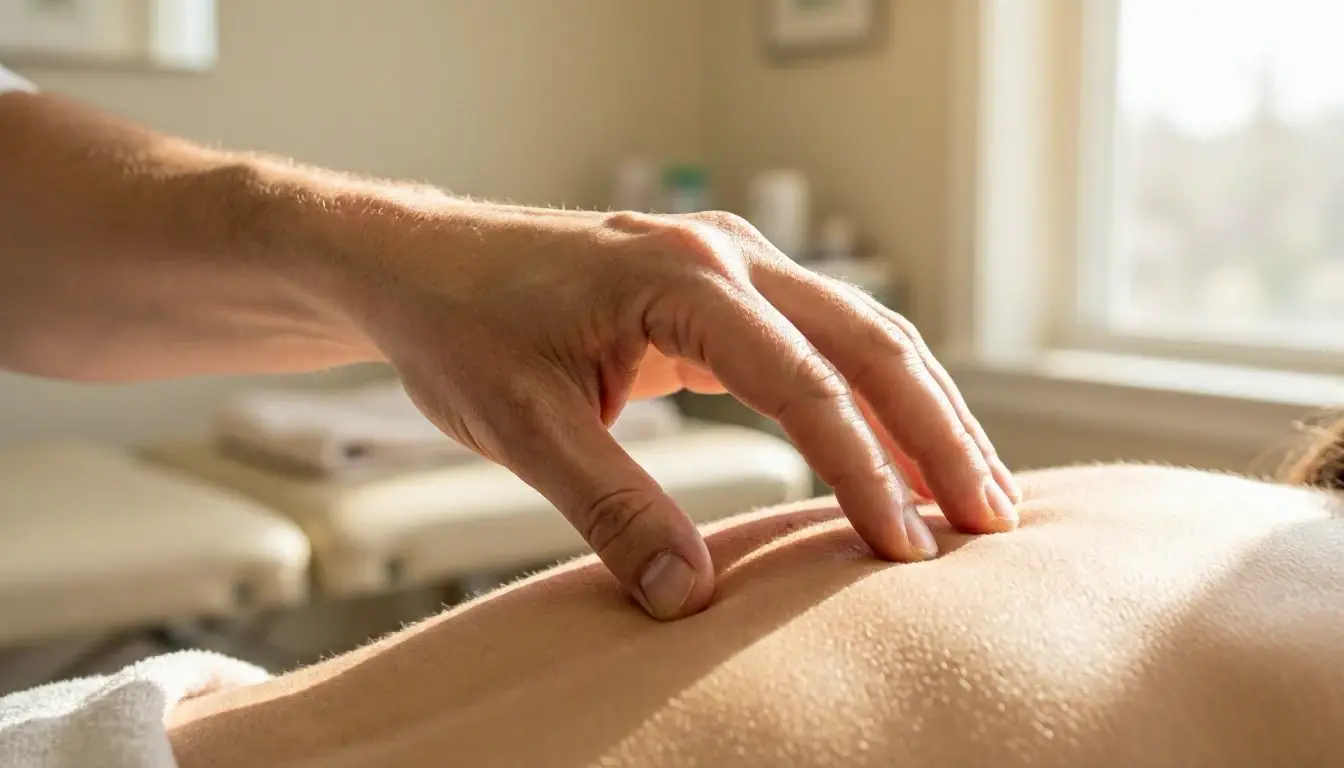
Manual Therapy in Chiropractor: Manual Therapy is a hands-on treatment method used by healthcare providers, including—visu...

Manual Therapy is a special kind of physical treatment. A trained provider uses their hands for it.

Related glossary terms: Adjustment, Myofascial Release, Soft Tissue Therapy.

They apply pressure, move joints. And stretch muscles. This helps with stiffness, pain. Or tightness.

It's not surgery or medicine. It uses skilled touch to find and fix problems.

You'll find it in chiropractic care (back and joint help). It's also in physical therapy and sports medicine.

It helps people heal from injuries. It also helps with long-term pain or movement issues.

This treatment works on muscles, ligaments (tough fibers). And joints. These can get tight or hurt.

They may get out of place. This can happen from injury, overuse. Or bad posture.

Manual Therapy helps them move normally again. It eases tension and helps healing.

Chiropractic adjustments (joint fixes) are one type. But there are more methods.

These include soft tissue work (muscle massage) and joint glides (gentle moves).

Muscle energy techniques (stretches) are also used. This makes it useful for many problems.

How Manual Therapy Works?

Manual Therapy works on areas that hurt or won't move. The provider checks these spots first.

They feel for tightness or stiffness. They also look for joints that are out of place.

Then they use methods to help. These include joint moves to work better.

They use soft tissue work (muscle and tendon pressure). They may also use stretching.

This helps restore normal motion. It also cuts down on pain.

Take a stiff neck from sitting too long. A chiropractor can help with this.

They gently move the neck joints. They stretch the muscles around it.

This loosens tight spots. It helps blood flow better.

It also eases nerve irritation. The methods depend on the problem.

But the goal is always the same. It's to help you move naturally again.

It also relieves pain. No surgery is needed.

Manual Therapy often works with exercises. This boosts results and stops future issues.

Research shows it works for back pain and headaches. It also helps neck pain.

Studies say it cuts pain. It improves how well you move.

It can even lower the need for pain medicine. The provider adjusts pressure as they work.

This makes it a personal treatment. It changes based on how you respond.

Why Manual Therapy Matters?
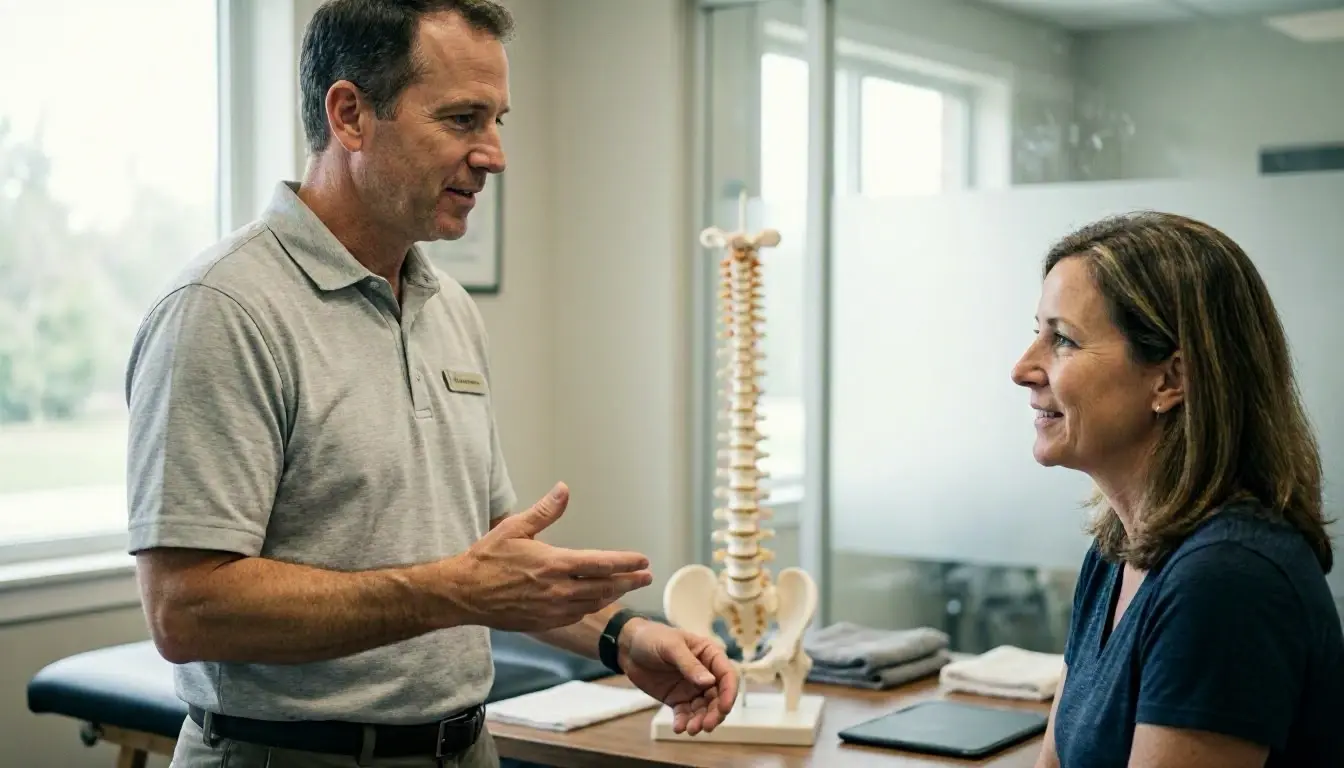
How Manual Therapy applies to Chiropractor services in Newnan, United States—practical illustration

Manual Therapy matters because it helps without drugs or surgery. It eases pain that affects daily life.

Many people have back pain or stiff joints. Some have tight muscles.

These can make work or exercise hard. They can even make simple tasks tough.

Manual Therapy offers a safe way to help. It lets people move better and feel better.

A big plus is it fixes the real cause of pain. It doesn't just hide symptoms.

Say someone gets headaches often. Tight neck or jaw muscles may cause them.

Manual Therapy can ease this tightness. This gives long-term relief.

Patients often feel better right away. This can help them stick with treatment.

When Manual Therapy Matters Most?

Manual Therapy helps with muscle or joint pain. It also helps with stiffness or injuries.

It's good for car accidents, sports injuries. Or work strains. It helps with arthritis or sciatica too.

People can avoid surgery with it. It cuts down on pain medicine use.

Take a herniated disc (a back problem). It can cause sharp pain.

It can also limit movement. Manual Therapy can help.

It gently moves the spine. This eases pressure on the disc.

It also loosens tight muscles. Athletes with ankle or shoulder sprains can use it too.

It helps them move better again. It also stops stiffness.

Each patient gets their own plan. This makes it work for many problems.

In Newnan, GA, chiropractors and therapists use Manual Therapy. They help with injuries and pain.

It works for new or long-term problems. It's safe and helps healing.

It also boosts well-being.
How to Evaluate Manual Therapy?

Related Concepts Compared

Manual Therapy vs. Massage Therapy

Massage Therapy focuses primarily on relaxing muscles and improving circulation. While Manual Therapy targets joints, nerves. And movement restrictions to restore function and reduce pain.

Manual Therapy vs. Spinal Manipulation

Spinal Manipulation is a specific type of Manual Therapy that involves quick, targeted movements to adjust the spine. While Manual Therapy includes a broader range of hands-on techniques for muscles, joints. And soft tissues.

Manual Therapy vs. Physical Therapy

Physical Therapy is a broader field that includes exercises, education. And modalities like ultrasound. While Manual Therapy is a hands-on technique often used within physical therapy to address specific movement problems.

Expert Note

Manual Therapy is most effective when combined with active patient participation, such as prescribed exercises or posture corrections. While hands-on techniques provide immediate relief, long-term results depend on addressing underlying habits or weaknesses that contribute to the problem.

Common Mistakes or Myths About Manual Therapy

  • Assuming Manual Therapy is the same as massage—it includes joint and nerve techniques too.
  • Expecting immediate, permanent results after one session—it often takes multiple visits.
  • Choosing a provider without proper training, which can lead to ineffective or unsafe treatment.
  • Ignoring exercises or lifestyle changes recommended alongside Manual Therapy, limiting long-term benefits.
  • Believing Manual Therapy can fix structural problems like severe arthritis or fractures without additional care.

Manual Therapy in Practice: A Real-World Example

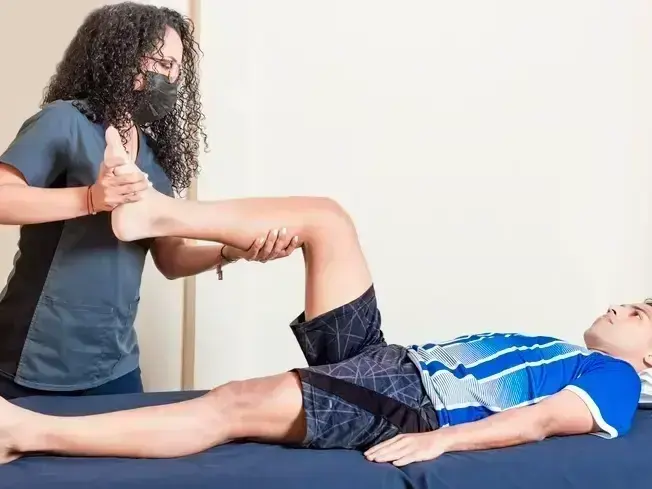
A runner with tight hamstrings and lower back pain visits a chiropractor in Newnan, GA. The chiropractor uses Manual Therapy to stretch the hamstrings, mobilize the lower back joints. And release tension in the surrounding muscles. After a few sessions, the runner experiences less pain and improved flexibility, allowing them to return to training without discomfort.

Sources & Further Reading on Manual Therapy

Related Services

Related Terms

Adjustment

Adjustment is a controlled, precise force applied by a chiropractor to a specific joint in the spine or other body part to restore proper movement, reduce pain. And improve function. Adjustments are often accompanied by a popping or cracking sound caused by gas releasing from the joint, which is normal and harmless.

Myofascial Release

Myofascial Release is a hands-on therapy that gently stretches and loosens the fascia, the thin layer of connective tissue surrounding muscles, bones. And organs. This technique aims to relieve tension, improve mobility. And reduce pain by addressing tightness or restrictions in the fascia caused by injury, inflammation. Or poor posture. It is often used alongside other treatments to help restore movement and comfort.

Soft Tissue Therapy

Soft Tissue Therapy is a hands-on treatment method that targets muscles, tendons, ligaments. And fascia to reduce pain, improve mobility. And speed recovery. Soft Tissue Therapy uses manual pressure, stretching. And specialized techniques to break up scar tissue, ease tension. And restore normal function after injuries, overuse.

Spinal Manipulation

Spinal Manipulation is a hands-on therapy technique used by chiropractors and other healthcare providers to apply controlled force to a joint in the spine. This force helps improve spinal motion, reduce pain. And restore function by relieving pressure on nerves, muscles. And discs. The procedure often produces a popping or cracking sound due to gas releasing from the joint.

Trigger Point Therapy

Trigger Point Therapy is a manual treatment technique used to relieve pain and muscle tension by applying focused pressure to specific tight areas, called trigger points, within muscle tissue. These points often cause referred pain, meaning discomfort in other parts of the body. The therapy aims to release tension, improve blood flow. And restore normal muscle function without surgery or medication.

ChiropractorNewnan.com

Have Questions About Manual Therapy?

Contact ChiropractorNewnan.com for practical guidance on Manual Therapy and related chiropractor work in Newnan.

+1 770-692-1041