Understanding Trigger Point Therapy
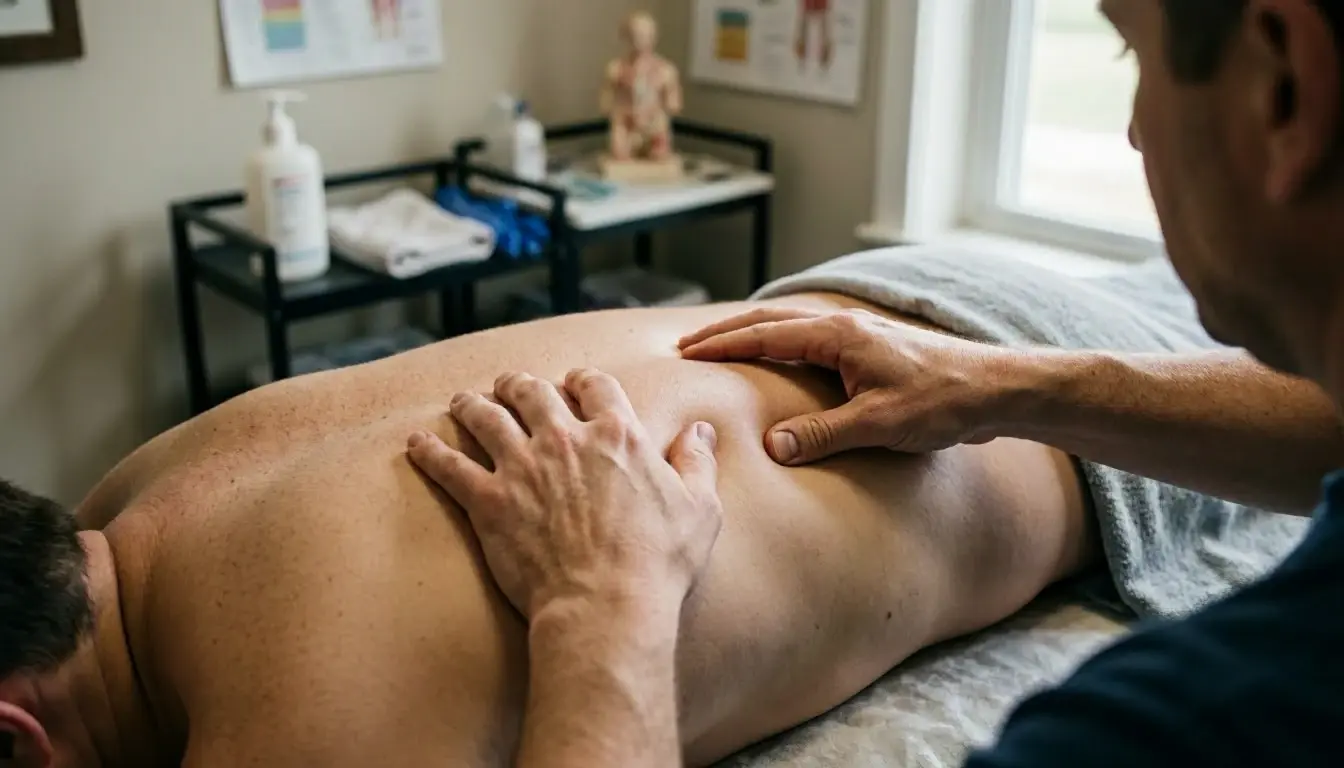
Trigger Point Therapy helps painful knots in muscles. These knots are called trigger points. They form when muscles get hurt or stressed.
Related glossary terms: Myofascial Release, Soft Tissue Therapy, Chronic Pain.
Massage works on big muscle areas. But this therapy hits exact spots. These spots can cause pain in other body parts.
A knot in your shoulder might give you a headache. It could also hurt your neck. That's called referred pain.
Knots come from doing the same moves over and over. Bad posture or injuries can cause them too. Stress also makes them form.
They feel like small, sore lumps in the muscle. They can make you stiff. They might stop you from moving well.
The therapy pushes on these knots. This helps muscles relax. It also helps blood flow better.
Blood flow helps healing. It cuts down swelling. The push might hurt at first. But most people feel better soon.
How Trigger Point Therapy Works?
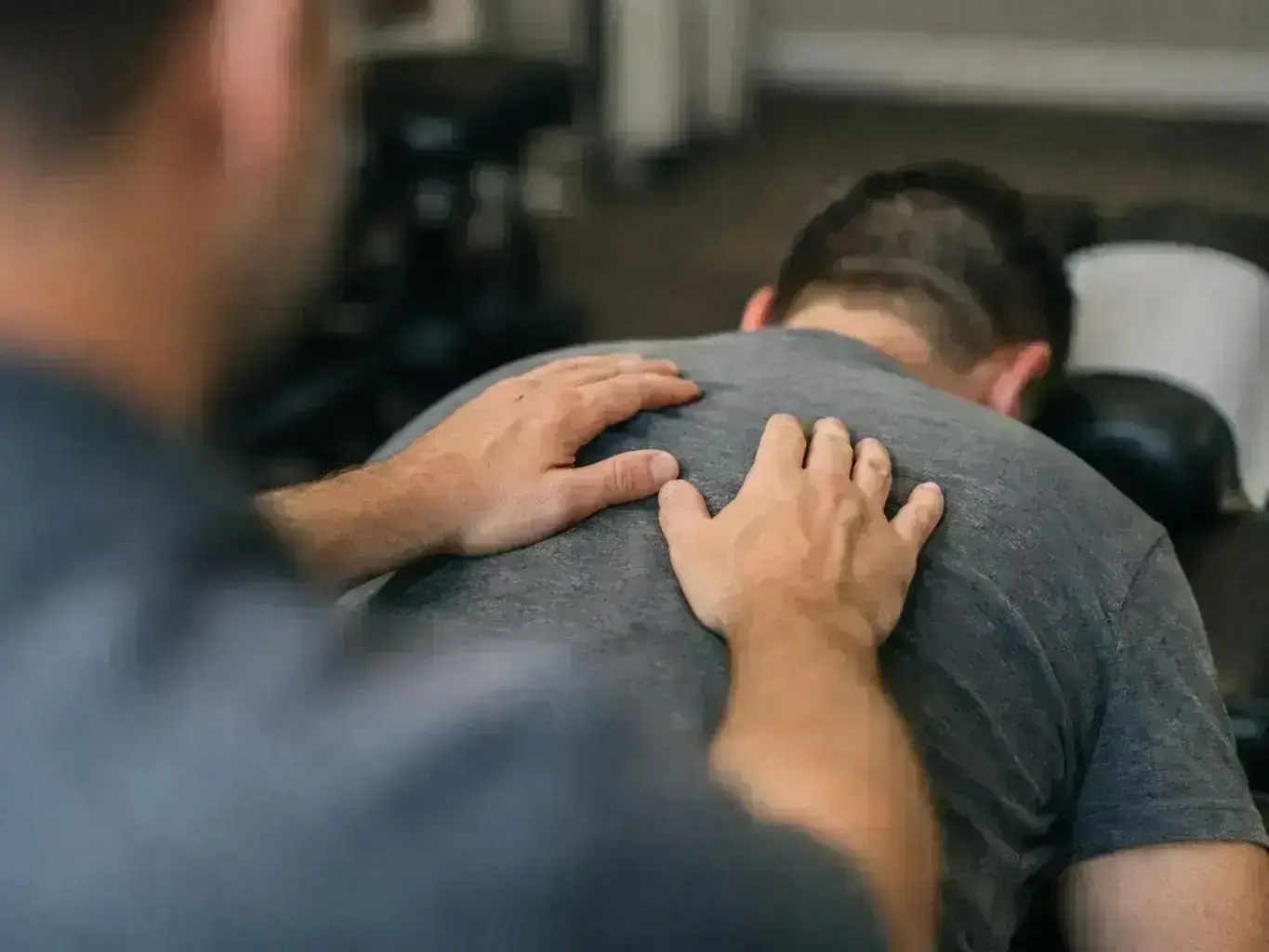
The therapist starts by finding the knots. They use touch and your feedback. They look for tight or sore spots.
They press on the knots with fingers or tools. They hold the push for a few seconds. Sometimes they hold it for a minute.
The muscle starts to relax. It might feel like it's melting. That means it's working.
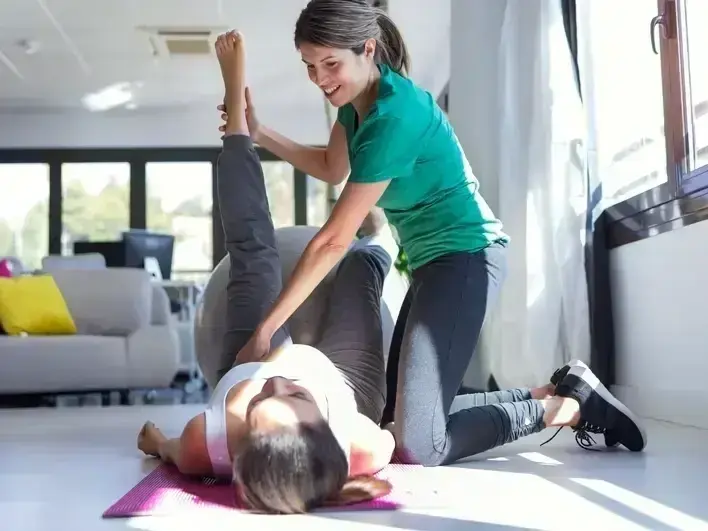
The therapist might stretch the muscle too. This helps it go back to normal. It feels gentle.
Trigger Point Therapy often works with other treatments. It can work with chiropractic (back) care. It can work with stretches too.
Sessions last 30 to 60 minutes. It depends on how many knots you have. Some feel better after one visit.
Others need a few visits. It helps with long-term muscle tightness. It doesn't use medicine. That's why many people like it.
Why Trigger Point Therapy Matters?
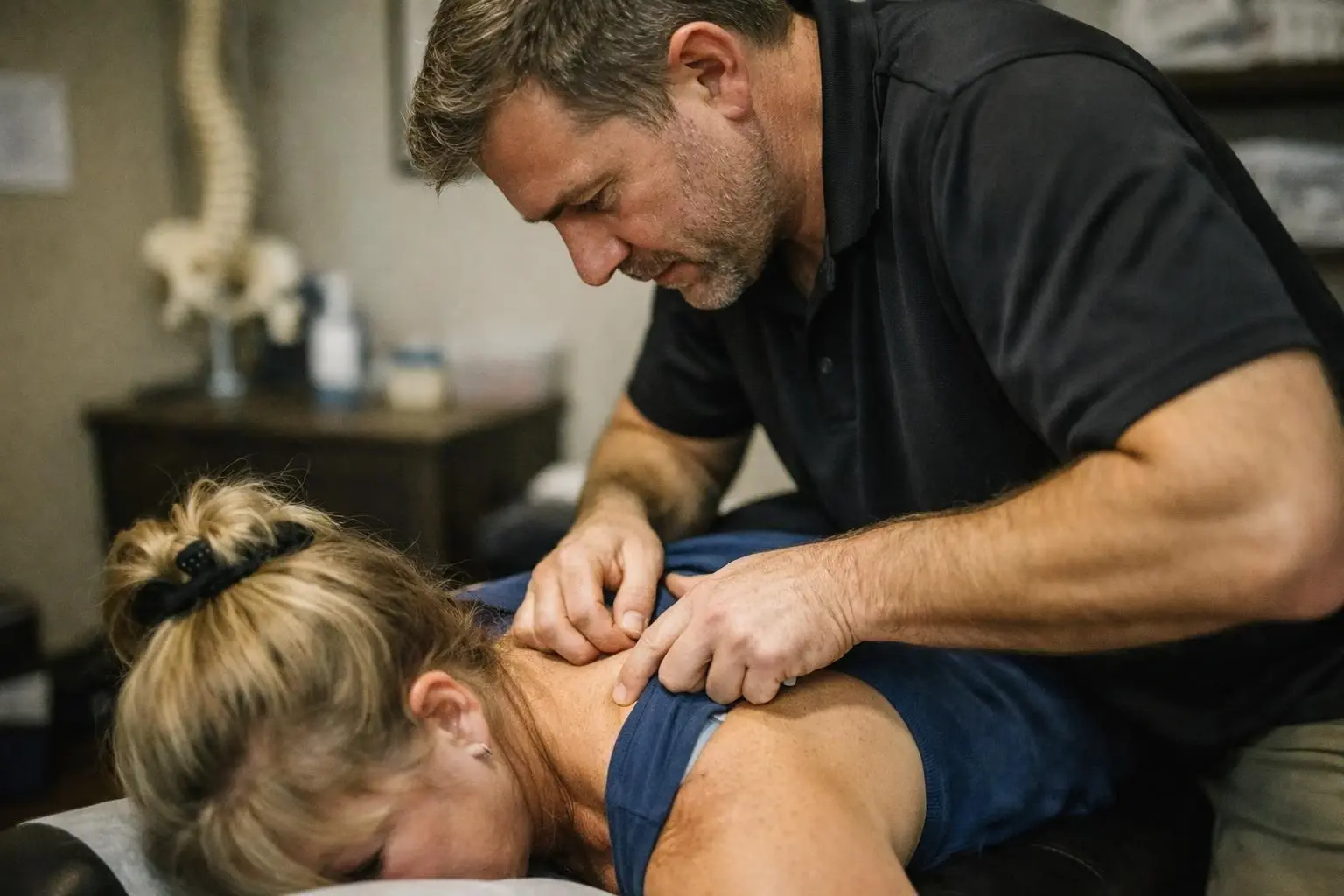
Muscle pain makes daily tasks hard. Sitting or standing can hurt. Moving can feel bad too.
This therapy helps by fixing the real problem. It works on tight, tired muscles. It doesn't just hide pain with pills.
It helps muscles work right again. It makes you more flexible. It cuts pain where you feel it and other places too.
People with headaches or back pain like this therapy. It helps with injuries from doing the same thing too much.
It helps athletes too. It keeps muscles loose. That stops injuries before they happen.
It doesn't need surgery or pills. So it's safe for many people. It's good for those who want no-drug treatments.
When Trigger Point Therapy Matters Most?
This therapy helps with muscle pain in one spot. It helps with stiffness too. It can help if you can't move well.
It helps after injuries. It helps with long-term pain. It helps with pain from bad posture.
People who sit a lot get knots in their neck. They get them in shoulders too. People who lift or work hard get them in their back.
It helps if massage didn't fix your pain. Massage works on big areas. But this therapy works on exact sore spots.
Knots can cause headaches or jaw pain. They can cause sciatica (leg pain). Fixing knots helps more than general treatments.
But it's not for everyone. People with very weak bones may not try it. People with blood clots shouldn't either.
A trained pro can tell if it's right for you. They check your health. Then they decide.