Understanding Atlas Orthogonal
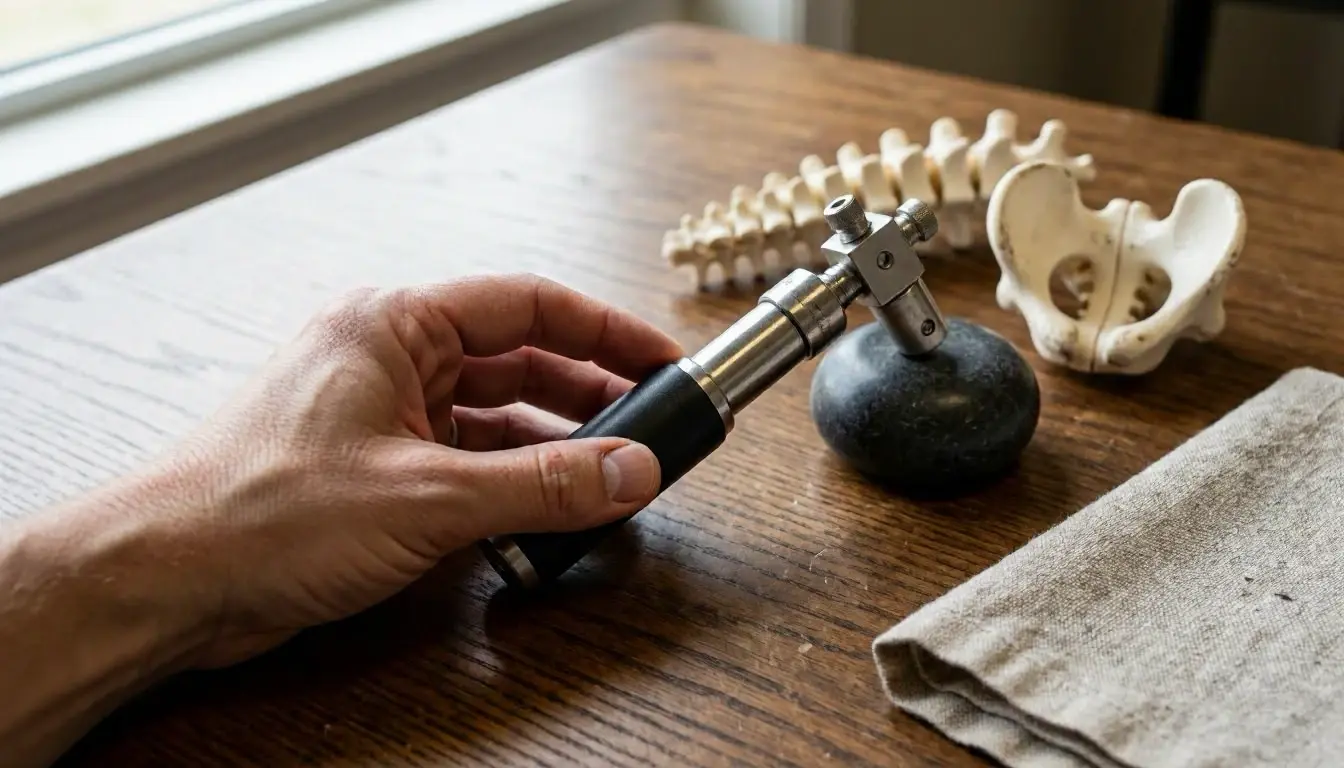
Atlas Orthogonal is a special chiropractic (back doctor) method. It focuses on the atlas bone. This is the first bone in your neck. It holds up your skull.
Related glossary terms: Chiropractic, Spinal Manipulation, Subluxation.
The atlas bone surrounds the brainstem. It sends nerve signals to your whole body. Even a small problem here can cause headaches. It can also cause neck stiffness or dizziness.
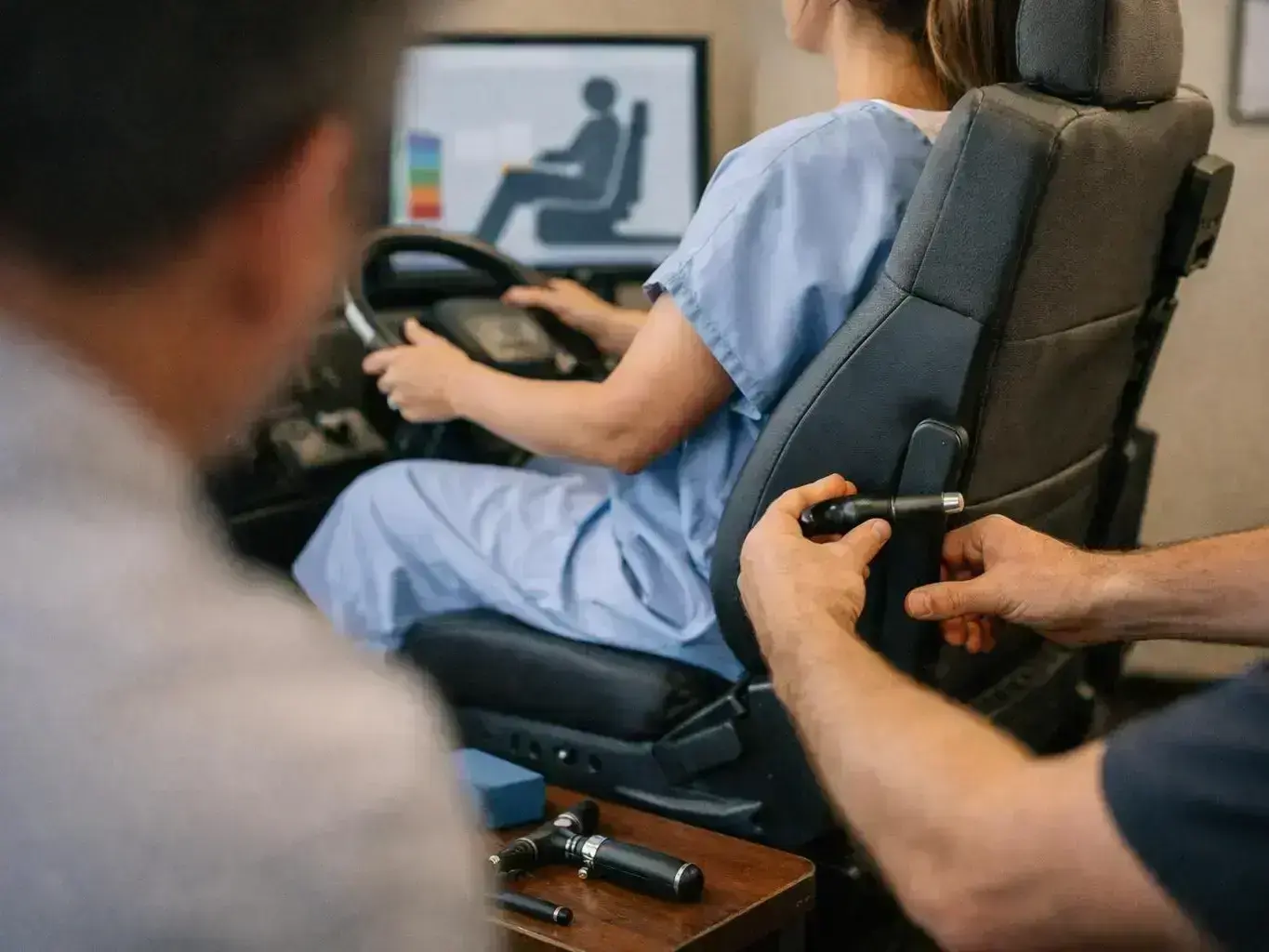
Most chiropractors use their hands to adjust your spine. Atlas Orthogonal does not. It uses a small tool. This tool gives a gentle push. It moves the atlas back where it should be.
The push makes a sound wave. It moves the bone without twisting. It also does not crack your spine.
This method helps people who need extra care. It works for those who don’t like forceful adjustments. It’s good for people with osteoporosis (weak bones). It’s also good for others who want a gentle touch.
The doctor takes X-rays first. These show the exact spot of the atlas. They help make sure the treatment fits you.
How Atlas Orthogonal Works?
The process starts with X-rays. The doctor takes pictures of your neck. These show how the atlas is out of place.
The doctor checks the X-rays. They find the exact angle of the problem. Then they set up the treatment.
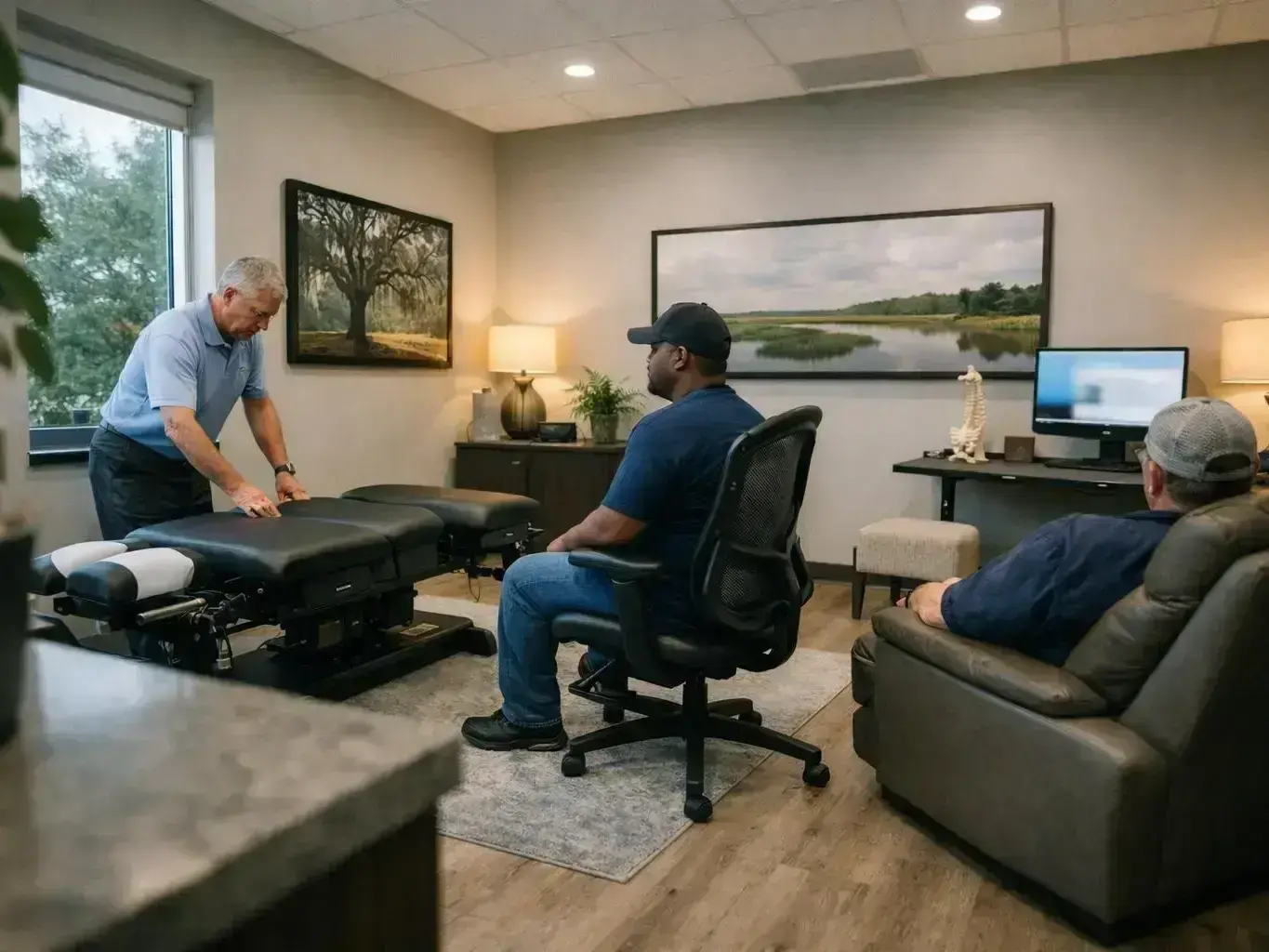
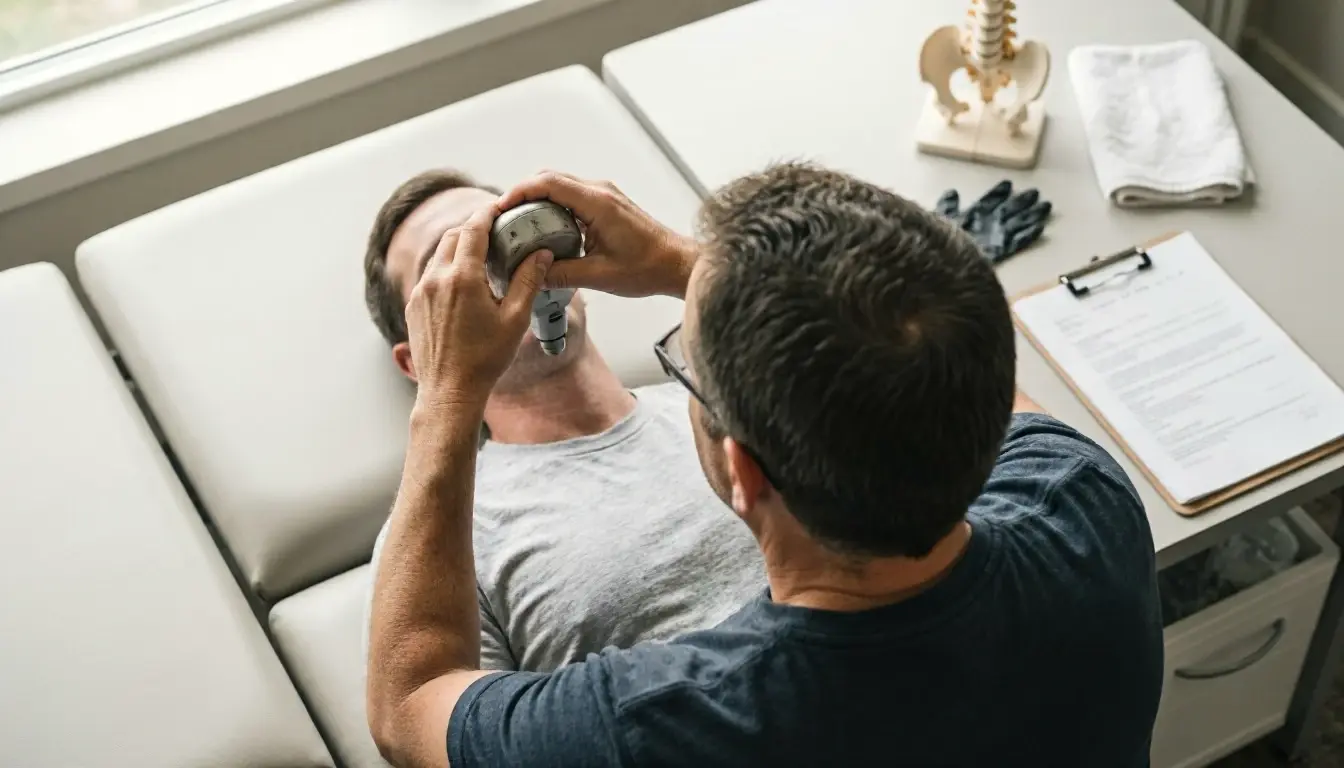
You lie on a special table. It supports your head and neck. The doctor uses a small tool. They place it on the side of your neck.
For local customers, the tool makes a quick sound wave. It goes through your skin to the atlas. The wave makes the bone move a little.
You feel a light tap or vibration. You don’t feel the popping from other treatments. The push is very gentle. It’s safe for kids and older adults.
Why Atlas Orthogonal Matters?
The atlas bone affects your whole body. It helps your nerves and posture. When it’s out of place, it can press on nerves.
This can block blood flow. It can change how your head sits on your spine. It often causes headaches. It can also cause jaw pain or tingling in hands.
Atlas Orthogonal fixes this. It moves the atlas back in place. This helps your body heal. It can ease these symptoms.
This method is good for people who tried other treatments. It doesn’t cause the discomfort of hands-on adjustments. It’s also good for vertigo (dizziness) or fibromyalgia (body pain).
It doesn’t twist or crack your spine. So it won’t make your muscles sore. It also won’t strain your joints.
When Atlas Orthogonal Matters Most?
Atlas Orthogonal helps with ongoing neck pain. It also helps with headaches or dizziness. Other treatments may not work for these.
It’s good for people who don’t like forceful adjustments. It’s safe for arthritis (joint pain) or osteoporosis (weak bones). Athletes like it too.
Office workers also benefit. Sitting or looking at screens can cause bad posture. This method helps fix that.
It’s useful after whiplash (neck injury) or concussions (head injury). Gentle care is needed for these. It won’t hurt sensitive tissues.
Fixing the atlas helps your whole spine. It can improve posture. It can also ease lower back pain. Most people feel better after a few visits.
The time needed depends on your problem. It also depends on your health. Your doctor will tell you what to expect.