Understanding Chiropractic BioPhysics

Chiropractic BioPhysics (CBP) is a specialized approach within chiropractic care that applies principles of biology, physiology. And physics to assess and treat spinal misalignments. Unlike traditional chiropractic methods that focus primarily on relieving pain through manual adjustments, CBP uses detailed measurements, including x-rays and posture analysis, to identify structural issues in the spine. The goal is to restore the spine to its optimal shape, which can improve overall health and reduce chronic pain.
Related glossary terms: Spinal Manipulation, Posture Correction, Chronic Pain.
This technique is based on the idea that the spine has a natural, ideal alignment that supports proper nerve function and body mechanics. When the spine deviates from this ideal shape, it can lead to pain, reduced mobility. And other health problems. CBP practitioners use a combination of adjustments, exercises. And traction to gradually correct these deviations. The process is often more structured and data-driven than other chiropractic methods, making it particularly useful for patients with long-standing spinal issues or posture-related problems.
How Chiropractic BioPhysics Works?
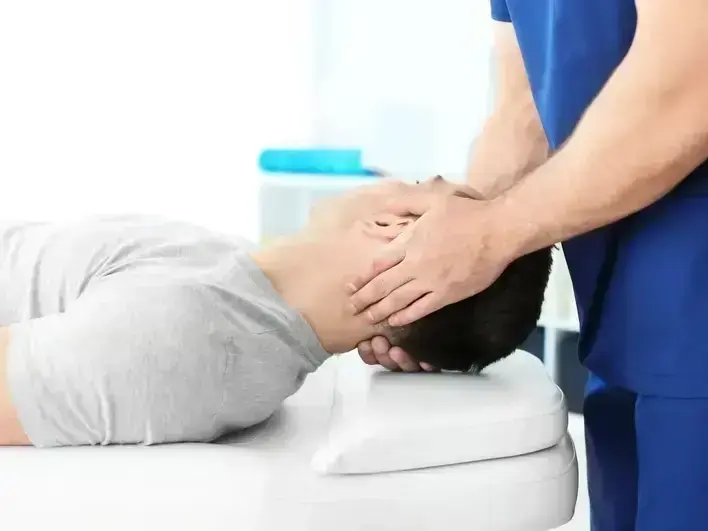
Chiropractic BioPhysics begins with a thorough evaluation of the patient’s spine and posture. Practitioners use x-rays to measure the spine’s alignment and identify any deviations from the ideal shape. These measurements help create a personalized treatment plan that includes mirror-image adjustments, where the chiropractor applies pressure to specific areas of the spine to guide it back into alignment. The adjustments are often combined with traction, a technique that gently stretches the spine to reduce pressure on nerves and discs.
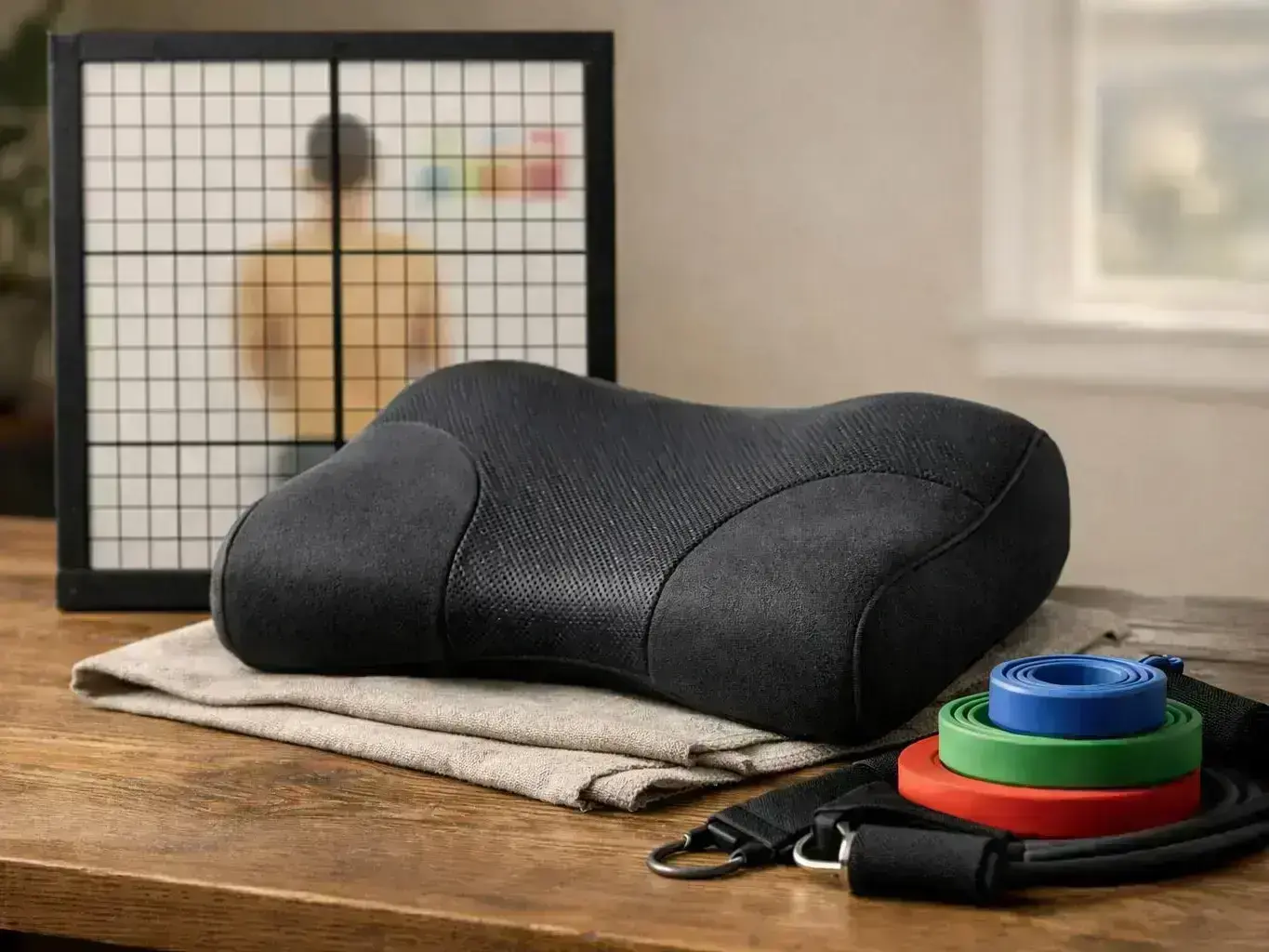
In addition to in-office treatments, patients are often given exercises and stretches to perform at home. These exercises are designed to reinforce the corrections made during adjustments and help maintain proper spinal alignment. The treatment plan is typically progressive, with regular follow-ups to monitor progress and make adjustments as needed. Because CBP focuses on structural correction, it often requires more time and commitment than traditional chiropractic care. But the results can be long-lasting.
Why Chiropractic BioPhysics Matters?

Chiropractic BioPhysics matters because it addresses the root cause of spinal problems rather than just masking symptoms. Many people with chronic back pain, neck pain. Or posture issues find temporary relief with traditional chiropractic care. But the pain often returns because the underlying structural issues remain uncorrected. CBP aims to fix these issues by restoring the spine to its natural shape, which can lead to lasting improvements in pain, mobility. And overall health.
This approach is also valuable for individuals with conditions like scoliosis, hyperkyphosis (hunchback). Or other spinal deformities. By using precise measurements and targeted adjustments, CBP can help slow or even reverse the progression of these conditions. And because the spine plays a crucial role in nervous system function, improving spinal alignment can have positive effects on other areas of health, such as digestion, breathing. And immune function.
When Chiropractic BioPhysics Matters Most?
Chiropractic BioPhysics is particularly important for individuals who have not found relief with traditional chiropractic care or other treatments. It's often recommended for patients with chronic pain, recurring injuries. Or spinal deformities that affect their quality of life. People with conditions like scoliosis, degenerative disc disease. Or postural issues caused by prolonged sitting or standing may also benefit from CBP. The technique is especially useful for those who want a structured, evidence-based approach to spinal correction.
In practice, CBP is also valuable for athletes, workers with physically demanding jobs. And older adults who want to maintain mobility and reduce the risk of injury. Because the treatment focuses on long-term correction, it can help prevent future problems by addressing the underlying structural issues that lead to pain and dysfunction. Patients who are committed to following their treatment plan, including at-home exercises, often see the best results.