Glossary

What is Coccyx Pain?

Coccyx Pain is discomfort or soreness in the small triangular bone at the base of the spine, known as the coccyx or tailbone. It often results from injury, prolonged sitting, childbirth. Or repetitive strain, causing sharp or dull pain that worsens with movement, pressure. Or sitting for long periods.

Reviewed by ChiropractorNewnan.comSources reviewed: Mayo Clinic, Cleveland Clinic

Quick Facts About Coccyx Pain

Category

Musculoskeletal pain

Used for

Identifying tailbone discomfort or injury

Common confusion

Often mistaken for lower back pain or sciatica

Also called

Coccydynia, Tailbone Pain

Often discussed with

Chiropractic Consultation and Diagnosis, Work Injury Treatment

Key Takeaways About Coccyx Pain

Understanding Coccyx Pain

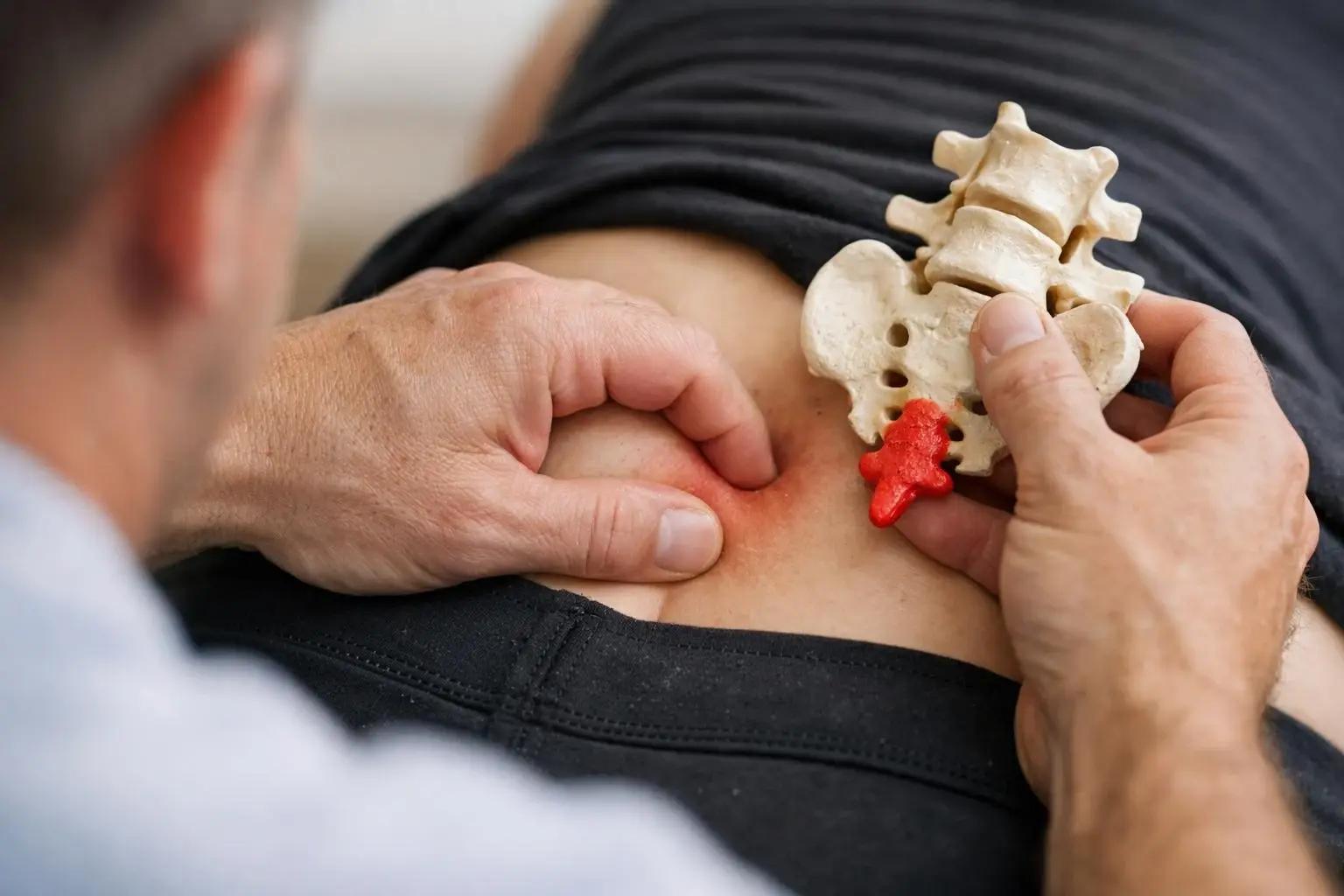
Coccyx Pain in Chiropractor: Coccyx Pain is discomfort or soreness in the small triangular bone at—visual guide

The tailbone is called the coccyx. It's the small bone at the bottom of your spine.

Related glossary terms: Back Pain, Sciatica, Posture Correction.

Coccyx pain means your tailbone hurts. Doctors call this coccydynia (cock-sih-DIN-ee-uh).

The pain can be mild or sharp. It often gets worse when you sit, stand. Or walk.

Even though it's small, tailbone pain can bother you. It can make sitting, driving. Or exercising hard.

Tailbone pain often comes from a fall. It can also come from sitting too long on hard surfaces.

Childbirth, cycling. Or getting older can cause it too. Bad posture or tight muscles can also lead to pain.

Sometimes pain comes from your lower back or hips. Finding the cause helps pick the right treatment.

How Coccyx Pain Works?

The tailbone connects to muscles and ligaments. These support your lower spine and pelvic floor.

When these tissues get hurt or swollen, they irritate the tailbone. This causes pain.

Sitting too long can squish the tailbone. This can make swelling or pain worse.

A fall can bruise or break the tailbone. This can cause sudden or long-lasting pain.

Pain signals travel through nerves in your lower back. That's why tailbone pain can spread.

Your body may swell or have muscle spasms. These can make the pain worse.

If the tailbone stays irritated, pain can last for weeks or months. This is called chronic pain.

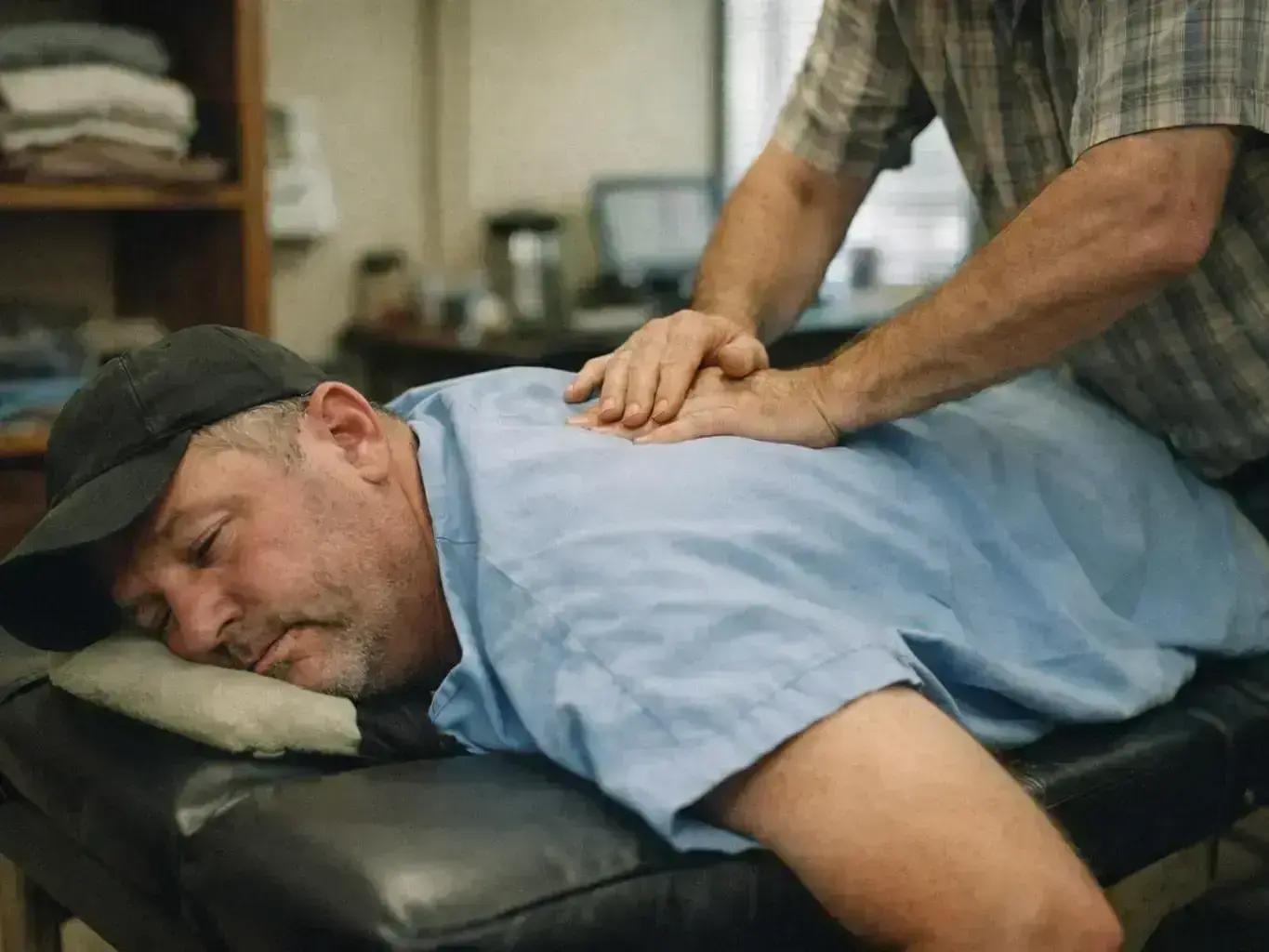
Seeing a chiropractor (a back doctor) early can help. It may stop pain from lasting too long.

Why Coccyx Pain Matters?
How Coccyx Pain applies to Chiropractor services in Newnan, United States—practical illustration

Tailbone pain may seem small. But it can make daily life hard.

Sitting, driving. Or lying down can hurt. Even simple things can become painful.

For athletes or office workers, this pain can be tough. It can make moving harder.

If you don't treat it, you might sit funny. This can hurt your back, hips. Or legs.

Treating tailbone pain early can help. It can stop the pain from lasting too long.

Chiropractors, physical therapy. And small changes can help. They reduce swelling and make you move better.

Sometimes shots or surgery are needed. But these are only for very bad pain.

Knowing about tailbone pain helps you get better. You can take steps to feel relief.

When Coccyx Pain Matters Most?

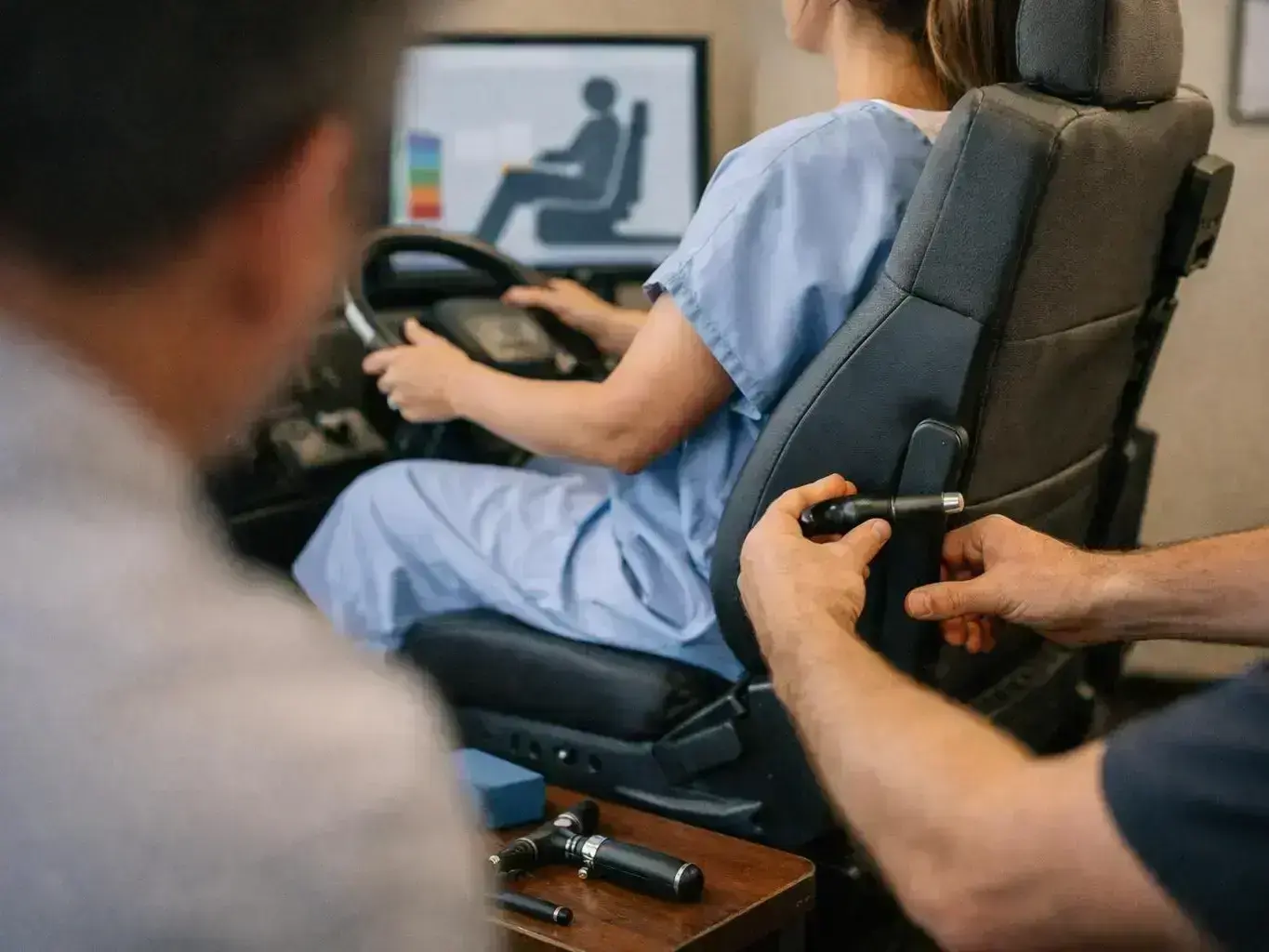
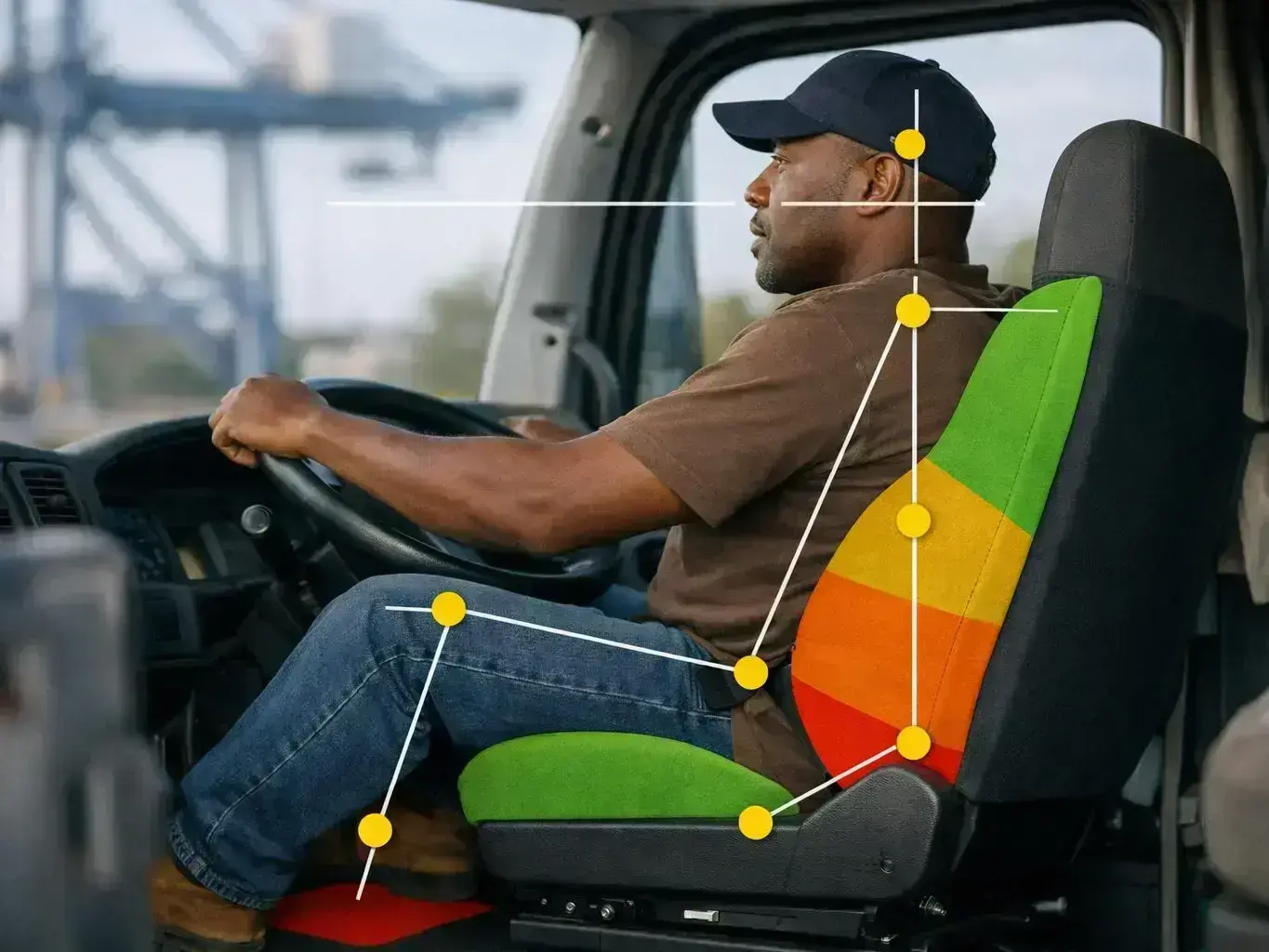
Tailbone pain often shows up when you sit too long. This can happen on long drives or at a desk.

Athletes like cyclists or rowers may feel it. Their sports can stress the tailbone.

Women may feel tailbone pain after having a baby. The birth can strain the tailbone.

A fall or slip can cause tailbone pain. The pain may start right away and be sharp.

Bad posture or sitting too much can cause pain too. It may grow worse over time.

Knowing what makes your pain worse helps. You can use soft seats or take breaks to stand.

Seeing a doctor can help too. They can help stop the pain from getting worse.
How to Evaluate Coccyx Pain?

Related Concepts Compared

Coccyx Pain vs. Sciatica

Sciatica involves nerve pain that radiates from the lower back down the leg. While coccyx pain is localized to the tailbone.

Coccyx Pain vs. Lower Back Pain

Lower back pain affects the vertebrae above the coccyx. While coccyx pain is specific to the tailbone area.

Expert Note

Coccyx pain is often overlooked because it’s a small area. But it can significantly impact daily comfort. Gentle adjustments, posture corrections. And targeted therapies can provide relief without invasive treatments.

Common Mistakes or Myths About Coccyx Pain

  • Ignoring coccyx pain as minor, assuming it will go away on its own.
  • Confusing coccyx pain with lower back pain or sciatica, leading to ineffective treatments.
  • Sitting on hard surfaces for long periods without support, worsening the pain.
  • Assuming all tailbone pain is due to injury, when poor posture or repetitive strain can also cause it.

Coccyx Pain in Practice: A Real-World Example

After a long road trip, Sarah noticed sharp pain at the base of her spine whenever she sat down. The discomfort worsened over a few days, making it difficult to work at her desk. After consulting a chiropractor, she learned her coccyx was irritated from prolonged sitting and received treatment to reduce inflammation and improve her posture.

Sources & Further Reading on Coccyx Pain

Related Services

Related Terms

Back Pain

Back Pain is discomfort, soreness. Or stiffness felt anywhere along the spine, from the neck to the lower back. Back Pain can be sharp, dull, constant. Or occasional. And may result from injury, poor posture, muscle strain. Or underlying medical conditions like herniated discs or arthritis. It affects daily activities and quality of life for millions of people.

Sciatica

Sciatica is nerve pain that starts in the lower back and travels down one leg, often caused by pressure on the sciatic nerve. Sciatica symptoms include sharp, burning. Or shooting pain, numbness, tingling. Or muscle weakness in the buttock, thigh, calf. Or foot. The pain usually affects only one side of the body and can worsen with sitting, coughing. Or sneezing.

Posture Correction

Posture Correction is the process of identifying and improving the alignment of the spine, shoulders, hips. And head to reduce strain on muscles, joints. And nerves. It involves exercises, ergonomic adjustments, manual therapy.

Manual Therapy

Manual Therapy is a hands-on treatment method used by healthcare providers, including chiropractors, to diagnose and treat musculoskeletal conditions. Manual Therapy involves skilled movements such as stretching, pressure. And joint mobilization to improve mobility, reduce pain. And restore function in muscles, joints. And soft tissues without surgery or medication.

Spinal Manipulation

Spinal Manipulation is a hands-on therapy technique used by chiropractors and other healthcare providers to apply controlled force to a joint in the spine. This force helps improve spinal motion, reduce pain. And restore function by relieving pressure on nerves, muscles. And discs. The procedure often produces a popping or cracking sound due to gas releasing from the joint.

ChiropractorNewnan.com

Have Questions About Coccyx Pain?

Contact ChiropractorNewnan.com for practical guidance on Coccyx Pain and related chiropractor work in Newnan.

+1 770-692-1041