Glossary

What is Sciatica?

Sciatica is nerve pain that starts in the lower back and travels down one leg, often caused by pressure on the sciatic nerve. Sciatica symptoms include sharp, burning. Or shooting pain, numbness, tingling. Or muscle weakness in the buttock, thigh, calf. Or foot. The pain usually affects only one side of the body and can worsen with sitting, coughing. Or sneezing.

Reviewed by ChiropractorNewnan.comSources reviewed: American Academy of Orthopaedic Surgeons, Mayo Clinic

Quick Facts About Sciatica

Category

Nerve pain condition

Used for

Diagnosing leg and lower back pain

Common confusion

Often mistaken for general back pain or muscle strain

Also called

Sciatic neuritis, Sciatic neuralgia

Often discussed with

Chiropractic Consultation and Diagnosis

Key Takeaways About Sciatica

Understanding Sciatica
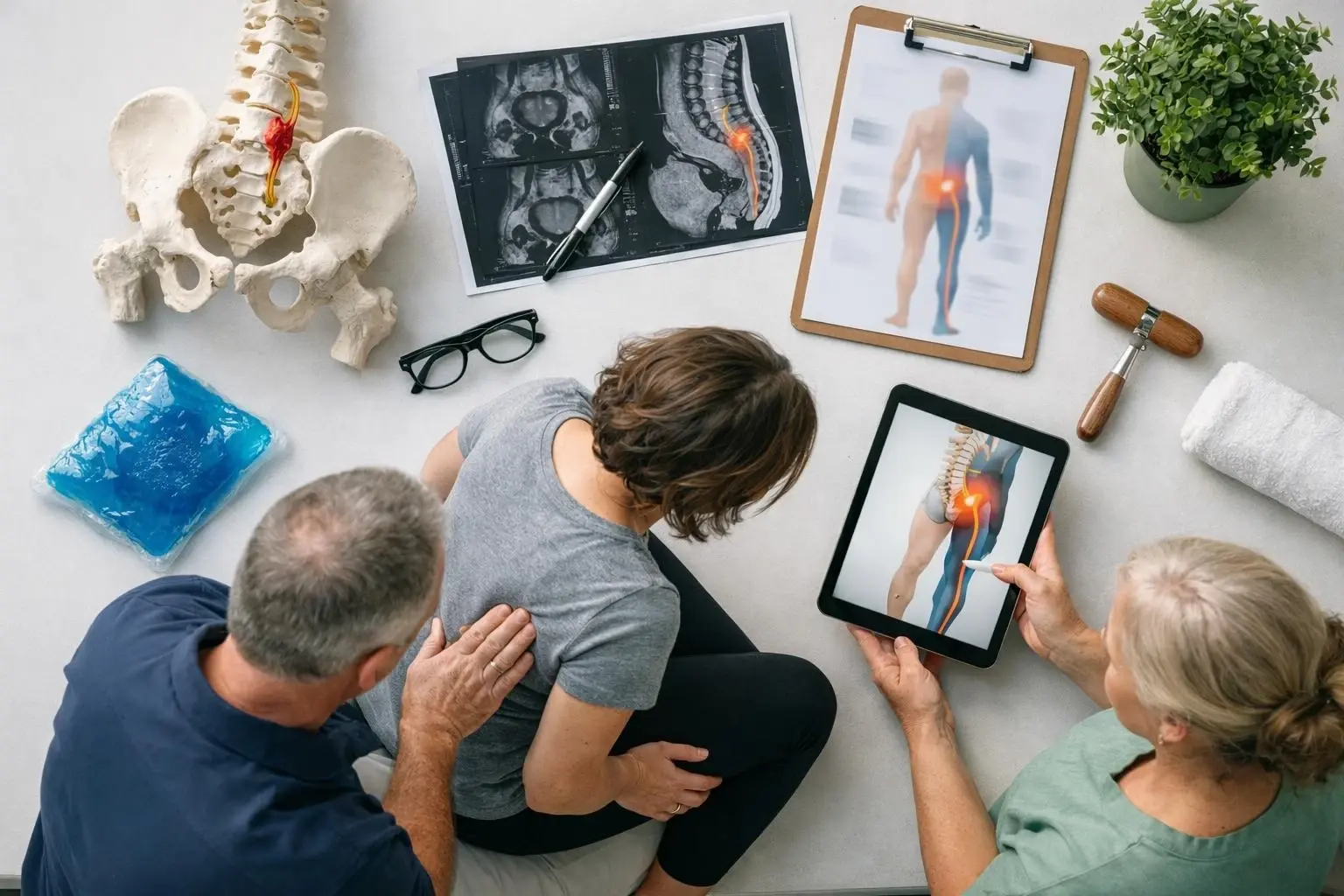
Sciatica in Chiropractor: Sciatica is nerve pain that starts in the lower back and travels—visual guide

Sciatica is pain along the sciatic nerve. This nerve runs from your lower back to your legs.

Related glossary terms: Herniated Disc, Nerve Compression, Spinal Decompression.

It goes through your hips and buttocks. It ends down each leg.

This nerve controls muscles in your lower leg. It gives feeling to your thigh, calf. And foot.

The nerve can get squeezed or hurt. That causes pain, numbness. Or weakness.

Sciatica is not a disease. It's a sign of another problem, like a slipped disc.

Sciatica pain can feel different. Some people feel a dull ache.

Others feel sharp or burning pain. Some say it feels like an electric shock.

Pain often gets worse when you sit too long. Sudden moves like coughing can hurt more.

It usually affects just one side. Rarely, it can hurt both legs.

Doctors look at where the pain goes. That helps them find the cause.

How Sciatica Works?

The sciatic nerve starts in your lower back. It forms from roots near your spine.

These roots join to make the nerve. It goes through your pelvis and down each leg.

Something can press on these roots. A slipped disc (soft cushion between bones) can do this.

A bone spur (extra bone growth) can also press on them. So can tight muscles.

When roots get pressed, they send pain signals. That's why sciatica hurts.

Many things can cause sciatica. A slipped or bulging disc is the most common.

Discs can get hurt or wear out. The soft part inside can leak out.

That can press on nerve roots. Spinal stenosis (narrow spine) can also squeeze nerves.

Piriformis syndrome is another cause. That's when a butt muscle spasms.

It can irritate the nerve. Less often, pregnancy or tumors cause sciatica.

Why Sciatica Matters?
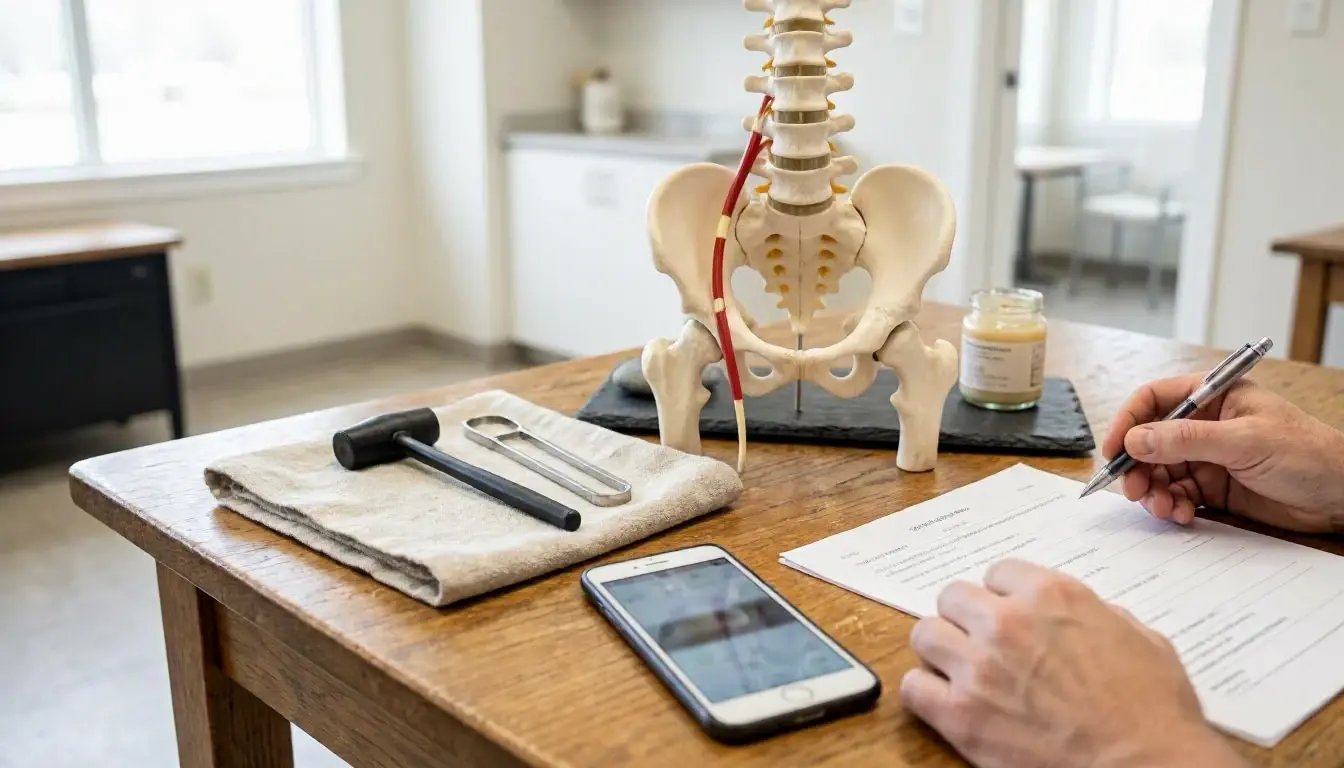
How Sciatica applies to Chiropractor services in Newnan, United States—practical illustration

Sciatica can make daily life hard. It can hurt to sit, stand. Or walk.

Pain can mess with work, sleep. Or fun. It can lower your quality of life.

Most sciatica gets better in a few weeks. But some people have pain for a long time.

Ignoring it can cause worse problems. You might get nerve damage or weak muscles.

Seeing a doctor early helps. It can stop long-term problems.

Treatment helps ease pain. It also fixes the cause.

Rest, ice. Or heat can help. So can gentle stretches.

You can take pain pills from the store. Physical therapy can help too.

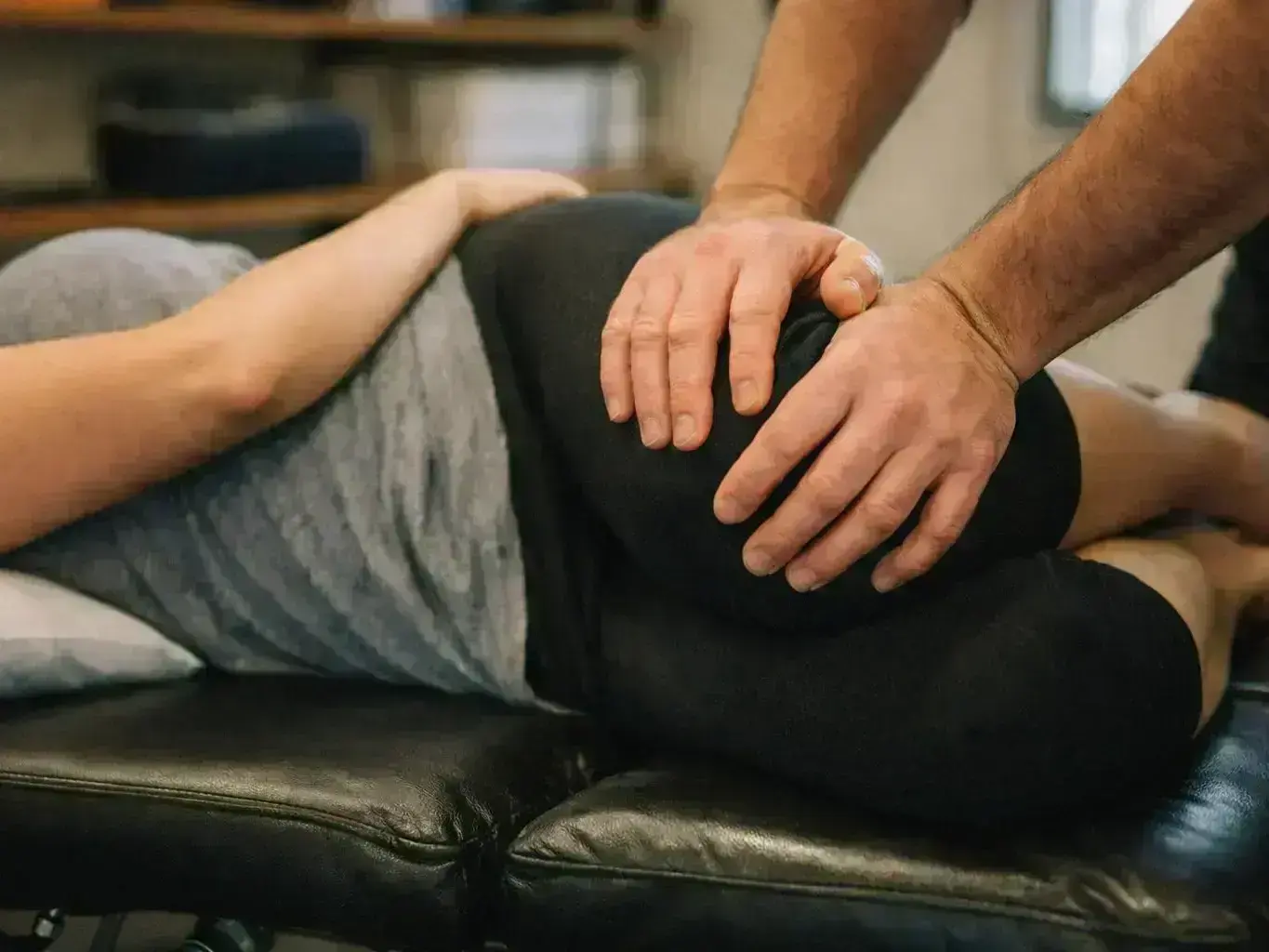
Chiropractic care (spine adjustments) can also help. So can special exercises.

In bad cases, shots or surgery may be needed. Learn your options to choose well.

When Sciatica Matters Most?

Some sciatica signs are scary. Get help fast if pain is very bad or sudden.

Also get help if you can't control your pee or poop. Or if your groin feels numb.

Weak legs are another bad sign. These may mean a serious problem.

It's called cauda equina syndrome. It needs emergency care.

People with diabetes or weak bones should be careful. So should those with cancer.

Some jobs can cause sciatica. Jobs with heavy lifting can hurt your back.

So can jobs where you sit too long. Or jobs where you twist a lot.

Truck drivers and office workers get sciatica. So do construction workers.

Athletes can get it too. Football players and gymnasts are at risk.

Good posture helps. So does lifting the right way. Exercise helps too.
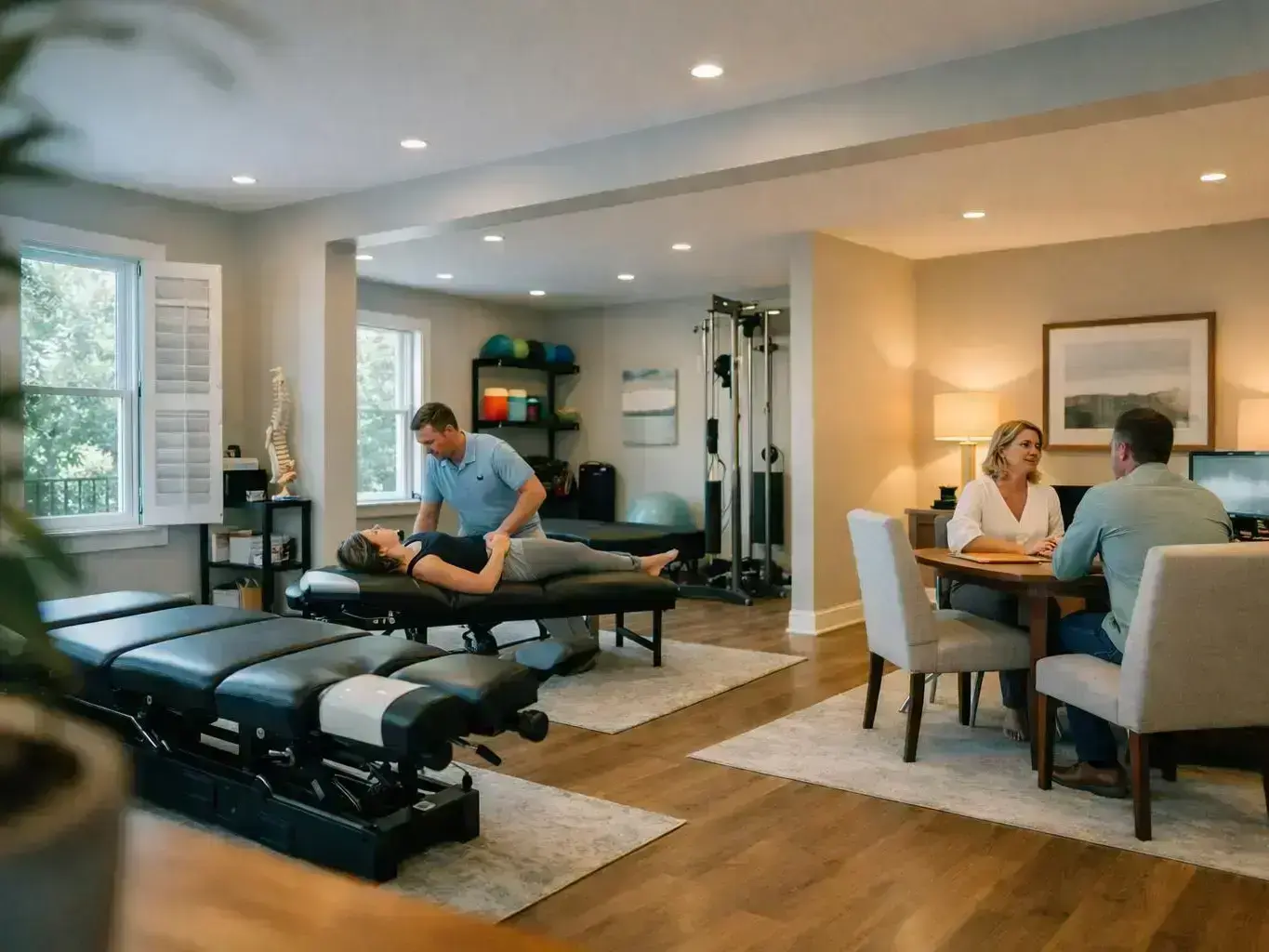
How to Evaluate Sciatica?

Related Concepts Compared

Sciatica vs. Herniated Disc

A herniated disc occurs when a spinal disc ruptures and presses on a nerve. While sciatica is the pain caused by that pressure. Not all herniated discs cause sciatica. But many do.

Sciatica vs. Piriformis Syndrome

Piriformis syndrome involves muscle spasms in the buttock irritating the sciatic nerve. While sciatica refers to the resulting pain. Piriformis syndrome is one possible cause of sciatica.

Sciatica vs. Spinal Stenosis

Spinal stenosis is a narrowing of the spinal canal that can compress nerves. While sciatica is the pain caused by that compression. Stenosis often affects both legs, whereas sciatica typically affects one.

Expert Note

Sciatica often improves with conservative care. But persistent symptoms may signal an underlying issue requiring targeted treatment. A thorough evaluation can pinpoint the exact cause and guide effective management.

Common Mistakes or Myths About Sciatica

  • Assuming all lower back pain is sciatica—general back pain may not involve the sciatic nerve.
  • Ignoring numbness or weakness, which can signal nerve damage if left untreated.
  • Overlooking piriformis syndrome, a muscle-related cause of sciatica that requires different treatment.
  • Believing sciatica always requires surgery—most cases improve with conservative care.
  • Confusing sciatica with circulation problems, which may cause similar leg symptoms.

Sciatica in Practice: A Real-World Example

A truck driver notices sharp pain shooting from his lower back down his left leg after a long haul. The pain worsens when he sits for extended periods but eases when he walks. His doctor diagnoses sciatica caused by a herniated disc and recommends gentle stretching and chiropractic adjustments to relieve pressure on the nerve.

Related Services

Related Terms

Herniated Disc

Herniated Disc is a spinal condition where the soft inner gel of a spinal disc leaks through a tear in its tough outer layer. This can press on nearby nerves, causing pain, numbness. Or weakness in the back, arms. Or legs. Herniated discs often occur in the lower back or neck and are sometimes called slipped or ruptured discs.

Nerve Compression

Nerve Compression is a condition where a nerve is pressed, squeezed. Or pinched by surrounding tissues such as bones, muscles, tendons. Or discs. This pressure disrupts the nerve’s normal function, causing pain, numbness, tingling. Or weakness in the affected area. Nerve Compression often occurs in the spine, wrists. Or elbows and may result from injury, repetitive motion. Or poor posture.

Spinal Decompression

Spinal Decompression is a non-surgical treatment designed to relieve pressure on the spine and intervertebral discs. This therapy uses controlled traction to gently stretch the spine, creating negative pressure within the discs. The goal is to promote healing, reduce pain. And improve mobility for conditions like herniated discs, sciatica. And degenerative disc disease.

Back Pain

Back Pain is discomfort, soreness. Or stiffness felt anywhere along the spine, from the neck to the lower back. Back Pain can be sharp, dull, constant. Or occasional. And may result from injury, poor posture, muscle strain. Or underlying medical conditions like herniated discs or arthritis. It affects daily activities and quality of life for millions of people.

Manual Therapy

Manual Therapy is a hands-on treatment method used by healthcare providers, including chiropractors, to diagnose and treat musculoskeletal conditions. Manual Therapy involves skilled movements such as stretching, pressure. And joint mobilization to improve mobility, reduce pain. And restore function in muscles, joints. And soft tissues without surgery or medication.

ChiropractorNewnan.com

Have Questions About Sciatica?

Contact ChiropractorNewnan.com for practical guidance on Sciatica and related chiropractor work in Newnan.

+1 770-692-1041