Glossary

What is Spinal Decompression?

Spinal Decompression is a non-surgical treatment designed to relieve pressure on the spine and intervertebral discs. This therapy uses controlled traction to gently stretch the spine, creating negative pressure within the discs. The goal is to promote healing, reduce pain. And improve mobility for conditions like herniated discs, sciatica. And degenerative disc disease.

Reviewed by ChiropractorNewnan.comSources reviewed: American Chiropractic Association, National Institute of Neurological Disorders and Stroke

Quick Facts About Spinal Decompression

Category

Non-surgical spinal therapy

Used for

Herniated discs, sciatica, degenerative disc disease

Common confusion

Often mistaken for spinal manipulation or surgery

Also called

Non-surgical Spinal Decompression, Traction Therapy

Often discussed with

Chiropractic Consultation and Diagnosis

Key Takeaways About Spinal Decompression

Understanding Spinal Decompression
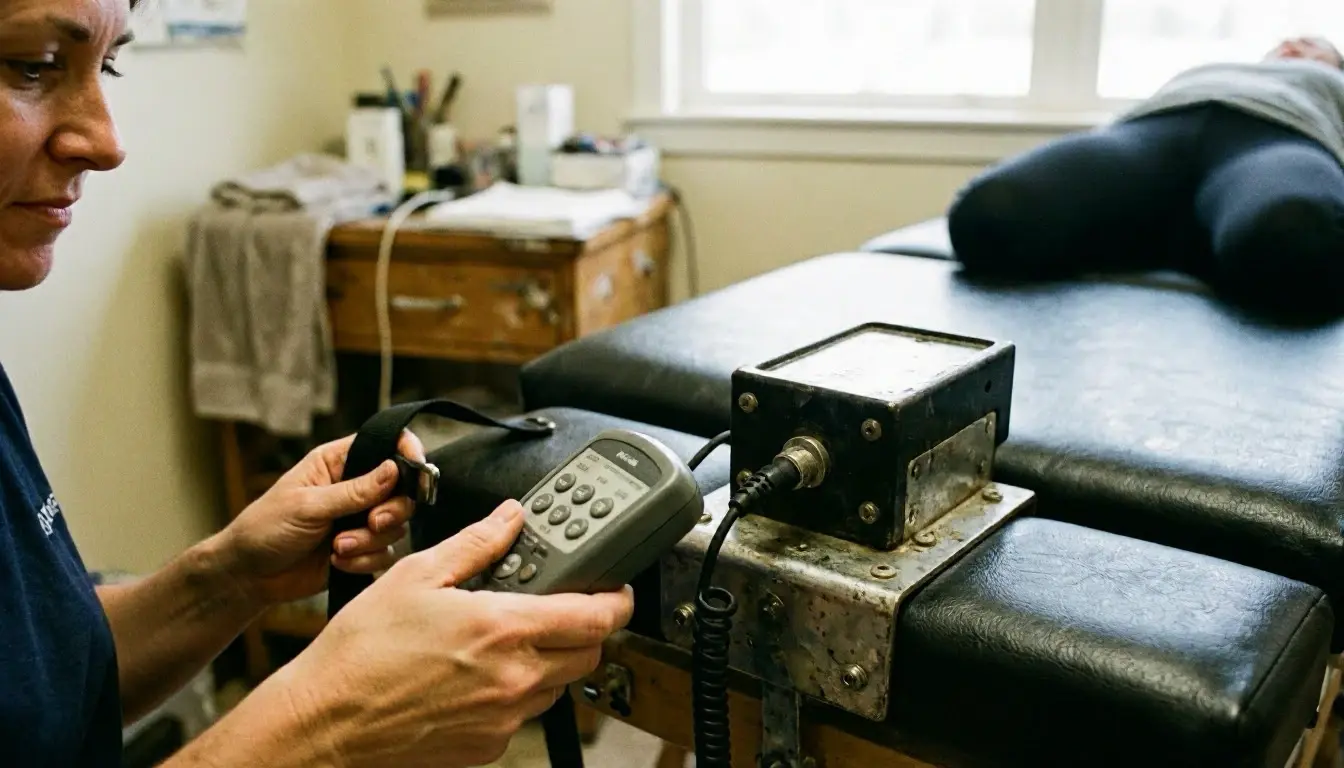
Spinal Decompression in Chiropractor: Spinal Decompression is a non-surgical treatment designed to relieve pressure on the...

Spinal Decompression helps take pressure off your spine. Your spine has bones called vertebrae. Discs act like cushions between them.

Related glossary terms: Herniated Disc, Sciatica, Degenerative Disc Disease.

These discs can get squished over time. This happens from injury, bad posture. Or wear and tear. It can cause pain, numbness. Or trouble moving.

Spinal Decompression gently stretches your spine. This makes space between the bones. It takes pressure off the discs.

This space helps bulging or slipped discs move back. It lets more nutrients reach the discs. That helps them heal.

This therapy doesn't need surgery. It doesn't use cuts or sleep medicine (anesthesia). A machine pulls your spine gently.

Doctors often mix it with other treatments. These may include hands-on fixes or cold laser therapy. This helps get better results.

It's not a magic fix. But many people feel less pain after a few sessions. They can move better too.

How Spinal Decompression Works?

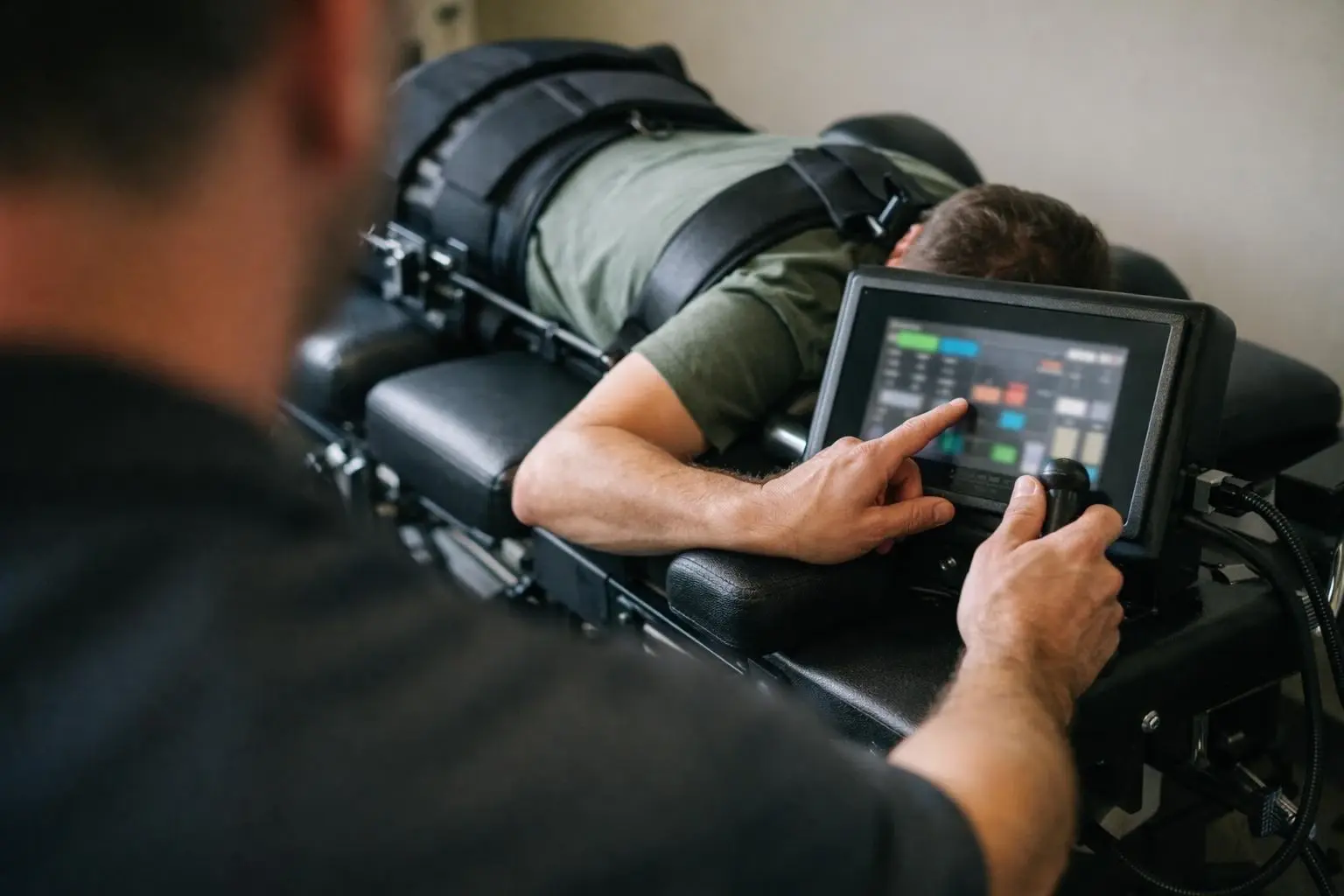
Spinal Decompression uses a special table. The table gently stretches your spine. You lie on it during the session.

A harness goes around your hips and lower back. The table pulls in a controlled way. This pull is called traction.

Traction makes a gentle pulling force. It creates space inside your discs. This helps slipped discs move back.

It also takes pressure off nerves. Each session lasts 15 to 30 minutes. You may need several sessions over weeks.

For local customers, the pull strength matches your needs. It depends on your weight and condition. It also depends on how much you can handle.

The table pulls, then rests, then pulls again. This stops your muscles from tensing up. It keeps your spine relaxed.

Some machines use sensors. They watch how your body responds. They change the pull strength right away.

This helps get the best results. It also keeps you comfortable.

Why Spinal Decompression Matters?
How Spinal Decompression applies to Chiropractor services in Newnan, United States—practical illustration

Spinal Decompression matters because it helps without surgery. It's for people with bad back pain. It helps with slipped discs too.

Many people struggle with daily tasks. Pain makes sitting or standing hard. It can make lifting things tough.

Surgery works but has risks. It can cause infections or nerve damage. Recovery takes a long time.

Spinal Decompression is safer. It's less invasive. It can help you skip surgery or delay it.

It also helps people who can't have surgery. They might be too old or sick. This therapy can still improve their life.

It does more than stop pain. It helps fix your spine's shape. It lets more nutrients reach your discs.

This helps your spine heal. It cuts down on swelling. It can help for a long time.

It treats the real cause of pain. It doesn't just hide symptoms. This can give lasting relief.

It can also stop pain from coming back.

When Spinal Decompression Matters Most?

Spinal Decompression helps people with certain spine problems. It's good for slipped or bulging discs. It helps with sciatica too.

It works for wear-and-tear disc disease. It helps with spine narrowing (stenosis). It's for long-term back or neck pain.

It helps when other treatments don't work. These include medicine, therapy. Or chiropractor visits.

But it's not for everyone. People with very weak bones shouldn't use it. It's not safe if you have spine breaks.

It's also not for people with tumors or infections. These could cause problems.

This therapy is good if you want to avoid surgery. It helps if other treatments didn't work. It's also good if you want to skip surgery risks.

It can be part of a bigger plan. This may include exercises or posture fixes. It can include lifestyle changes too.

These help keep your spine healthy. Talk to your doctor first. They can tell you if it's right for you.
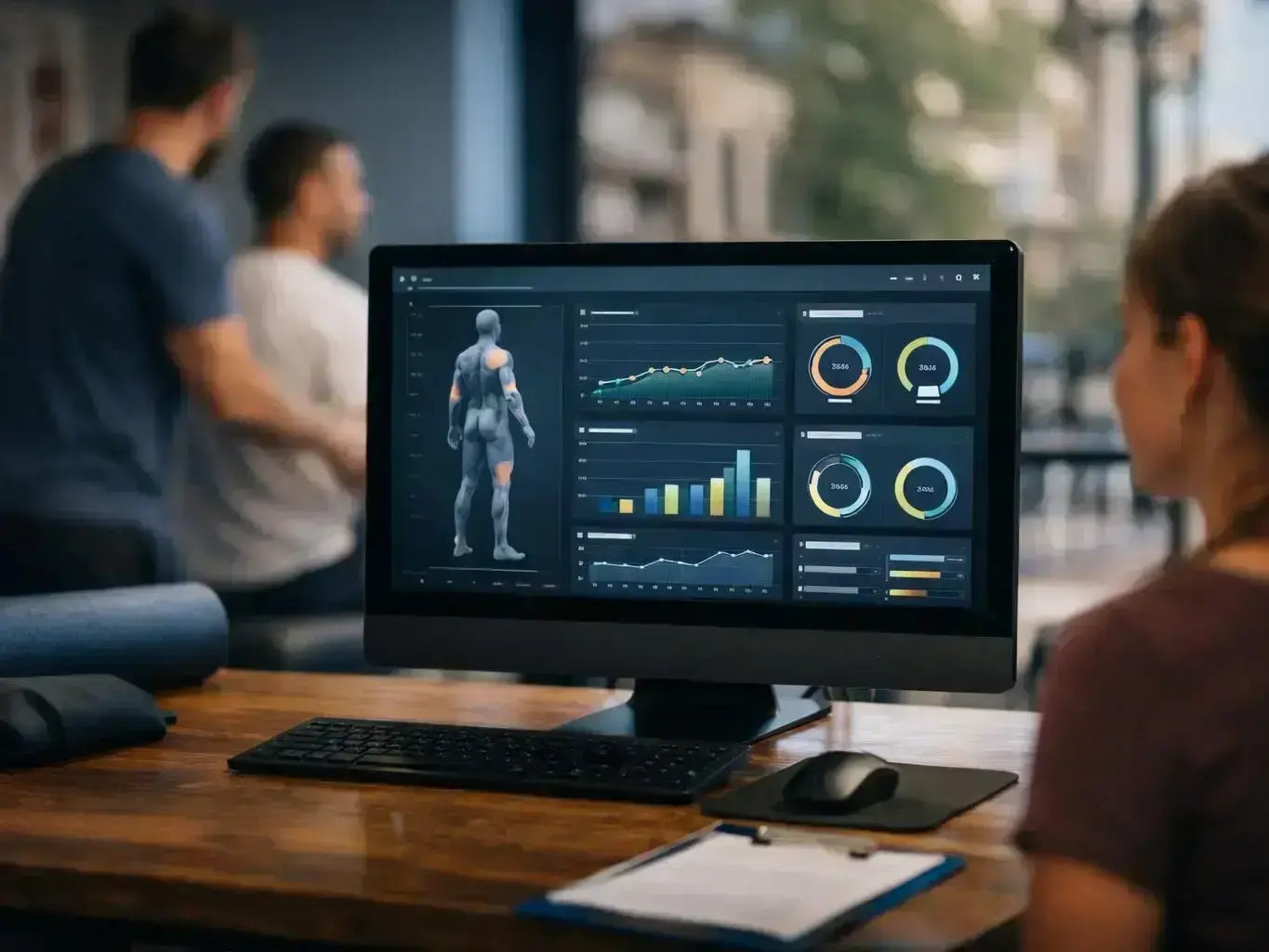

How to Evaluate Spinal Decompression?

Related Concepts Compared

Spinal Decompression vs. Spinal Manipulation

Spinal Manipulation involves quick, manual adjustments to the spine to improve alignment and mobility. While Spinal Decompression uses gentle traction to relieve disc pressure and promote healing.

Spinal Decompression vs. Flexion Distraction

Flexion Distraction is a chiropractic technique that combines spinal traction with manual adjustments, often used for disc herniations. While Spinal Decompression focuses solely on traction to decompress the spine.

Spinal Decompression vs. Physical Therapy

Physical Therapy includes a range of exercises and manual techniques to improve strength and mobility. While Spinal Decompression specifically targets spinal disc pressure through controlled traction.

Expert Note

Spinal Decompression is most effective when tailored to the patient's specific condition and combined with other therapies. A thorough evaluation, including imaging studies, helps ensure the treatment is appropriate and safe for the individual.

Common Mistakes or Myths About Spinal Decompression

  • Assuming Spinal Decompression is the same as spinal manipulation or surgery.
  • Expecting immediate results after a single session; multiple treatments are usually needed.
  • Undergoing Spinal Decompression without a proper diagnosis or imaging studies.
  • Ignoring lifestyle factors like posture and ergonomics, which can affect long-term results.
  • Choosing a provider without verifying their experience or the quality of their equipment.

Spinal Decompression in Practice: A Real-World Example

A 45-year-old patient with a herniated disc in the lower back experiences radiating pain down their leg, making it difficult to stand or walk for long periods. After undergoing a series of Spinal Decompression sessions, the patient reports reduced pain and improved mobility, allowing them to return to daily activities without surgery.

Sources & Further Reading on Spinal Decompression

Related Services

Related Terms

Herniated Disc

Herniated Disc is a spinal condition where the soft inner gel of a spinal disc leaks through a tear in its tough outer layer. This can press on nearby nerves, causing pain, numbness. Or weakness in the back, arms. Or legs. Herniated discs often occur in the lower back or neck and are sometimes called slipped or ruptured discs.

Sciatica

Sciatica is nerve pain that starts in the lower back and travels down one leg, often caused by pressure on the sciatic nerve. Sciatica symptoms include sharp, burning. Or shooting pain, numbness, tingling. Or muscle weakness in the buttock, thigh, calf. Or foot. The pain usually affects only one side of the body and can worsen with sitting, coughing. Or sneezing.

Degenerative Disc Disease

Degenerative Disc Disease is a condition where the spinal discs, which act as cushions between the vertebrae, wear down over time. This wear can lead to pain, reduced flexibility. And nerve irritation, often due to aging, injury. Or repetitive stress. It's not a disease but a natural process that can cause discomfort and limit movement.

Spinal Manipulation

Spinal Manipulation is a hands-on therapy technique used by chiropractors and other healthcare providers to apply controlled force to a joint in the spine. This force helps improve spinal motion, reduce pain. And restore function by relieving pressure on nerves, muscles. And discs. The procedure often produces a popping or cracking sound due to gas releasing from the joint.

Flexion Distraction

Flexion Distraction is a gentle, non-surgical chiropractic technique used to treat lower back pain, herniated discs. And sciatica. It involves a specialized table that stretches and decompresses the spine, improving mobility and reducing pressure on spinal nerves. The method combines slow, rhythmic movements with targeted pressure to restore spinal function without forceful manipulation.

ChiropractorNewnan.com

Have Questions About Spinal Decompression?

Contact ChiropractorNewnan.com for practical guidance on Spinal Decompression and related chiropractor work in Newnan.

+1 770-692-1041