Understanding Degenerative Disc Disease
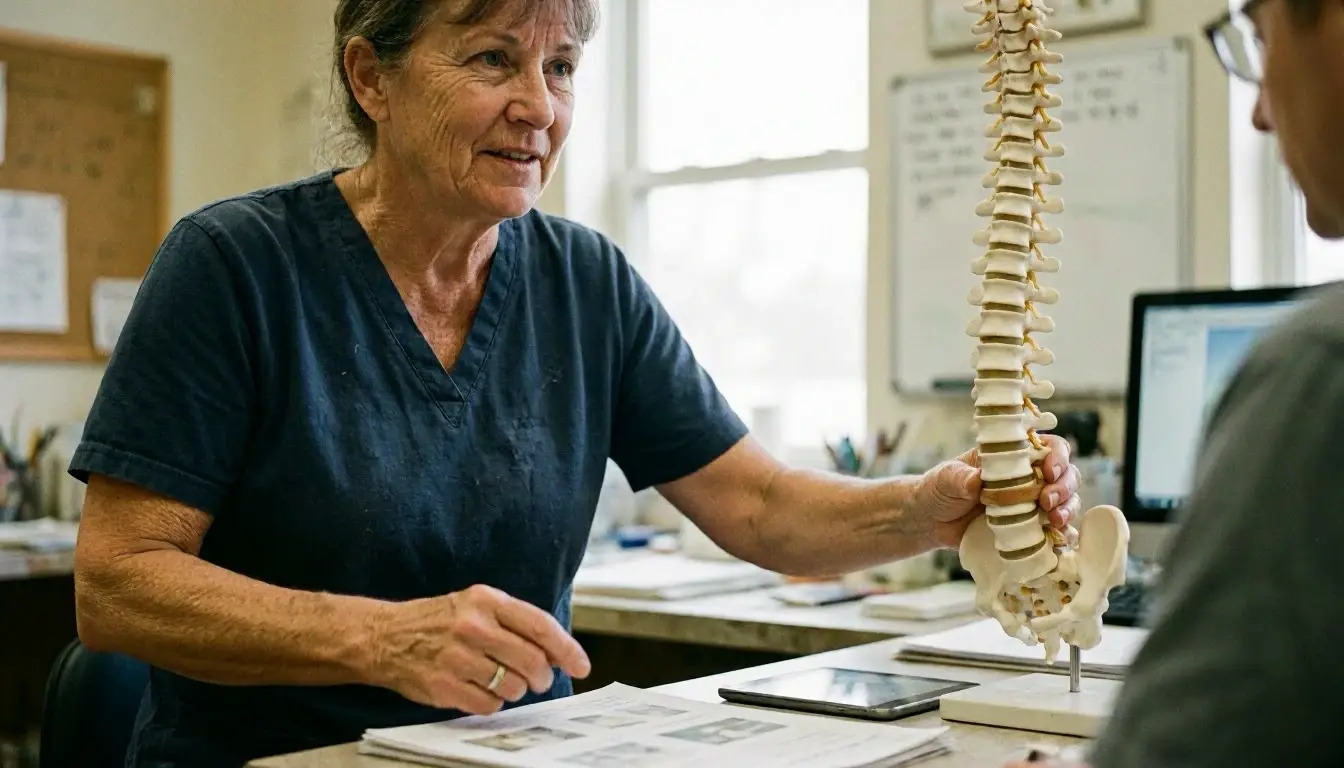
Degenerative Disc Disease refers to the gradual deterioration of the intervertebral discs in the spine. These discs act as shock absorbers between the vertebrae, allowing the spine to bend, twist. And move smoothly. Over time, the discs lose water content, become thinner. And may develop small tears or cracks. This process is a normal part of aging but can lead to pain, stiffness. And reduced mobility for some individuals. While the term includes the word "disease," it's not a progressive illness but rather a descriptive term for the changes that occur in the spine.
Related glossary terms: Herniated Disc, Sciatica, Spinal Decompression.
The condition can affect any part of the spine. But it most commonly occurs in the lower back (lumbar region) and the neck (cervical region). The pain associated with Degenerative Disc Disease often stems from the disc itself or from the surrounding nerves that become irritated as the disc wears down. Factors such as genetics, repetitive stress, poor posture. And previous injuries can accelerate the degeneration process. Understanding these changes helps individuals and healthcare providers develop strategies to manage symptoms effectively.
How Degenerative Disc Disease Works?
The intervertebral discs are composed of a tough outer layer called the annulus fibrosus and a gel-like inner core known as the nucleus pulposus. In a healthy spine, these discs provide cushioning and flexibility. But as people age, the discs lose hydration and elasticity, making them less effective at absorbing shock. The outer layer may develop tiny cracks, allowing the inner gel to leak out or bulge, which can press on nearby nerves. This pressure can cause pain, numbness. Or weakness in the back, neck, arms. Or legs, depending on the location of the affected disc.
Degenerative Disc Disease is typically diagnosed through a combination of medical history, physical examination. And imaging studies such as X-rays, MRI. Or CT scans. These imaging techniques help visualize the disc structure and identify any changes, such as disc height loss or herniation. While imaging can confirm the presence of degeneration, many people with disc degeneration on imaging don't experience symptoms. The severity of symptoms often depends on the extent of disc damage and how it affects surrounding nerves and tissues.
Why Degenerative Disc Disease Matters?
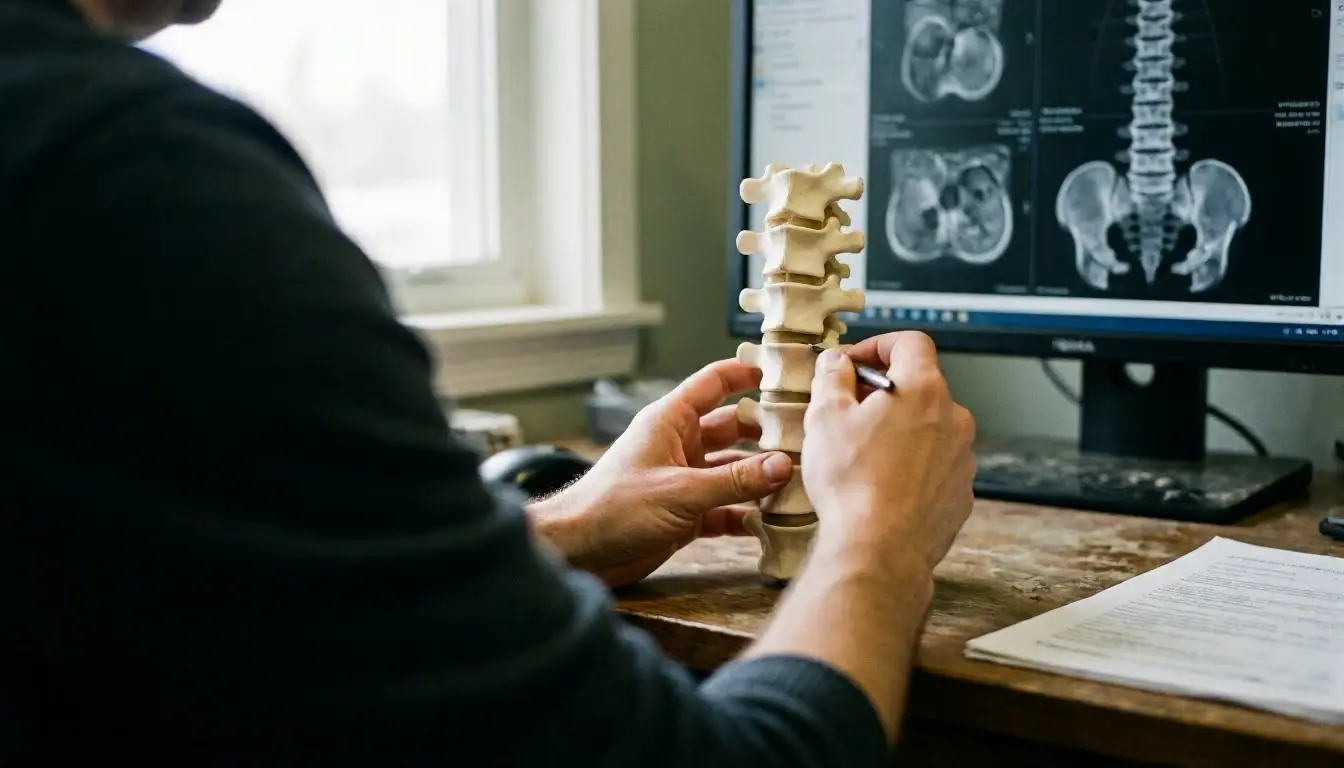
Degenerative Disc Disease matters because it can significantly impact a person's quality of life. Chronic back or neck pain can limit daily activities, reduce mobility. And affect sleep and mood. For some individuals, the condition may lead to more serious complications, such as herniated discs, spinal stenosis. Or nerve compression. These complications can cause radiating pain, tingling. Or weakness in the arms or legs, making it difficult to perform tasks like lifting, bending. Or even sitting for extended periods. Early recognition and management of symptoms can help prevent further deterioration and improve long-term outcomes.
Many projects start with Managing Degenerative Disc Disease often involves a combination of lifestyle changes, physical therapy. And pain management strategies. Maintaining a healthy weight, staying active. And practicing good posture can help reduce stress on the spine. Physical therapy exercises can strengthen the muscles supporting the spine, improving stability and flexibility. The result matters. In some cases, chiropractic care, massage. Or other non-surgical treatments may provide relief. Understanding the condition empowers individuals to make informed decisions about their health and explore appropriate treatment options.
When Degenerative Disc Disease Matters Most?
Degenerative Disc Disease becomes particularly important in situations where it interferes with daily life or work. For example, individuals with physically demanding jobs, such as construction workers or nurses, may experience increased pain and difficulty performing their duties. Similarly, older adults may find that the condition limits their ability to engage in activities they enjoy, such as gardening, walking. Or playing with grandchildren. Recognizing the signs of Degenerative Disc Disease early can help individuals seek appropriate care and make adjustments to their routines to cut down on discomfort.
In some cases, Degenerative Disc Disease may require more advanced interventions, such as injections or surgery, if conservative treatments fail to provide relief. But these options are typically considered only after other methods have been exhausted. For residents of Newnan, GA, understanding the local resources available, such as chiropractic care or physical therapy, can be beneficial in managing symptoms and maintaining an active lifestyle. Regular check-ups with a healthcare provider can help monitor the condition and ensure that any changes in symptoms are addressed promptly.