Glossary

What is Flexion Distraction?

Flexion Distraction is a gentle, non-surgical chiropractic technique used to treat lower back pain, herniated discs. And sciatica. It involves a specialized table that stretches and decompresses the spine, improving mobility and reducing pressure on spinal nerves. The method combines slow, rhythmic movements with targeted pressure to restore spinal function without forceful manipulation.

Reviewed by ChiropractorNewnan.comSources reviewed: American Chiropractic Association, Journal of Manipulative and Physiological Therapeutics

Quick Facts About Flexion Distraction

Category

Spinal decompression technique

Used for

Herniated discs, sciatica, lower back pain

Common confusion

Often mistaken for general spinal manipulation

Also called

Cox Technique, Flexion-Distraction Technique

Often discussed with

Chiropractic Consultation and Diagnosis, Car Accident Injury Rehabilitation

Key Takeaways About Flexion Distraction

Understanding Flexion Distraction
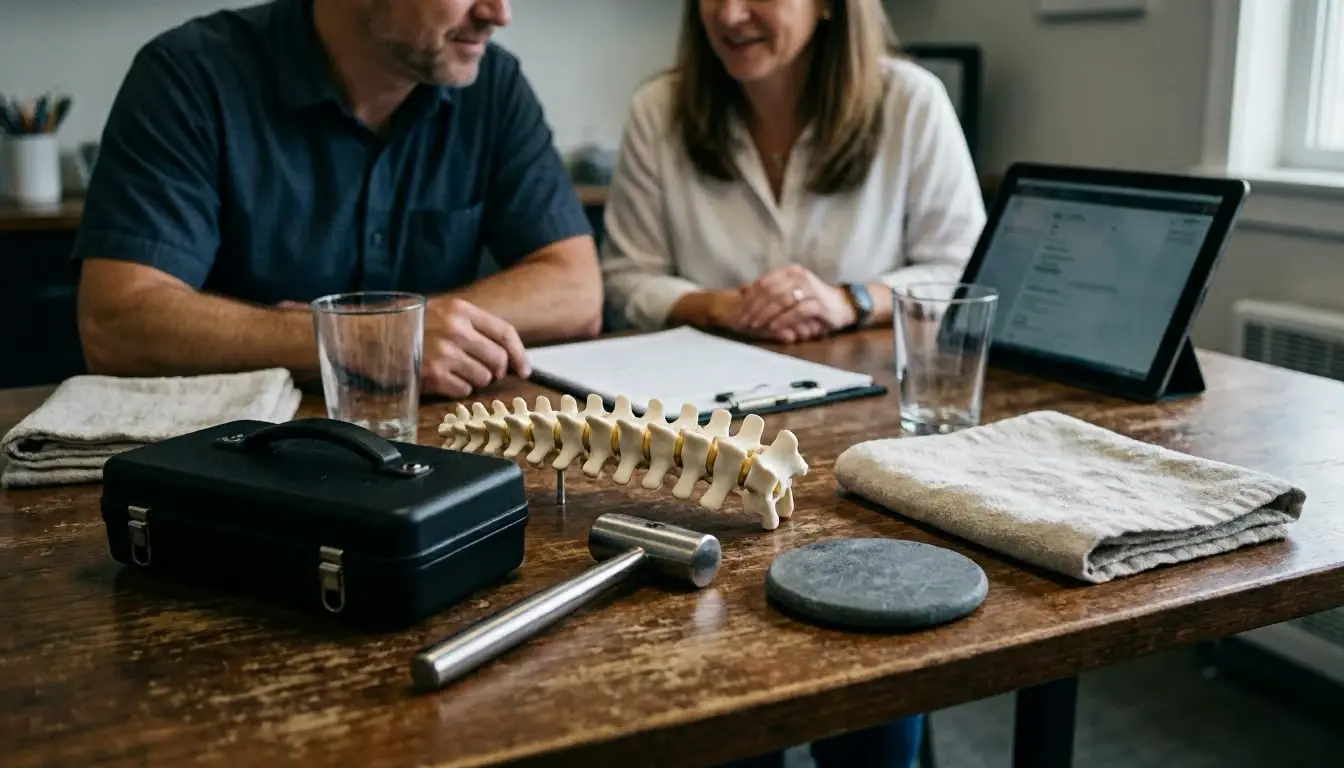
Flexion Distraction in Chiropractor: Flexion Distraction is a gentle, non-surgical chiropractic technique used to treat lo...

Flexion Distraction is a chiropractic method designed to relieve pressure on the spine, particularly in the lower back. Unlike traditional spinal adjustments that use quick, forceful thrusts, this technique relies on slow, controlled movements. A specialized table gently stretches and flexes the spine, creating negative pressure within the discs. In practice, this helps herniated or bulging discs retract, reducing irritation to nearby nerves. The approach is especially useful for patients with conditions like sciatica, spinal stenosis. Or degenerative disc disease.

Related glossary terms: Herniated Disc, Spinal Decompression, Sciatica.

The technique was developed to address limitations of more aggressive adjustments. Some patients, such as those with osteoporosis, recent surgeries. Or severe pain, can't tolerate high-velocity manipulations. Flexion Distraction offers a low-force alternative that still achieves decompression. The rhythmic motion also promotes circulation and nutrient flow to spinal discs, which lack direct blood supply. This can accelerate healing and improve long-term spinal health.

How Flexion Distraction Works?

The treatment begins with the patient lying face down on a segmented chiropractic table. The lower section of the table moves in a smooth, pumping motion. While the upper section remains stable. The chiropractor uses their hands to apply gentle pressure to specific areas of the spine, guiding the stretch. The combination of table movement and manual pressure creates a pumping effect, which helps decompress the discs and realign the vertebrae. Sessions typically last 10 to 15 minutes and are often repeated over several weeks for best results.

The mechanism behind Flexion Distraction is based on spinal biomechanics. When the spine is flexed, the space between vertebrae increases, reducing pressure on discs and nerves. That means particularly beneficial for herniated discs, where the inner gel-like material has leaked out and is pressing on a nerve. The gentle stretching encourages the disc material to move back toward the center of the disc, relieving pain and restoring function. Research suggests that this technique can also improve spinal joint mobility and reduce inflammation in surrounding tissues.

Why Flexion Distraction Matters?
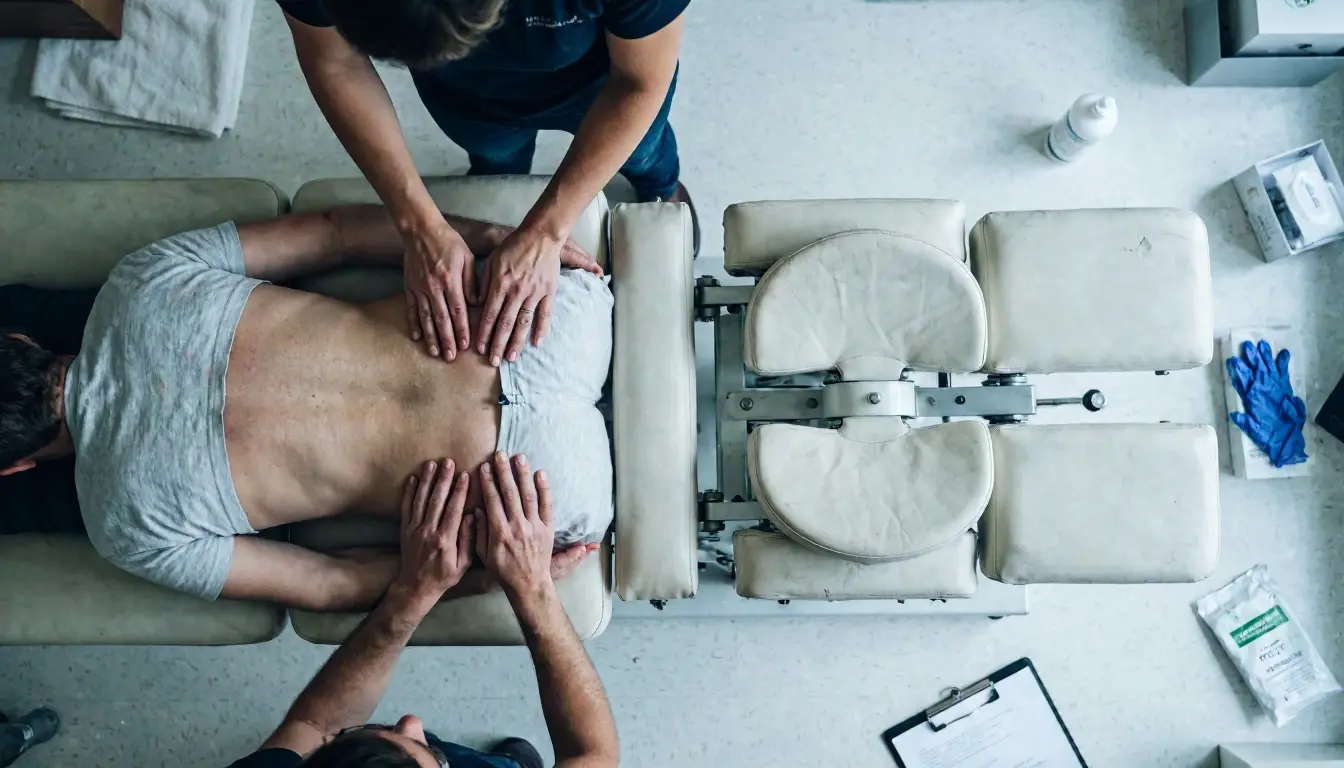
How Flexion Distraction applies to Chiropractor services in Newnan, United States—practical illustration

Flexion Distraction matters because it provides a safe, effective option for patients who cannot tolerate more aggressive chiropractic techniques. Many people with chronic back pain or disc issues avoid treatment due to fear of pain or injury from forceful adjustments. This method allows them to receive care without discomfort, making it accessible to a broader range of patients, including older adults and those with fragile spines. And it addresses the root cause of pain—disc compression—rather than just masking symptoms with medication.

Another key benefit's its ability to complement other treatments. Flexion Distraction is often used alongside physical therapy, exercise. And lifestyle modifications to boost recovery. For example, a patient with sciatica might receive Flexion Distraction to relieve nerve pressure, followed by targeted stretches to prevent recurrence. This complete approach can lead to faster, more sustainable relief compared to relying on a single treatment method. It also reduces the need for invasive procedures like injections or surgery, which carry higher risks and longer recovery times.

When Flexion Distraction Matters Most?

Flexion Distraction is most valuable in specific situations where traditional treatments have failed or are not suitable. Patients with herniated discs, for instance, often experience sharp, radiating pain that worsens with movement. This technique can provide immediate relief by reducing disc pressure, allowing them to resume daily activities with less discomfort. It is also beneficial for individuals with spinal stenosis, a narrowing of the spinal canal that compresses nerves. The gentle stretching helps create more space within the canal, easing symptoms like numbness or weakness in the legs.

The technique is also useful for patients recovering from injuries or surgeries. For example, someone who has undergone a discectomy (partial disc removal) may still experience residual pain or stiffness. Flexion Distraction can help restore mobility and reduce scar tissue formation, speeding up the healing process. And it is a preferred option for patients with conditions like osteoporosis or arthritis, where forceful adjustments could pose risks. By offering a low-force alternative, it ensures that even vulnerable patients can receive safe, effective spinal care.

How to Evaluate Flexion Distraction?

Related Concepts Compared

Flexion Distraction vs. Spinal Decompression

Spinal Decompression uses a computerized table to apply precise traction forces, often for more severe disc issues. While Flexion Distraction combines manual pressure with rhythmic table movements for gentler relief.

Flexion Distraction vs. Diversified Technique

Diversified Technique involves quick, forceful thrusts to adjust the spine, whereas Flexion Distraction uses slow, controlled stretching to decompress discs without high-velocity manipulation.

Expert Note

Flexion Distraction is particularly effective for patients with disc-related pain who cannot tolerate traditional adjustments. The technique’s gentle nature makes it suitable for post-surgical cases or individuals with osteoporosis, where more forceful methods could exacerbate symptoms.

Common Mistakes or Myths About Flexion Distraction

  • Assuming Flexion Distraction is the same as general spinal manipulation—it’s a distinct, low-force technique.
  • Expecting immediate results after one session; most patients need multiple treatments for lasting relief.
  • Using Flexion Distraction for non-disc-related pain, like muscle strains, where it may be less effective.
  • Believing the technique replaces surgery for severe disc herniations; it’s often a conservative first step.

Flexion Distraction in Practice: A Real-World Example

A 50-year-old patient in Newnan, GA, visits a chiropractor after months of lower back pain radiating down their leg. An MRI reveals a herniated disc. The chiropractor recommends Flexion Distraction to decompress the disc and relieve nerve pressure. After six sessions, the patient reports reduced pain and improved mobility, allowing them to return to light exercise and daily activities without discomfort.

Related Services

Related Terms

Herniated Disc

Herniated Disc is a spinal condition where the soft inner gel of a spinal disc leaks through a tear in its tough outer layer. This can press on nearby nerves, causing pain, numbness. Or weakness in the back, arms. Or legs. Herniated discs often occur in the lower back or neck and are sometimes called slipped or ruptured discs.

Spinal Decompression

Spinal Decompression is a non-surgical treatment designed to relieve pressure on the spine and intervertebral discs. This therapy uses controlled traction to gently stretch the spine, creating negative pressure within the discs. The goal is to promote healing, reduce pain. And improve mobility for conditions like herniated discs, sciatica. And degenerative disc disease.

Sciatica

Sciatica is nerve pain that starts in the lower back and travels down one leg, often caused by pressure on the sciatic nerve. Sciatica symptoms include sharp, burning. Or shooting pain, numbness, tingling. Or muscle weakness in the buttock, thigh, calf. Or foot. The pain usually affects only one side of the body and can worsen with sitting, coughing. Or sneezing.

Manual Therapy

Manual Therapy is a hands-on treatment method used by healthcare providers, including chiropractors, to diagnose and treat musculoskeletal conditions. Manual Therapy involves skilled movements such as stretching, pressure. And joint mobilization to improve mobility, reduce pain. And restore function in muscles, joints. And soft tissues without surgery or medication.

Adjustment

Adjustment is a controlled, precise force applied by a chiropractor to a specific joint in the spine or other body part to restore proper movement, reduce pain. And improve function. Adjustments are often accompanied by a popping or cracking sound caused by gas releasing from the joint, which is normal and harmless.

ChiropractorNewnan.com

Have Questions About Flexion Distraction?

Contact ChiropractorNewnan.com for practical guidance on Flexion Distraction and related chiropractor work in Newnan.

+1 770-692-1041