Glossary

What is Intervertebral Disc?

Intervertebral Disc is intervertebral Discs are flexible, cushion-like pads located between the vertebrae of the spine. Each disc acts as a shock absorber, preventing bones from rubbing together during movement. They consist of a tough outer layer called the annulus fibrosus and a soft, gel-like center known as the nucleus pulposus. These discs also help maintain spinal flexibility and proper spacing between vertebrae.

Reviewed by ChiropractorNewnan.comSources reviewed: National Institute of Arthritis and Musculoskeletal and Skin Diseases, American Chiropractic Association

Quick Facts About Intervertebral Disc

Category

Spinal anatomy

Used for

Shock absorption and spinal flexibility

Common confusion

Often mistaken for bone or cartilage

Also called

Spinal disc, Disc (spinal)

Often discussed with

Chiropractic Consultation and Diagnosis, Car Accident Injury Rehabilitation

Key Takeaways About Intervertebral Disc

Understanding Intervertebral Disc
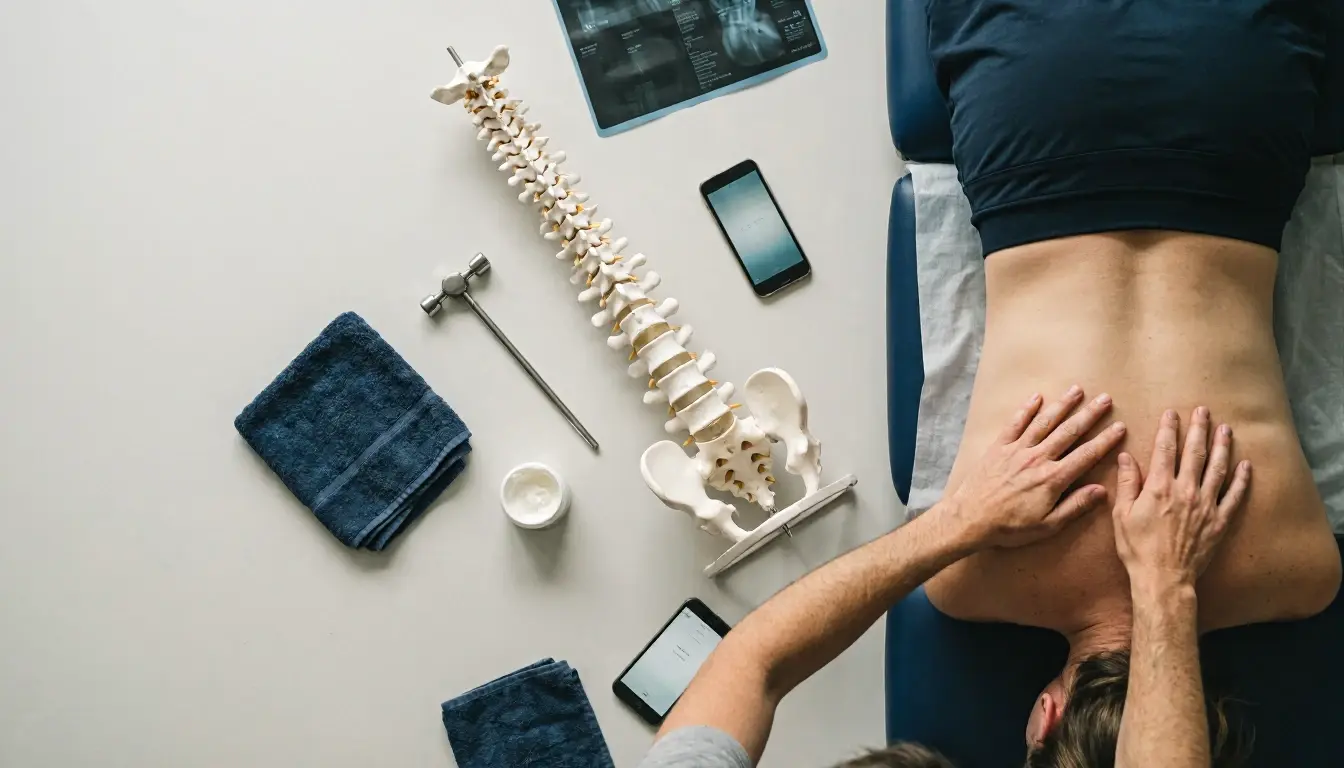
Intervertebral Disc in Chiropractor: Intervertebral Disc is intervertebral Discs are flexible, cushion-like pads located b...

Intervertebral discs are critical components of the spine, acting as natural cushions between each vertebra. These discs make up about one-quarter of the spine’s total length and play a key role in absorbing the forces generated by everyday movements like bending, twisting. Or lifting. Without these discs, vertebrae would grind against each other, leading to damage and severe pain. The design of each disc allows it to distribute pressure evenly, protecting the spine from injury during physical activity.

Related glossary terms: Herniated Disc, Vertebra, Degenerative Disc Disease.

The structure of an intervertebral disc includes two main parts: the annulus fibrosus and the nucleus pulposus. The annulus fibrosus is a strong, fibrous outer ring that provides stability and shape to the disc. Inside this ring is the nucleus pulposus, a soft, gel-like substance that gives the disc its ability to absorb shock. This combination of strength and flexibility allows the disc to handle compression while still allowing the spine to move freely. Over time. But discs can wear down or become damaged due to aging, injury. Or repetitive stress.

How Intervertebral Disc Works?

Intervertebral discs function like hydraulic shock absorbers. When pressure is applied to the spine—such as when walking, running. Or lifting—the nucleus pulposus compresses and distributes the force outward through the annulus fibrosus. This process prevents the vertebrae from bearing the full brunt of the impact. The discs also help maintain the natural curves of the spine, which are essential for balance and proper posture. For example, the discs in the lower back (lumbar spine) are thicker to support the weight of the upper body. While those in the neck (cervical spine) are thinner but more flexible to allow for a wide range of head movements.

As people age, the water content in the nucleus pulposus decreases, making the discs less effective at absorbing shock. This natural degeneration can lead to conditions like degenerative disc disease, where the discs lose height and flexibility. Injuries, such as herniated discs, can also occur when the annulus fibrosus tears, allowing the nucleus pulposus to bulge outward. This bulging can press on nearby nerves, causing pain, numbness. Or weakness in the arms or legs. Understanding how discs work helps explain why maintaining spinal health is so important for overall mobility and comfort.

Why Intervertebral Disc Matters?
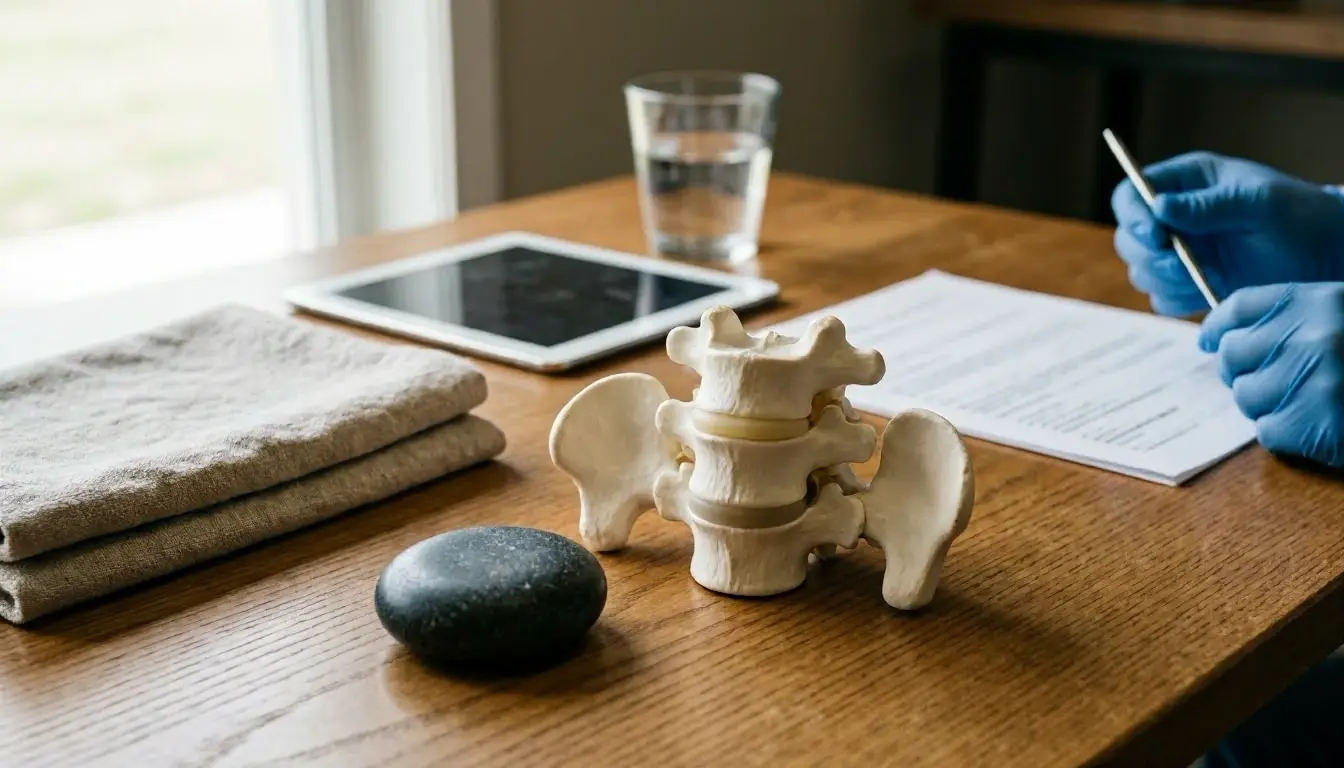
How Intervertebral Disc applies to Chiropractor services in Newnan, United States—practical illustration

Intervertebral discs are essential for maintaining spinal health and overall quality of life. Healthy discs allow people to move freely without pain, whether they’re playing sports, working at a desk. Or performing daily tasks like carrying groceries. When discs are damaged or degenerated, they can cause chronic pain, limit mobility. And even lead to nerve-related issues like sciatica. For example, a herniated disc in the lower back can cause sharp pain that radiates down the leg, making it difficult to walk or stand for long periods. Addressing disc problems early can prevent more serious complications and help people return to their normal activities.

Beyond pain relief, healthy discs also contribute to long-term spinal stability. When discs lose height or flexibility, the vertebrae can shift out of alignment, leading to conditions like spinal stenosis or osteoarthritis. These conditions can cause stiffness, reduced range of motion. And even difficulty breathing in severe cases. By supporting disc health through proper posture, exercise. And professional care, individuals can reduce their risk of developing these issues. Chiropractic care, for instance, often focuses on relieving pressure on discs to restore proper spinal function and alleviate pain.

When Intervertebral Disc Matters Most?

Intervertebral discs become particularly important during activities that involve bending, lifting. Or twisting. For example, workers who lift heavy objects, athletes who engage in high-impact sports. And even office workers who sit for long periods are all at risk of disc-related injuries. Poor posture, such as slouching or hunching over a desk, can also place uneven pressure on discs, leading to wear and tear over time. And sudden accidents like car crashes or falls can cause discs to herniate or rupture, resulting in immediate pain and mobility issues.

Disc problems are also common in older adults due to natural aging. As discs lose water content and elasticity, they become more susceptible to injury and degeneration. This is why conditions like degenerative disc disease are more prevalent in people over 40. But disc issues can affect people of all ages, especially those with physically demanding jobs or lifestyles. Recognizing the signs of disc problems—such as back pain, numbness. Or weakness, can help individuals seek treatment before the condition worsens. For residents of Newnan, GA, understanding disc health is especially relevant for those who work in industries like construction, healthcare. Or transportation, where spinal stress is common.
How to Evaluate Intervertebral Disc?

Related Concepts Compared

Intervertebral Disc vs. Herniated Disc

A herniated disc occurs when the inner gel of the disc leaks out through a tear in the outer layer, often pressing on nerves. Intervertebral discs are the normal, healthy structures that can become herniated.

Intervertebral Disc vs. Vertebra

Vertebrae are the bony segments of the spine. While intervertebral discs are the soft cushions located between each vertebra. Vertebrae protect the spinal cord. While discs absorb shock and enable movement.

Intervertebral Disc vs. Degenerative Disc Disease

Degenerative disc disease refers to the natural wear and tear of intervertebral discs over time, leading to pain and reduced flexibility. Intervertebral discs are the healthy structures that can degenerate.

Expert Note

While discs naturally lose water content with age, lifestyle factors like hydration, exercise. And proper lifting techniques can significantly slow degeneration and reduce injury risk.

Common Mistakes or Myths About Intervertebral Disc

  • Assuming all back pain is caused by disc problems, when it could stem from muscle strain or joint issues.
  • Ignoring early signs of disc degeneration, such as stiffness or mild pain, which can worsen over time.
  • Believing discs can 'slip' out of place, when they actually herniate or bulge due to injury or wear.
  • Overlooking the role of hydration in disc health, as discs rely on water to maintain their shock-absorbing properties.

Intervertebral Disc in Practice: A Real-World Example

A construction worker in Newnan, GA, experiences sharp lower back pain after lifting heavy materials. An MRI reveals a herniated disc pressing on a nerve. Through spinal decompression therapy, the disc is gradually relieved of pressure, reducing pain and restoring mobility over several weeks.

Related Services

Related Terms

Herniated Disc

Herniated Disc is a spinal condition where the soft inner gel of a spinal disc leaks through a tear in its tough outer layer. This can press on nearby nerves, causing pain, numbness. Or weakness in the back, arms. Or legs. Herniated discs often occur in the lower back or neck and are sometimes called slipped or ruptured discs.

Vertebra

Vertebra is one of the 33 individual bones that stack together to form the human spine. Each vertebra has a strong, bony body in front and a ring-like arch in back that protects the spinal cord. Vertebrae support body weight, allow movement. And shield nerves running through the spinal canal.

Degenerative Disc Disease

Degenerative Disc Disease is a condition where the spinal discs, which act as cushions between the vertebrae, wear down over time. This wear can lead to pain, reduced flexibility. And nerve irritation, often due to aging, injury. Or repetitive stress. It's not a disease but a natural process that can cause discomfort and limit movement.

Spinal Decompression

Spinal Decompression is a non-surgical treatment designed to relieve pressure on the spine and intervertebral discs. This therapy uses controlled traction to gently stretch the spine, creating negative pressure within the discs. The goal is to promote healing, reduce pain. And improve mobility for conditions like herniated discs, sciatica. And degenerative disc disease.

Nerve Compression

Nerve Compression is a condition where a nerve is pressed, squeezed. Or pinched by surrounding tissues such as bones, muscles, tendons. Or discs. This pressure disrupts the nerve’s normal function, causing pain, numbness, tingling. Or weakness in the affected area. Nerve Compression often occurs in the spine, wrists. Or elbows and may result from injury, repetitive motion. Or poor posture.

ChiropractorNewnan.com

Have Questions About Intervertebral Disc?

Contact ChiropractorNewnan.com for practical guidance on Intervertebral Disc and related chiropractor work in Newnan.

+1 770-692-1041