Understanding Active Release Technique
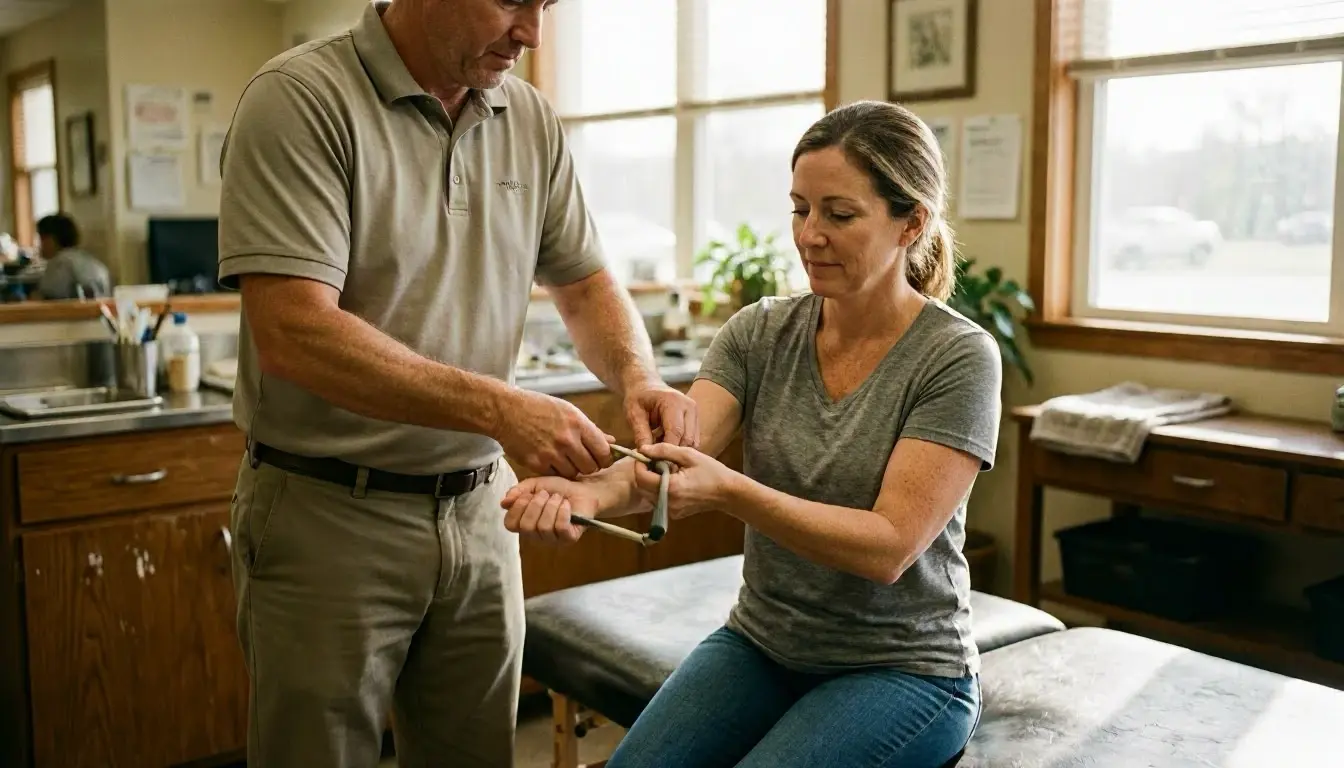
Active Release Technique (ART) is a specialized form of manual therapy designed to address soft-tissue injuries and dysfunctions. Unlike traditional massage or chiropractic adjustments, ART focuses on the relationship between muscles, nerves. And connective tissues. The technique was developed in the 1980s by chiropractor P. Michael Leahy, who observed that many injuries involved scar tissue buildup or adhesions that restricted movement and caused pain. ART combines precise pressure with active patient movement to break down these adhesions, allowing tissues to move freely again.
Related glossary terms: Soft Tissue Therapy, Myofascial Release, Graston Technique.
Soft tissues—such as muscles, tendons, ligaments, fascia. And nerves—can become damaged due to overuse, trauma. Or poor posture. When this happens, the body often responds by forming scar tissue, which can limit flexibility, reduce strength. And compress nerves. For example, a runner with Achilles tendonitis may develop tightness and pain due to repetitive strain. ART targets these problem areas by isolating the affected tissue, applying tension. And guiding the patient through specific motions. This process helps restore normal function and reduces symptoms like pain, stiffness. Or tingling.
How Active Release Technique Works?
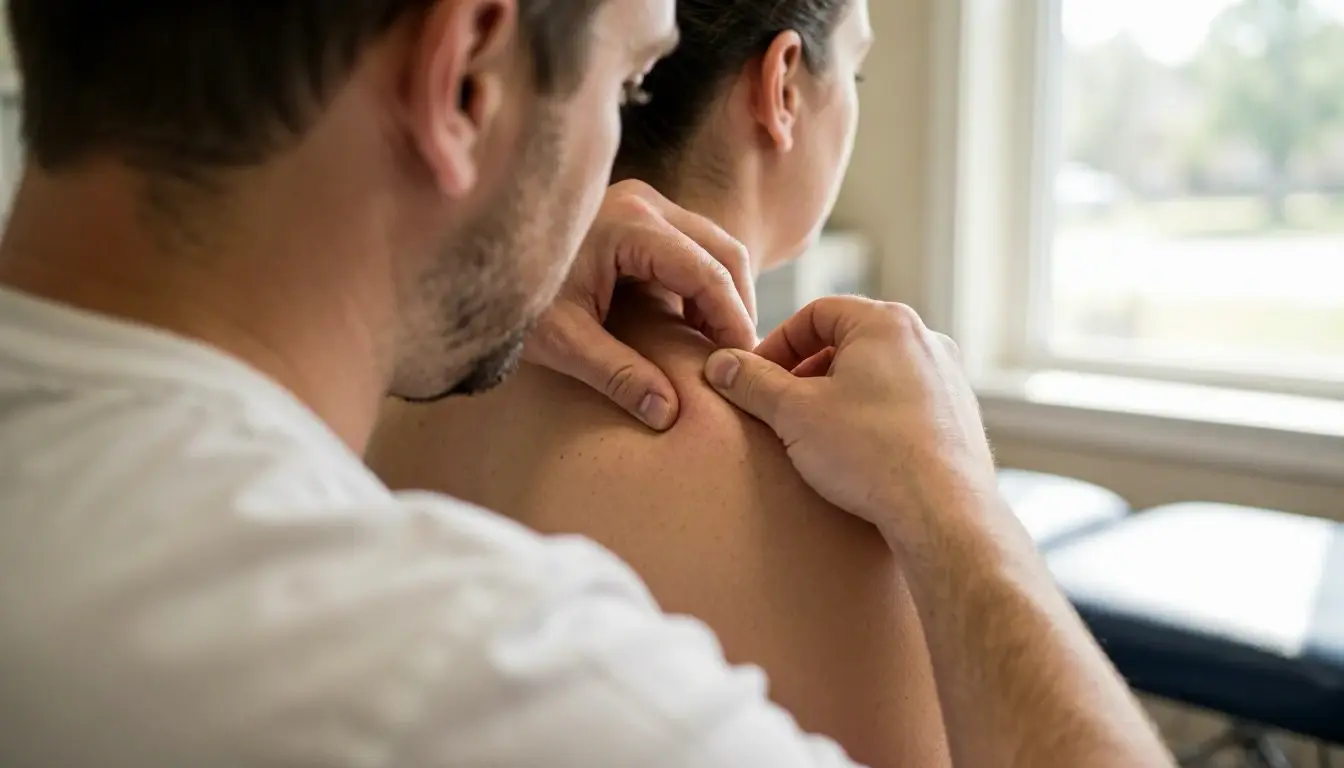
ART follows a structured approach to identify and treat soft-tissue dysfunctions. The process begins with a detailed assessment, where the provider evaluates the patient’s range of motion, strength. And areas of tenderness. Once the problematic tissues are identified, the provider uses their hands to apply precise tension to the affected area while the patient performs a specific movement. This combination of pressure and motion helps break up adhesions and scar tissue, improving blood flow and tissue mobility.
The technique relies on three key principles: tension, movement. And specificity. First, the provider applies tension to the exact location of the adhesion or scar tissue. Next, the patient actively moves the affected body part—such as bending a knee, rotating a shoulder. Or extending a wrist. While the provider maintains pressure. This movement helps separate the adhered tissues, much like loosening a stuck rope. Finally, the treatment is highly specific, targeting only the damaged tissues rather than applying general pressure. For instance, a patient with carpal tunnel syndrome may receive ART to the forearm muscles and median nerve, rather than a generic wrist massage.
Providers must complete rigorous training and certification to perform ART effectively. The certification process includes hands-on instruction, written exams. And practical evaluations to ensure providers can accurately assess and treat soft-tissue injuries. This training distinguishes ART from other manual therapies, as it requires both clinical knowledge and precise manual skills.
Why Active Release Technique Matters?
ART offers a non-invasive solution for soft-tissue injuries that often resist traditional treatments like rest, ice. Or medication. Many patients turn to ART after experiencing chronic pain or limited mobility that hasn’t improved with other therapies. For example, someone with plantar fasciitis may find relief after ART sessions targeting the calf muscles and foot fascia, which are often overlooked in standard treatments. By addressing the root cause of the dysfunction - such as scar tissue or nerve compression - ART can provide long-term relief rather than temporary symptom management.
The technique is also valuable for preventing future injuries. Athletes, office workers. And laborers who perform repetitive motions are prone to overuse injuries, such as tennis elbow or rotator cuff strains. ART helps maintain tissue health by breaking up adhesions before they cause significant problems. For instance, a baseball pitcher might use ART to keep shoulder muscles flexible and reduce the risk of tears. Similarly, a desk worker with neck tension may benefit from ART to prevent chronic headaches or nerve compression. By improving tissue mobility and reducing inflammation, ART supports overall musculoskeletal health.
When Active Release Technique Matters Most?
ART is particularly useful in situations where soft-tissue injuries cause persistent pain or limit daily activities. Common scenarios include repetitive strain injuries, sports injuries, post-surgical recovery. And chronic conditions like carpal tunnel syndrome or sciatica. For example, a construction worker with lower back pain due to heavy lifting may find relief with ART, as the technique can target tight muscles and compressed nerves in the lumbar spine. Similarly, a runner with it band syndrome might use ART to release tension in the hip and thigh muscles, allowing them to return to training without pain.
ART is also beneficial for patients who have not responded to other treatments, such as physical therapy, medication. Or rest. Because it directly addresses scar tissue and adhesions, ART can succeed where other methods fall short. For instance, someone with chronic shoulder pain from a past injury may have tried stretching or cortisone injections without success. ART can help by breaking up the adhesions that restrict movement and compress nerves, providing relief that other treatments could not. And ART is often used alongside other therapies, such as chiropractic adjustments or strengthening exercises, to boost overall recovery and prevent recurrence.
Timing is important when considering ART. Early intervention can prevent minor issues from becoming chronic problems. For example, an office worker who notices wrist pain after typing for long hours may benefit from ART before the condition worsens into carpal tunnel syndrome. Similarly, an athlete recovering from a sprained ankle might use ART to reduce scar tissue formation and regain full mobility faster. By addressing soft-tissue dysfunctions promptly, ART helps patients avoid prolonged pain and disability.